In the narrow streets of Naples and along the Amalfi Coast, tuffoli emerge from artisan kitchens like edible architecture: thick, ridged tubes of pasta that cradle sauce with the generosity of a grandmother's embrace. These substantial cylinders, sometimes as wide as a euro coin, represent the southern Italian philosophy that pasta should never merely carry sauce but should become one with it, creating something greater than the sum of its parts. Whether you're planning an elegant dinner or curating an Italian gourmet gift, understanding this distinctive pasta shape opens doors to culinary traditions that have delighted families for generations.
The Heritage and History Behind Tuffoli
Tuffoli belongs to the grand family of tube-shaped pastas that define southern Italian cuisine, particularly in Campania and Calabria. The linguistic roots of the word trace back to regional dialects, where "tuffolo" originally referred to tubular objects, eventually lending its name to this distinctive pasta shape. In some regions, you might hear these tubes called "paccheri giganti" or simply "tufoli" without the double "f," though all refer to the same glorious form.
The history of tuffoli intertwines with the evolution of dried pasta production in Southern Italy during the 18th and 19th centuries. Artisan pasta makers in towns like Gragnano developed these larger formats specifically to pair with the region's abundant seafood, rich tomato sauces, and vegetable preparations. The shape wasn't arbitrary: the wide opening and substantial walls could hold chunks of octopus, mussels, or vegetables without breaking during cooking or plating.
Regional Variations and Names
Throughout Italy's diverse regions, tuffoli appears under different names and slight variations. In Naples, they're often called "maniche" (sleeves), while in some Calabrian kitchens, they're known as "canneroni." The comprehensive catalogue of Italian pasta types reveals how regional linguistic traditions shaped these naming conventions.
What distinguishes tuffoli from similar shapes like rigatoni or paccheri? Size matters dramatically. Tuffoli measures approximately 4-5 centimeters in length and 2-3 centimeters in diameter, making it substantially larger than rigatoni but similar in proportion to paccheri. The ridge pattern (rigatura) also varies: authentic tuffoli typically features subtle ridges that help sauce cling without overwhelming the pasta's smooth elegance.
Understanding Tuffoli's Distinctive Characteristics
Walking through a specialty pasta shop, you'll immediately recognize tuffoli by its commanding presence. These aren't delicate strands or tiny shapes but bold cylinders that announce their intention to star in hearty, substantial dishes.
The physical characteristics define how tuffoli performs in the kitchen:
-
Thick walls that maintain al dente texture even when baked
-
Large diameter perfect for stuffing with ricotta, meat, or vegetables
-
Smooth or lightly ridged exterior that balances sauce adhesion with elegant appearance
-
Generous length that creates visual impact on the plate
-
Robust structure that withstands vigorous stirring and layering
According to detailed pasta shape documentation, tuffoli requires approximately 12-15 minutes of cooking time in well-salted boiling water. The extra thickness means you must taste-test frequently during the final minutes, looking for that perfect resistance at the center that Italians call "al dente."
The Science of Sauce Capture
Tuffoli's engineering brilliance lies in its capacity ratio. The hollow center creates a reservoir that literally fills with sauce, ensuring every bite delivers maximum flavor. When you cut into a properly sauced tuffoli, sauce should flow from the interior, creating a secondary coating that enhances the eating experience.
This design particularly shines with chunky preparations. Imagine a seafood sauce with tender calamari rings: smaller pieces slide inside the tubes, while the exterior catches larger morsels of tomato and herbs. The result is textural diversity in every forkful.
| Characteristic |
Tuffoli |
Rigatoni |
Paccheri |
| Length |
4-5 cm |
3-4 cm |
5-6 cm |
| Diameter |
2-3 cm |
1-1.5 cm |
2.5-3 cm |
| Wall Thickness |
Thick |
Medium |
Thick |
| Best Use |
Baked, stuffed |
Everyday sauced |
Seafood, baked |
| Cooking Time |
12-15 min |
10-12 min |
13-16 min |
Classic Recipes Featuring Tuffoli
In traditional southern Italian kitchens, tuffoli appears in recipes that celebrate both land and sea. These aren't quick weeknight dinners but Sunday preparations that bring families together around the table for hours of conversation and connection.
Tuffoli al Ragù Napoletano
The quintessential Neapolitan meat sauce transforms tuffoli into comfort food elevated to art. This isn't the quick meat sauce Americans might know but a slow-cooked marvel that simmers for four to six hours, developing layers of flavor that coat each tube with velvety richness.
The traditional preparation starts with large cuts of beef, pork, and sometimes veal, browned in olive oil with onions and garlic. San Marzano tomatoes, wine, and aromatic herbs join the pot, then everything cooks low and slow until the meat surrenders to tenderness and the sauce thickens to perfection. The pasta cooks separately, then gets tossed with just enough sauce to coat generously. The meat serves alongside or as a second course.
Tuffoli Ripieni (Stuffed Tuffoli)
When tuffoli becomes a vehicle for creative fillings, magic happens. The stuffed versions typically get arranged in baking dishes, covered with sauce and cheese, then baked until bubbling and golden. Think of it as a more sophisticated approach to stuffed shells, with Italian precision replacing American abundance.
Popular filling combinations include:
- Ricotta, spinach, and Parmigiano Reggiano
- Ground meat with herbs and pine nuts
- Seafood mousse with mascarpone
- Roasted vegetables with goat cheese
- Wild mushrooms with truffle paste
After stuffing, the tubes get nestled into tomato sauce, perhaps with béchamel drizzled between layers. A final shower of grated cheese, then into a 375°F oven for 25-30 minutes. The result? Golden-topped comfort that earns applause when brought to the table.
Modern Interpretations and Creative Applications
Contemporary Italian chefs have embraced tuffoli as a canvas for innovation while respecting traditional foundations. The professional culinary applications demonstrate how this humble pasta shape elevates to fine dining status with thoughtful preparation and premium ingredients.
One trending approach involves standing the tuffoli vertically in individual baking dishes, stuffing each tube differently, then surrounding them with complementary sauces. The visual presentation alone makes guests reach for their cameras before their forks. Some chefs pipe fillings using pastry bags for precision and consistency, treating the pasta tubes as you might cannoli shells in the savory realm.
Tuffoli for Special Occasions
The substantial nature of tuffoli makes it ideal for celebratory meals and gatherings. When you're planning a dinner that needs to impress without requiring last-minute kitchen acrobatics, tuffoli-based dishes deliver. Most preparations can be assembled hours ahead, even the day before, then baked just before serving.
For those assembling Italian gourmet gift collections, including artisan tuffoli with complementary sauces and cheeses creates a complete cooking experience. Recipients discover not just ingredients but the story and tradition behind this magnificent pasta shape.
The versatility extends to dietary preferences too. Tuffoli works beautifully in vegetarian preparations, showcasing seasonal vegetables and fresh cheeses. Vegan versions might feature cashew-based ricotta or vegetable purées as fillings, proving that tradition can adapt without losing its soul.
Sourcing Quality Tuffoli and Pairing Suggestions
Not all tuffoli delivers equal results. The difference between industrial and artisan production becomes immediately apparent in both cooking performance and final taste. Look for these quality indicators:
- Bronze-die extrusion (creates rough texture for better sauce adhesion)
- Slow drying process (preserves wheat flavor and nutritional value)
- Durum wheat semolina as the primary ingredient
- Origin designation (Gragnano, Amalfi Coast, or other recognized pasta regions)
- Visible texture and color variations (signs of artisanal production)
The comprehensive overview of pasta shapes emphasizes how production methods affect cooking characteristics. Artisan tuffoli made with traditional techniques holds its shape better during cooking and maintains that crucial al dente texture even when baked.
Sauce Pairing Philosophy
While tuffoli handles robust sauces magnificently, it also shines with simpler preparations. A basic pomodoro e basilico (tomato and basil sauce) allows the pasta's wheat flavor to emerge, while the tubes capture enough sauce to deliver satisfaction in every bite.
Ideal sauce matches for tuffoli include:
- Rich meat ragùs (Neapolitan, Bolognese, wild boar)
- Seafood preparations (mixed shellfish, squid ink, lobster)
- Creamy vegetable sauces (mushroom, asparagus, pumpkin)
- Cheese-based sauces (four-cheese, gorgonzola cream)
- Baked preparations with béchamel
For wine pairing, consider the sauce rather than the pasta shape itself. A hearty meat ragù calls for medium to full-bodied reds from Southern Italy: Aglianico, Primitivo, or Nero d'Avola. Seafood versions pair beautifully with crisp whites like Falanghina or Greco di Tufo from Campania, creating regional harmony on the plate.
Cooking Techniques for Perfect Results
Mastering tuffoli requires understanding a few key techniques that separate mediocre results from restaurant-quality outcomes. The cooking water deserves particular attention: use at least six quarts of water per pound of pasta, and salt it generously. Italians say it should taste like the sea.
When the water reaches a rolling boil, add the tuffoli and stir immediately to prevent sticking. Unlike smaller shapes, tuffoli benefits from occasional gentle stirring throughout cooking, ensuring even heat distribution. The large size means exterior surfaces can overcook while interiors remain underdone if you're not careful.
The Finishing Touch
Professional chefs rarely drain pasta completely. Instead, they reserve a cup of starchy pasta cooking water before draining, then use it to adjust sauce consistency and help it cling to the pasta. For tuffoli, this technique proves essential: the starch helps sauce adhere to the smooth surfaces while thinning overly thick preparations that might not penetrate the tubes.
The finishing happens in the pan, not the bowl. Transfer drained tuffoli to the sauce pan over medium heat, add a splash of pasta water, and toss vigorously for 1-2 minutes. This creates an emulsion that coats each piece beautifully. For baked versions, slightly undercook the pasta (about 2 minutes less than package directions) since it continues cooking in the oven.
Pro tips for exceptional tuffoli:
- Use a slotted spoon to transfer cooked pasta directly to sauce (brings some cooking water along)
- For stuffed versions, cook pasta 3-4 minutes less than al dente before filling
- Let baked tuffoli rest 10 minutes before serving for easier plating
- Drizzle finest extra virgin olive oil over finished dish for aromatic finish
- Garnish with fresh herbs only at the last moment to preserve vibrant color
Tuffoli in Italian Gift-Giving Culture
In Italy, food gifts carry profound meaning. They're not generic gestures but carefully chosen expressions of affection, respect, and shared values. Premium pasta like artisan tuffoli, paired with exceptional sauces and complementary ingredients, communicates thoughtfulness and appreciation for quality.
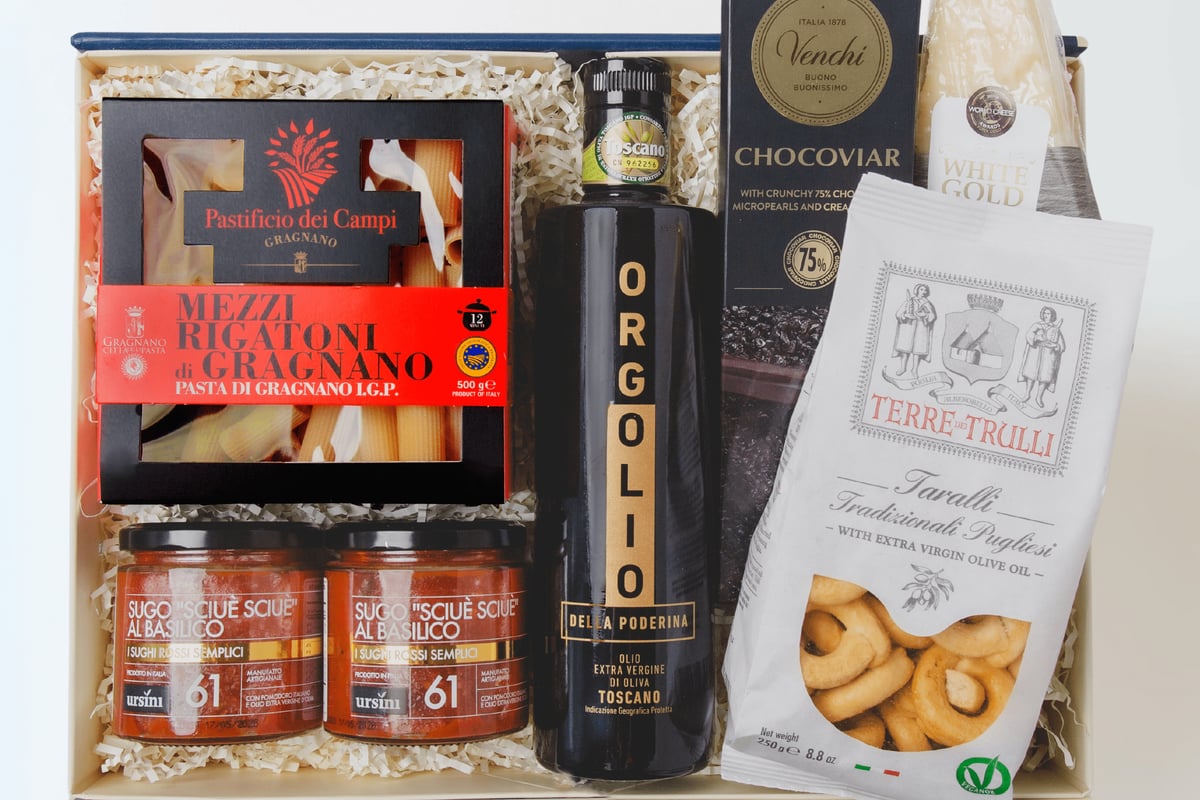
When assembling a pasta-centered gift, consider the complete experience. Include not just the tuffoli but also a premium tomato sauce from San Marzano, aged Parmigiano Reggiano, and perhaps extra virgin olive oil from a single estate. This transforms individual products into a cohesive culinary journey.
For those seeking exceptional Italian artisanal products to complement fresh or dried pasta gifts, the key lies in curation. Each element should tell part of Italy's story: the volcanic soil that nourishes San Marzano tomatoes, the mountain pastures where Parmigiano Reggiano cows graze, the centuries-old olive groves of Puglia.
The Cultural Significance of Tube Pastas
Understanding tuffoli means understanding southern Italian food culture more broadly. These aren't efficiency-driven shapes designed for quick meals but deliberate creations meant to anchor family gatherings and celebrations. The time invested in preparing tuffoli-based dishes reflects values around hospitality, generosity, and the belief that sharing excellent food strengthens human bonds.
In traditional households, Sunday lunch featuring tuffoli might occupy the entire morning. Grandmothers rise early to start ragù simmering, daughters arrive to help with stuffing and assembly, and by noon, multiple generations gather around tables groaning with food. The pasta serves as centerpiece and conversation catalyst, with debates about sauce consistency and cooking time adding warmth to the meal.
This cultural context explains why authentic Italian food products resonate so powerfully as gifts. They're not mere ingredients but vehicles for tradition, memory, and connection. When you present someone with artisan tuffoli and suggest they prepare a family recipe, you're inviting them into something larger than dinner.
Preserving Artisanal Traditions
The production of quality tuffoli supports small pasta makers who maintain traditional methods despite economic pressures to industrialize. These artisans source local durum wheat, use bronze dies that create ideal texture, and dry pasta slowly at low temperatures, preserving nutritional value and developing complex flavors.
Supporting these producers through thoughtful purchasing decisions helps preserve cultural heritage. When featured in curated Italian gourmet gifts, artisan pasta becomes an ambassador for Italian food culture, introducing recipients to quality standards and production philosophies that have sustained communities for generations.
Practical Storage and Shelf Life Considerations
Dried tuffoli, when stored properly, maintains quality for up to two years. Keep it in a cool, dark place in its original packaging or transfer to airtight containers. Glass jars work beautifully, allowing you to appreciate the pasta's form while protecting it from humidity and pests.
Fresh tuffoli, increasingly available from specialty producers, requires refrigeration and should be used within 2-3 days of purchase. Some artisan makers freeze fresh pasta successfully, extending shelf life to several months without significant quality loss. Follow package instructions carefully, as fresh pasta's higher moisture content demands different handling than dried versions.
For gifts featuring pasta, consider presentation carefully. Dried tuffoli in clear containers showcases the shape beautifully while protecting the product. Pair with ingredients that share similar shelf stability: jarred sauces, vacuum-sealed cheeses, and sealed olive oils create cohesive gifts that recipients can store until the perfect occasion arises.
Tuffoli represents southern Italian culinary philosophy at its finest: generous proportions, robust flavors, and the understanding that great food creates community. Whether you're preparing a celebratory meal or selecting meaningful gifts, this distinctive pasta shape carries tradition and quality in every tube. Discover how Tasty Ribbon brings authentic Italian artisanal products directly to your table, offering curated selections that honor Italy's food heritage while creating memorable gifting experiences that connect recipients to the heart of Italian culinary culture.