The first time you hold a handful of rigatoni mancini, you notice something different. The pasta feels substantial, almost velvety, with a pale wheat-straw color that speaks of sun-drenched fields rather than industrial processing. This isn't just another boxed pasta on a supermarket shelf. These thick tubes of ridged perfection represent a family's commitment to growing their own grain, milling it on their estate, and transforming it into one of Italy's most revered artisanal pastas. In the rolling hills of Le Marche, the Mancini family has been quietly revolutionizing what pasta can be, turning each rigatone into a testament of terroir, tradition, and the revolutionary idea that the best pasta begins not in a factory, but in a field.
The Mancini Family Legacy: From Wheat Fields to World Tables
The story of rigatoni mancini begins in 1938, when the Mancini family started farming wheat in the province of Fermo, in Italy's central Marche region. For decades, they sold their prized grain to other pasta makers, watching their harvest travel elsewhere for transformation. That changed in 1989, when the family made a bold decision: they would become pastai themselves, controlling every step from soil to sauce.
Pastificio Agricolo Mancini remains one of the few truly integrated pasta producers in Italy. The family cultivates over 370 hectares of durum wheat on their own land, using sustainable farming practices that respect the delicate ecosystem of the Marche countryside. This vertical integration, rare in modern pasta production, means complete traceability. When you cook rigatoni mancini, you're eating wheat that grew within sight of the mill that ground it and the machines that shaped it.
The Single-Estate Difference
What makes this approach revolutionary? Most commercial pasta blends wheat from multiple sources, sometimes crossing continents. The Mancini family's commitment to single-estate production creates a pasta with distinctive character. Their wheat absorbs the mineral profile of Marche soil, the rhythm of Adriatic weather patterns, and the expertise of farmers who have worked this land for generations.
The field-to-table traceability at Pastificio Mancini sets industry standards. Every batch can be traced back to the specific fields where its wheat grew, creating unprecedented transparency in an industry often criticized for opaque sourcing.
Why Rigatoni Mancini Tastes Different: The Science of Quality
Walk into any serious Italian kitchen, and you'll find cooks who swear by rigatoni mancini. But what creates that distinctive taste and texture that has chefs and home cooks alike singing its praises?
The answer lies in three critical production choices that honor traditional methods while incorporating modern precision.
Bronze Die Extrusion
First, the pasta is extruded through bronze dies rather than the Teflon-coated ones used in industrial production. Bronze creates a rough, porous surface that grips sauce beautifully. When you drain a pot of rigatoni mancini, you'll see how sauce clings to each tube rather than sliding off into a puddle at the bottom of your bowl. This textured surface also creates a more satisfying bite, with just the right amount of resistance between your teeth.
Slow Drying Process
Second, the drying process follows artisanal standards championed by Slow Food. While commercial pasta dries at high temperatures (sometimes exceeding 90°C) for rapid production, rigatoni mancini dries slowly at temperatures below 38°C. This gentle process takes days instead of hours, but it preserves the wheat's nutritional value, natural color, and complex flavor compounds that high heat would destroy.
The result? Pasta that tastes genuinely of wheat, with nutty undertones and a subtle sweetness that enhances rather than competes with your sauce.
Premium Wheat Varieties
Third, the Mancini family selectively cultivates heritage and modern wheat varieties chosen for flavor and protein content rather than just yield. Their durum wheat typically contains higher protein levels than commodity wheat, which translates to better structure, improved cooking performance, and superior nutritional value.
| Quality Factor |
Rigatoni Mancini |
Commercial Pasta |
| Extrusion Method |
Bronze dies |
Teflon-coated dies |
| Drying Temperature |
Below 38°C |
70-90°C+ |
| Drying Time |
48-72 hours |
6-12 hours |
| Wheat Source |
Single estate |
Blended sources |
| Surface Texture |
Rough, porous |
Smooth, glossy |
Cooking Rigatoni Mancini to Perfection
The beauty of artisanal pasta like rigatoni mancini lies not just in its creation but in how it transforms during cooking. Understanding how to handle this premium pasta ensures you honor the care that went into making it.
Cooking Guidelines:
- Use abundant salted water (at least 4 liters per 500g of pasta)
- Salt generously (the water should taste like the sea)
- Do not add oil to the cooking water
- Stir gently within the first two minutes to prevent sticking
- Expect cooking times of 12-14 minutes for al dente texture
- Reserve at least one cup of pasta water before draining
- Never rinse the cooked pasta
The Al Dente Standard
According to nutritional data from USDA FoodData Central, properly cooked pasta retains more of its resistant starch and has a lower glycemic impact than overcooked pasta. With rigatoni mancini, al dente isn't just a texture preference but a way to maximize both flavor and nutritional benefits. The pasta should offer gentle resistance when bitten, with a tiny white dot visible in the center of a broken tube.
The thick walls of rigatoni shapes require slightly longer cooking than thinner formats, but the reward is a pasta that maintains its structure even when tossed with robust sauces or held briefly before serving.
Perfect Pairings: Sauces That Complement Rigatoni Mancini
The tubular shape and ridged exterior of rigatoni mancini make it exceptionally versatile. The hollow center and substantial walls can handle both delicate and hearty preparations, though this format truly shines with chunky, textured sauces that nestle inside the tubes and cling to the ridges.
Classic Roman Preparations
Rigatoni alla Carbonara transforms when made with premium pasta. The rough surface holds the egg-and-cheese emulsion beautifully, while the tube's interior captures bits of guanciale. Each bite delivers the perfect ratio of sauce to pasta.
Rigatoni all'Amatriciana showcases the pasta's ability to stand up to bold tomato sauce and crispy pork. The tubes trap pieces of guanciale and pools of sauce, creating explosive flavor in every forkful.
Hearty Meat Ragùs
The substantial nature of rigatoni mancini makes it ideal for slow-cooked meat sauces:
-
Ragù alla Bolognese with its rich, long-simmered meat sauce
-
Osso buco sauce incorporating the braising liquid and gremolata
-
Wild boar ragù popular in Tuscan and Umbrian kitchens
-
Lamb and rosemary sauce that celebrates pastoral Italian cooking
Vegetable-Forward Options
Not every sauce needs meat to complement rigatoni mancini's hearty character:
-
Eggplant and ricotta with fresh tomato and basil
-
Mushroom and truffle cream that pools inside each tube
-
Roasted bell pepper and almond pesto for a Sicilian twist
-
Broccoli rabe with garlic and chili for a classic Pugliese combination
-
Artichoke and lemon cream brightened with fresh herbs
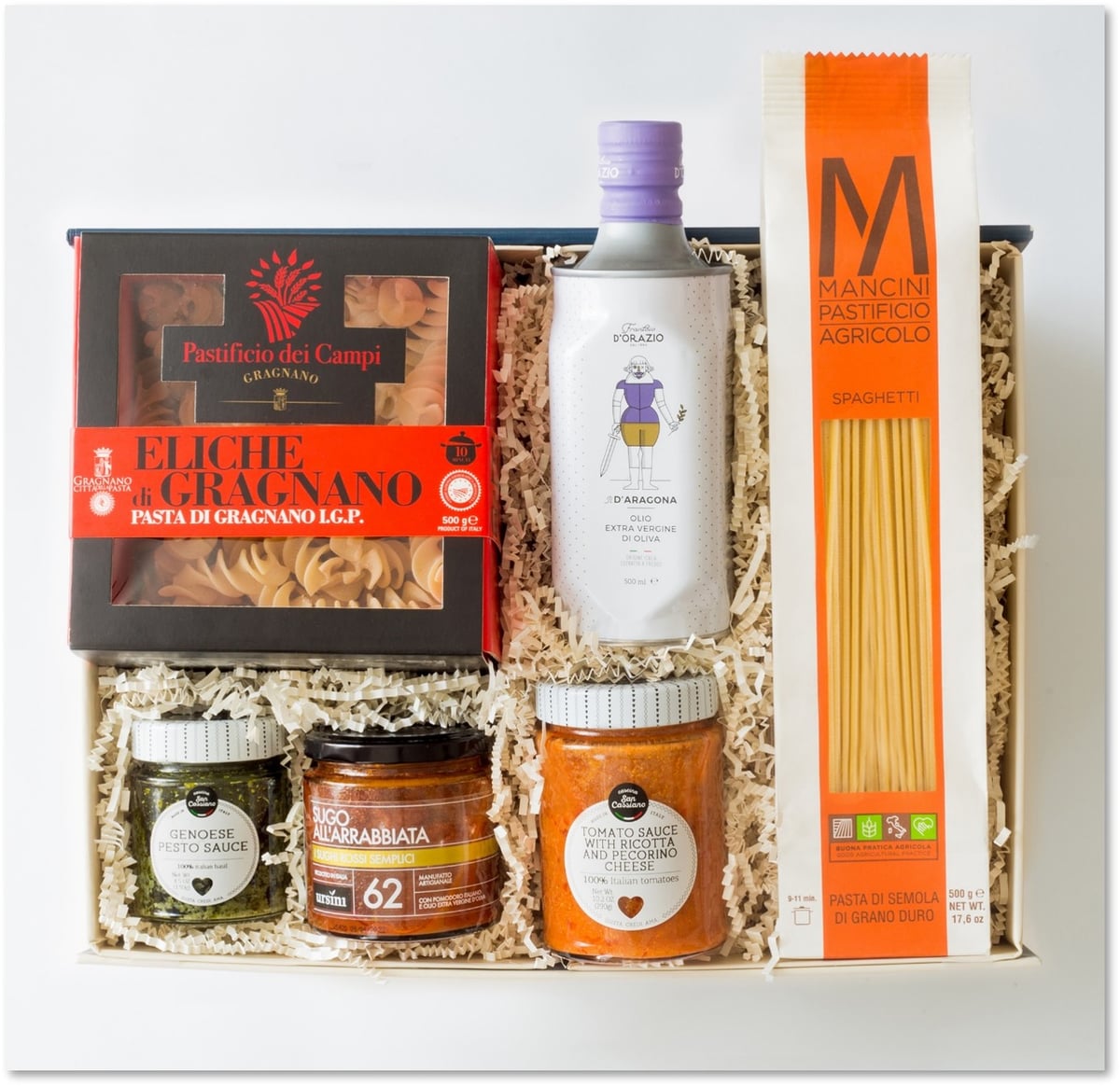
For home cooks seeking to explore authentic pasta pairings, the Pasta 1-0-1 collection offers an excellent starting point with thoughtfully curated sauces designed to complement artisanal pasta shapes.
The Marche Tradition: Regional Context and Pasta Culture
Understanding rigatoni mancini requires appreciating its regional roots. Le Marche, nestled between the Apennine Mountains and the Adriatic Sea, has long been a breadbasket for central Italy. This fertile region produces exceptional wheat, making it a natural home for pasta production.
La Cucina Italiana's feature on Pastificio Agricolo Mancini highlights how the family's approach reflects broader Marchigiano values: humility, craftsmanship, and deep respect for agricultural traditions. In a region less celebrated than Tuscany or Emilia-Romagna, the Mancini family has quietly become ambassadors for Marche excellence.
Beyond Industrial Food Systems
The Mancini philosophy challenges the industrialization of Italian food culture. While global pasta giants prioritize efficiency and cost reduction, this small family operation proves that alternative models can thrive. Their success demonstrates growing consumer appreciation for transparency, quality, and authentic production methods.
Food & Wine Italia's profile of the pastificio emphasizes how the family balances tradition with innovation, using modern agricultural techniques while preserving time-honored pasta-making wisdom.
Nutritional Profile: More Than Just Delicious
Premium pasta like rigatoni mancini offers nutritional advantages beyond conventional varieties. The slow drying process preserves heat-sensitive nutrients, while higher protein content from quality wheat provides better satiation and amino acid profiles.
Typical Nutritional Values (per 100g dry pasta):
| Nutrient |
Amount |
| Calories |
350-360 kcal |
| Protein |
13-15g |
| Carbohydrates |
70-72g |
| Fiber |
3-4g |
| Fat |
1.5-2g |
| Iron |
3-4mg |
The whole wheat germ retained through gentle processing contributes B vitamins, minerals, and beneficial plant compounds often destroyed in high-temperature industrial methods. While rigatoni mancini is not a whole wheat pasta, its careful production maintains more of wheat's natural nutritional complexity.
Storing and Handling: Preserving Quality at Home
Artisanal pasta deserves proper storage to maintain its exceptional qualities. Unlike industrial pasta with extended shelf life from extreme drying, rigatoni mancini retains more moisture and requires thoughtful handling.
Storage Best Practices:
- Keep pasta in its original packaging or transfer to airtight containers
- Store in a cool, dry place away from direct sunlight
- Use within 18-24 months of production for optimal flavor
- Check for any signs of moisture or unusual odors before cooking
- Once opened, consume within 3-4 months for best results
The slightly higher moisture content in artisanal pasta contributes to its superior texture but makes it more sensitive to environmental conditions than shelf-stable commercial varieties.
The Global Recognition of Mancini Excellence
The Mancini family's dedication hasn't gone unnoticed. Their pasta appears on menus at celebrated restaurants worldwide, from New York to Tokyo. Chefs prize rigatoni mancini for its reliability, distinctive character, and ability to elevate simple preparations into memorable dishes.
According to recent reporting from La Provincia di Fermo, the company has expanded production capacity while maintaining quality standards, now exporting to over 50 countries. This growth reflects rising global appreciation for authentic Italian artisanal products.
The family's international trademark registrations, documented in records like the Canadian Intellectual Property Office filing, demonstrate their commitment to protecting the Mancini name and ensuring consumers receive genuine products.
Why Rigatoni Mancini Makes the Perfect Gift
In Italian culture, food gifts carry profound meaning. They express care, share pleasure, and connect giver and receiver through sensory experience. Rigatoni mancini, with its compelling backstory and exceptional quality, transforms a simple pasta dinner into an experience worth celebrating.
For those seeking to share authentic Italian excellence, artisanal pasta offers several advantages:
Universal Appeal: Unlike regional specialties that might challenge unfamiliar palates, exceptional pasta pleases nearly everyone. Even those new to Italian cooking can appreciate the difference quality makes.
Educational Value: Giving rigatoni mancini introduces recipients to the world of artisanal production, potentially transforming how they think about everyday ingredients.
Versatility: Premium pasta pairs with countless preparations, giving recipients freedom to create their perfect meal rather than prescribing a single use.
Shelf Stability: Unlike perishable gourmet items, dried pasta travels well and keeps for months, making it practical for shipping or advance purchase.
Those interested in exploring Italian artisanal products as gifts will find that premium pasta anchors beautifully curated collections, especially when paired with complementary sauces, oils, and cheeses.
Cooking with Intention: The Ritual of Pasta
Making pasta transcends mere cooking. It becomes ritual, meditation, an act of care for yourself and those you feed. With rigatoni mancini, this ritual deepens because you're working with an ingredient crafted with equal intention.
The process invites mindfulness: the water coming to a rolling boil, salt dissolving like snow in the pot, the satisfying cascade as dried pasta meets bubbling water. You stir gently, watching tubes tumble and separate. The kitchen fills with the honest scent of wheat, simple and comforting.
As pasta cooks, you prepare sauce, perhaps warming tomatoes picked at peak ripeness, or creating a simple aglio e olio with nothing but garlic, olive oil, and chili. The movements are ancient, repeated in Italian kitchens for generations. When pasta reaches that perfect al dente state, you drain it quickly, reserving cloudy pasta water to bind your sauce.
The Economics of Quality: Understanding Artisanal Pricing
Rigatoni mancini costs significantly more than supermarket pasta. A 500g package might run three to five times the price of commercial brands. For some, this seems excessive for "just pasta." But understanding what creates this price reveals the true value proposition.
Cost Factors:
-
Lower yields: Estate farming produces less wheat per hectare than industrial monoculture
-
Labor intensity: Slow drying requires more time, space, and energy
-
Small scale: Limited production volume prevents economies of scale
-
Quality inputs: Premium seed stock, sustainable farming, careful milling add costs
-
Fair wages: Family operations and local employees receive living wages
When you purchase rigatoni mancini, you're supporting a model that prioritizes quality, sustainability, and community over maximum profit extraction. You're voting with your wallet for agricultural systems that regenerate rather than deplete.
For many, this represents excellent value. The pasta's superior cooking properties mean less waste from overcooked, mushy results. Its distinctive flavor reduces the need for expensive sauce ingredients. And the eating experience delivers satisfaction that cheap pasta simply cannot match.
Building Your Italian Pantry Around Mancini Pasta
Rigatoni mancini serves as an excellent foundation for a thoughtfully curated Italian pantry. Surrounding it with complementary ingredients creates endless meal possibilities while maintaining quality consistency across your cooking.
Essential Companions:
- Extra virgin olive oil from a single estate or small producer
- San Marzano DOP tomatoes for authentic sauce
- Aged Parmigiano Reggiano or Pecorino Romano
- Quality canned tuna or anchovies for quick pasta preparations
- Dried porcini mushrooms for depth in vegetarian sauces
- Calabrian chili paste for controlled heat
For those building corporate gift sets or personal collections, combining rigatoni mancini with carefully selected accompaniments creates thoughtful presentations that demonstrate genuine appreciation for quality and authenticity.
Seasonal Pasta: Adapting Rigatoni Through the Year
While dried pasta remains constant, the sauces you pair with rigatoni mancini should reflect seasonal availability and changing weather. This approach honors Italian cooking philosophy: let the calendar guide your menu.
Spring
Light sauces celebrate new growth: fava beans and pecorino, asparagus with lemon and cream, fresh pea pesto with mint. The pasta's substantial structure prevents delicate spring vegetables from overwhelming the dish.
Summer
Bright, barely-cooked sauces maximize fresh produce: cherry tomatoes burst in olive oil, raw tomato and basil, zucchini ribbons with ricotta. Serve these preparations slightly cooler than piping hot to refresh summer appetites.
Autumn
Richer preparations mirror shortening days: butternut squash and sage cream, mushroom medleys, sausage and radicchio. Rigatoni mancini's hearty character complements autumn's abundance.
Winter
Robust, long-simmered sauces provide comfort: Sunday gravy with multiple meats, braised short rib ragù, cauliflower and anchovy. The pasta's ability to maintain structure under heavy sauces proves invaluable.
The journey from Marche wheat fields to your table represents countless decisions prioritizing quality over convenience, flavor over efficiency, and tradition over trend. Rigatoni mancini embodies the best of Italian artisanal production: transparent sourcing, careful craftsmanship, and genuine connection to place. Whether you're discovering premium pasta for the first time or deepening your appreciation for authentic Italian ingredients, exploring what makes this pasta special enriches your cooking and connects you to generations of Italian culinary wisdom. Tasty Ribbon curates exceptional artisanal products like Mancini pasta, offering carefully selected gift collections that bring the heart of Italy directly to those you care about, with impeccable presentation and a commitment to authentic quality.