There's a moment every pasta lover remembers: that first forkful of truly exceptional spaghetti, where the noodles cling to the sauce with just the right texture, releasing a subtle wheaty aroma that speaks of sun-drenched fields and generations of craft. For those who have encountered pasta mancini spaghetti, that moment becomes a benchmark, a standard against which all other pasta is measured. This isn't just any industrial product pulled from a supermarket shelf. It's the result of a family's commitment to growing their own grain, milling their own semolina, and transforming it into pasta using methods that honor the Marche region's agricultural heritage.
The Mancini Family Legacy: From Field to Fork
In the rolling hills of Italy's Marche region, the Mancini family has cultivated durum wheat for five generations. What sets them apart isn't simply their longevity but their radical integration: they control every step from seed to package. The family farms approximately 500 hectares of land, growing specific durum wheat varieties selected for their protein content, gluten strength, and aromatic properties.
This vertical integration means pasta mancini spaghetti begins its journey in soil the family knows intimately. They rotate crops, monitor nutrient levels, and harvest only when the wheat reaches optimal maturity. The grain travels mere meters from field to the family's mill, where it's stone-ground into golden semolina within hours of harvest.
Why Estate-Grown Grain Matters
Most pasta producers purchase semolina from multiple suppliers, blending batches to achieve consistency. The Mancini family's production philosophy rejects this industrial model entirely. Their approach delivers several advantages:
-
Traceability: Every package traces back to specific fields and harvest dates
-
Freshness: Grain is milled and transformed into pasta within weeks, not months
-
Varietal purity: Single-origin semolina expresses distinct flavor characteristics
-
Quality control: The family monitors protein levels, moisture content, and milling precision at every stage
This farm-to-table approach results in semolina with exceptional protein content, typically ranging from 14% to 16%. Higher protein levels create stronger gluten networks during mixing, which translates to pasta that holds its shape during cooking and delivers that prized al dente bite.
Bronze Dies and the Art of Texture
Walk into the Mancini pastificio, and you'll notice something immediately: the dies used to extrude pasta mancini spaghetti aren't the shiny Teflon models common in industrial facilities. They're bronze, a traditional material that creates fundamentally different pasta.
Bronze-die pasta emerges from the extruder with a rough, porous surface. Under magnification, it resembles fine sandpaper rather than the smooth, glassy finish of Teflon-extruded pasta. This texture isn't merely aesthetic. It creates microscopic grooves that trap sauce, allowing flavors to cling to each strand rather than pooling at the bottom of the bowl.
The Science Behind Surface Texture
Research examining how pasta-making processes affect final quality demonstrates that extrusion die material significantly impacts water absorption, cooking behavior, and sensory properties. Bronze dies create higher friction during extrusion, generating heat that initiates protein coagulation at the pasta surface. This process forms a protein-rich outer layer that:
- Increases sauce adhesion by up to 300% compared to smooth pasta
- Reduces starch leaching during cooking, keeping water clearer
- Creates a firmer texture that maintains integrity even when slightly overcooked
- Delivers a more pronounced wheat flavor and aroma
The Mancini family pairs their bronze dies with slow drying protocols, another traditional technique that modern industrial pasta production has largely abandoned in favor of speed.
Slow Drying: Patience as Craft
Time is the invisible ingredient in pasta mancini spaghetti. Where industrial pasta dries in 3-6 hours at high temperatures (up to 90°C), Mancini spaghetti dries for 24-36 hours at temperatures never exceeding 38°C. This isn't romantic nostalgia. It's deliberate chemistry.
High-temperature drying speeds production but denatures proteins and caramelizes sugars on the pasta surface. The result is pasta that cooks quickly but lacks depth of flavor and textural complexity. Low-temperature drying preserves the semolina's natural characteristics, allowing moisture to migrate gradually from the pasta's core to its surface.
Temperature and Flavor Preservation
The legal specifications for Pasta di Gragnano, Italy's protected geographic indication for artisan pasta, mandate drying temperatures between 40-80°C. Even these relatively moderate temperatures represent a compromise between tradition and commercial viability. The Mancini family's commitment to staying below 38°C places them among the most traditional producers in Italy.
This patience yields pasta that:
- Retains the wheat's original golden color rather than developing artificial amber tones
- Releases a delicate, nutty aroma when cooked
- Absorbs sauce more evenly during the final toss
- Delivers a cleaner, more authentic wheat flavor
| Production Method |
Drying Time |
Temperature |
Surface Texture |
Sauce Adhesion |
| Industrial (Teflon) |
3-6 hours |
70-90°C |
Smooth, glassy |
Low |
| Artisan (Bronze, high-temp) |
12-16 hours |
50-70°C |
Textured |
Medium |
| Mancini (Bronze, low-temp) |
24-36 hours |
<38°C |
Highly textured |
Excellent |
Cooking Pasta Mancini Spaghetti to Perfection
Even exceptional pasta requires proper technique. The Mancini family recommends specific cooking practices that honor their product's unique characteristics.
Start with abundant water: use at least 4 liters per 500 grams of pasta. Generously salt the water once it reaches a rolling boil, approximately 15 grams of coarse sea salt per liter. The water should taste decidedly salty, like the Mediterranean Sea. This isn't just for flavor. Salt raises the water's boiling point slightly and seasons the pasta from within as it hydrates.
The Al Dente Window
Pasta mancini spaghetti typically requires 11-13 minutes to reach al dente, longer than industrial pasta due to its denser structure and lower processing temperatures. Watch for these signs:
- The pasta swells noticeably and loses its rigid, brittle character
- When you bite a strand in half, the cross-section shows no white, chalky core
- The texture offers resistance without crunchiness, yielding with a pleasant firmness
Reserve at least one cup of pasta cooking water before draining. This starchy, salty liquid is essential for marrying pasta and sauce. The water contains dissolved starch leached from the pasta's surface during cooking, which acts as a natural emulsifier, helping oil-based sauces coat the pasta evenly.
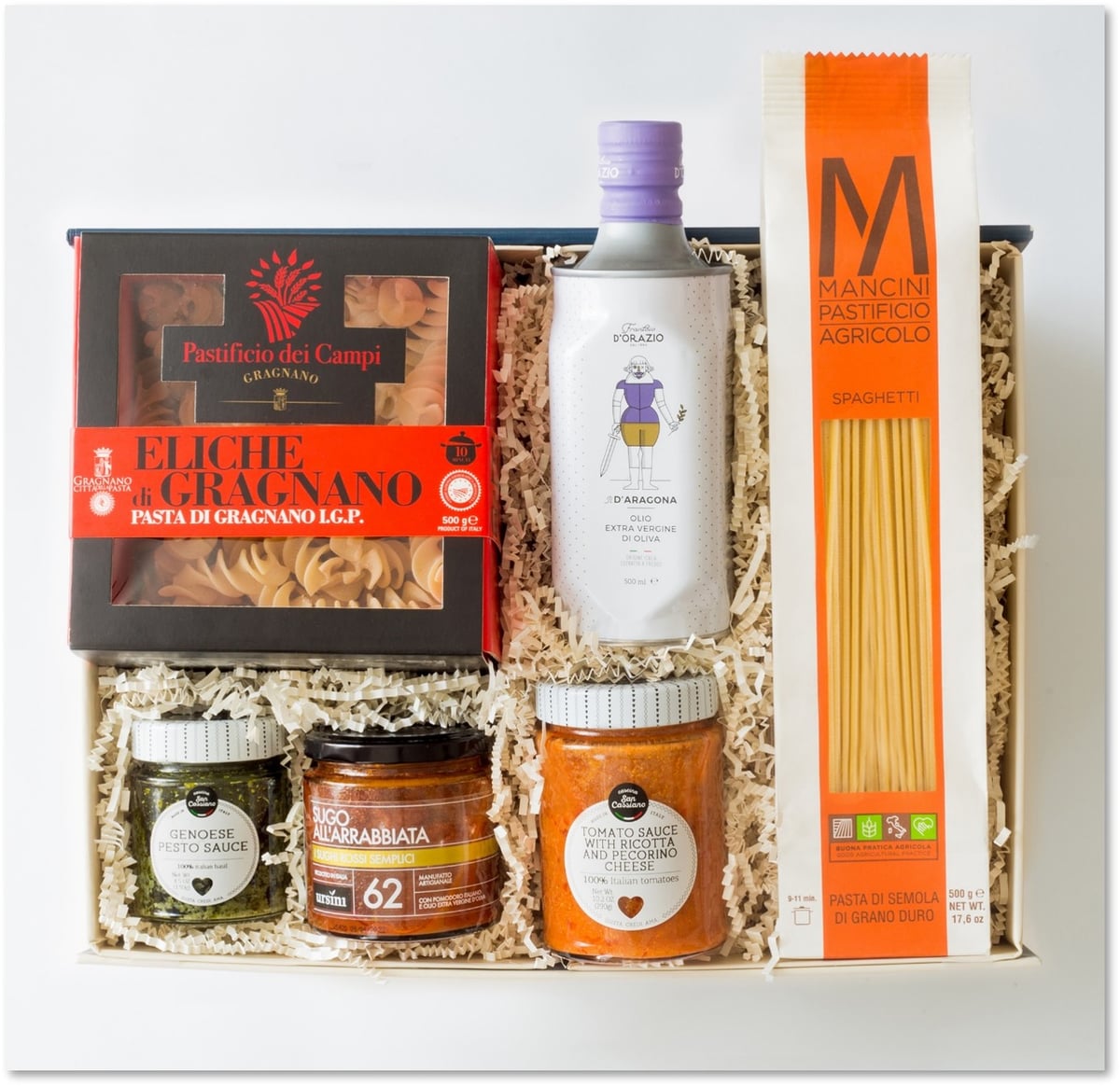
For those looking to master the fundamentals of Italian pasta preparation, a thoughtfully curated collection can make all the difference. The Pasta 1-0-1 gift box brings together Mancini spaghetti with complementary sauces and premium olive oil, creating an ideal foundation for exploring authentic Italian pasta techniques at home.
Sauce Pairings That Honor Quality
The beauty of pasta mancini spaghetti lies in its ability to elevate both simple and complex sauces. The textured surface and clean wheat flavor create a versatile canvas that adapts to various preparations.
Classic Combinations
Aglio, Olio e Peperoncino: This minimalist Neapolitan classic showcases the pasta's inherent flavor. Gently toast sliced garlic in premium extra virgin olive oil, add a pinch of red pepper flakes, then toss with hot pasta and a generous splash of cooking water. The emulsified sauce clings to each strand, delivering pure, essential flavors.
Cacio e Pepe: Rome's beloved three-ingredient masterpiece requires exceptional pasta. The rough texture of bronze-die spaghetti provides crucial grip for the creamy Pecorino Romano and black pepper sauce. The key is creating a proper emulsion: combine finely grated cheese with pasta water in a warm bowl, whisking until smooth, then add the cooked pasta and toss vigorously.
Pomodoro e Basilico: A perfect tomato sauce needs pasta that can hold its own. Use San Marzano tomatoes, quality olive oil, fresh basil, and a pinch of sea salt. The slow-dried Mancini spaghetti absorbs the sauce's acidity and sweetness in equal measure, creating balanced bites from first to last.
Regional Specialties
The Marche region, home to the Mancini family, celebrates seafood from the Adriatic coast. Try these regional approaches:
-
Brodetto-style: Toss spaghetti with a light fish broth reduction, cherry tomatoes, and mixed seafood
-
Vongole Veraci: Local clams steamed with white wine, garlic, and parsley
-
Calamari Ripieni: Tender stuffed squid served over spaghetti dressed with the cooking juices
Each preparation benefits from the pasta's ability to absorb flavors while maintaining structural integrity.
The Broader Context of Italian Pasta Excellence
While pasta mancini spaghetti represents a specific expression of artisan craft, it exists within a broader tradition of protected and celebrated Italian pasta-making. Understanding this context enriches appreciation for what makes exceptional pasta truly exceptional.
Italy recognizes Pasta di Gragnano as a Protected Geographical Indication, acknowledging specific production methods tied to the Gragnano area near Naples. These regulations mandate bronze dies, specific drying temperatures, and local spring water. The Mancini family's approach shares these traditional techniques while adding their unique element: estate-grown grain.
What Defines Artisan Pasta
Several characteristics distinguish artisan pasta from industrial production:
-
Small-batch production: Quantities measured in hundreds of kilograms, not tons
-
Traditional equipment: Bronze dies, slower extruders, climate-controlled drying rooms
-
Time investment: Days rather than hours from mixing to packaging
-
Ingredient transparency: Clear sourcing, often single-origin grain
-
Sensory distinctiveness: Noticeable differences in aroma, texture, and flavor
The detailed catalog of Mancini's production methods reveals how these elements combine in their specific context, creating pasta that expresses both place and philosophy.
Storing and Preserving Quality
Proper storage ensures pasta mancini spaghetti maintains its exceptional characteristics from purchase to plate. Unlike industrial pasta treated with preservatives and anti-caking agents, artisan pasta relies on low moisture content and careful handling.
Store unopened packages in a cool, dark pantry away from heat sources and humidity. The ideal temperature range is 15-20°C with relative humidity below 60%. Once opened, transfer pasta to an airtight container, preferably glass or food-grade stainless steel. Avoid plastic containers, which can impart off-flavors over time.
Shelf Life Considerations
Well-stored artisan pasta remains at peak quality for:
-
Unopened: 18-24 months from production date
-
Opened: 6-8 months in proper airtight storage
-
Exposed to air: 2-3 months before noticeable quality decline
Signs that pasta has degraded include loss of golden color (fading to pale yellow), brittle texture that creates excessive breakage, or musty odors when the package is opened. Quality pasta should smell clean and wheaty, with subtle nutty notes.
The Gift of Authentic Italian Craft
Sharing exceptional food creates connections that transcend ordinary gift-giving. Pasta mancini spaghetti represents more than ingredients; it embodies a family's dedication to preserving agricultural traditions in an era of industrial convenience.
For those seeking to share Italian culinary culture, consider the context surrounding the gift. Include a handwritten note explaining the Mancini family's five-generation commitment to growing their own grain. Suggest specific sauce pairings that showcase the pasta's unique texture. Perhaps add a bottle of estate-produced extra virgin olive oil or a wedge of aged Parmigiano Reggiano to create a complete Italian pantry experience.
Those exploring corporate gift options will find that artisan pasta selections communicate thoughtfulness and cultural appreciation. The story behind each product provides conversation starters and demonstrates attention to quality that recipients remember long after the gift is enjoyed.
Building a Complete Italian Pantry
Pasta forms the foundation, but a truly exceptional Italian meal requires complementary elements:
-
Extra virgin olive oil: Look for cold-pressed, single-estate options from specific regions
-
Aged cheese: 24-month Parmigiano Reggiano or aged Pecorino Romano for finishing dishes
-
Preserved tomatoes: San Marzano DOP tomatoes for authentic pomodoro sauce
-
Finishing salt: Flaky sea salt from Sicily or Trapani for final seasoning
-
Quality anchovies: Italian or Spanish anchovies in olive oil for depth and umami
Each element contributes to the final dish, but exceptional pasta remains the centerpiece that ties everything together.
Seasonal Celebrations and Pasta Traditions
Italian food culture intertwines with seasonal rhythms and celebratory moments. Pasta mancini spaghetti adapts beautifully to these occasions, from intimate family dinners to festive gatherings.
During summer months, serve chilled spaghetti salads dressed with cherry tomatoes, fresh mozzarella, basil, and quality olive oil. The pasta's firm texture holds up to refrigeration without becoming mushy. In autumn, pair spaghetti with earthy mushroom ragùs or roasted vegetable medleys. Winter calls for heartier preparations: rich meat sauces, baked pasta timbales, or spaghetti tossed with braised greens and white beans.
Spring brings fresh possibilities: wild asparagus with lemon and Pecorino, pea shoots with mint and ricotta, or simple preparations that celebrate the season's first vegetables. The pasta's clean wheat flavor provides an ideal backdrop for delicate spring ingredients.
Holiday Traditions
Italian holiday tables feature specific pasta traditions. Christmas Eve's Vigilia (Feast of the Seven Fishes) might include spaghetti with seafood preparations. Easter celebrations often feature pasta al forno or fresh pasta shapes. Understanding these traditions enriches the experience of cooking and sharing exceptional pasta.
For those curating Italian gourmet gift collections, including pasta alongside regional specialties tells a complete culinary story. The combination educates recipients about Italian food culture while providing everything needed to recreate authentic experiences at home.
Exceptional pasta transforms ordinary meals into memorable experiences, connecting us to agricultural traditions, regional landscapes, and the patient craft of artisan producers. Whether you're discovering pasta mancini spaghetti for the first time or seeking to share its exceptional quality with others, the story behind each package deepens appreciation for what truly excellent food represents. Explore how Tasty Ribbon brings authentic Italian artisan products to your table, curating selections that honor tradition while celebrating the joy of sharing exceptional food with those who matter most.