The first time you hold a piece of paccheri mancini in your hand, you understand that not all pasta is created equal. These wide, tubular beauties from Pastificio Mancini catch the light differently than factory-made alternatives, their surface slightly rougher, their color a shade closer to gold than pale yellow. This is pasta with a story that begins in wheat fields near the Adriatic Sea, where three generations of the Mancini family have perfected the art of transforming their own grain into something extraordinary. In a world of mass production, paccheri mancini represents a return to the fundamentals: exceptional wheat, time-honored techniques, and an unwavering commitment to quality that you can taste in every bite.
The Mancini Legacy: From Wheat Field to Dinner Table
Pastificio Mancini operates on a simple yet revolutionary principle for modern pasta making-they grow their own wheat. Located in the Marche region, this family-run operation cultivates durum wheat on 500 acres of farmland, controlling every step from seed to finished pasta. This farm-to-plate model allows them to select specific wheat varieties that produce superior pasta.
The Mancini family's dedication goes beyond vertical integration. They've cultivated relationships with Michelin-starred chefs worldwide who specifically request their paccheri for signature dishes. When you examine Mancini's paccheri, you notice details that reveal this commitment: the slightly uneven surface that grips sauce beautifully, the thickness that provides satisfying texture, the golden hue that speaks to wheat quality.
What Sets Mancini Apart
Several factors distinguish paccheri mancini from industrial alternatives:
-
Single-origin wheat: All grain comes from Mancini's own fields, ensuring consistency
-
Extended drying time: 24-48 hours at low temperatures versus industrial methods that rush the process
-
Bronze dies: Traditional shaping creates the rough surface that holds sauce
-
Immediate milling: Wheat is milled shortly after harvest, preserving freshness and nutritional value
Research shows that durum wheat quality significantly impacts final pasta characteristics, affecting everything from cooking behavior to nutritional composition. Mancini's control over wheat cultivation allows them to optimize these factors.
Understanding Paccheri: A Noble Neapolitan Shape
Before exploring what makes Mancini's version special, we should understand paccheri itself. These large, smooth tubes originated in Campania, particularly Naples, where they've been a staple since at least the 19th century. Paccheri measure approximately 3-4 centimeters in diameter and length, creating generous cylinders perfect for capturing chunky sauces.
The name likely derives from "pacca," a Neapolitan dialect word meaning "slap," possibly referring to the sound they make when tossed in a pan. Legend suggests paccheri were once used to smuggle garlic cloves from Italy to Prussia during a garlic import ban, though this charming tale remains unverified.
Traditional Uses and Modern Applications
Historically, paccheri appeared in Neapolitan Sunday dinners, dressed simply with tomato sauce and basil or paired with seafood from the Bay of Naples. Contemporary chefs have expanded these applications while respecting tradition.
| Traditional Pairing |
Modern Interpretation |
| Tomato and basil sauce |
Slow-roasted cherry tomatoes with burrata |
| Mixed seafood ragù |
Lobster with bisque sauce |
| Neapolitan meat sauce |
Duck ragù with orange zest |
| Ricotta and sausage |
Braised lamb shoulder with pecorino |
The size and structure of paccheri mancini make them ideal for stuffing-a technique gaining popularity in fine dining establishments. Chefs fill the tubes with ricotta mixtures, seafood mousse, or vegetable preparations, then finish them in sauce for an elegant presentation.
The Production Process: Time as an Ingredient
What happens in Mancini's pastificio transforms good wheat into exceptional pasta. Their production methods honor traditions while incorporating modern food safety standards.
The process begins with wheat selection. Mancini grows multiple durum wheat varieties, choosing those with high protein content and ideal gluten characteristics. After harvest, grain rests briefly before milling-a critical step that many industrial producers skip by using wheat stored for months or years.
From Flour to Finished Pasta
Fresh semolina mixes with pure water at specific ratios that vary slightly based on atmospheric conditions. The dough rests before extrusion through bronze dies, which create paccheri's characteristic texture. While industrial pasta might dry in 3-6 hours at high temperatures, Mancini allows 24-48 hours at temperatures below 38°C (100°F).
This extended drying period fundamentally changes the pasta. Lower temperatures preserve wheat proteins and prevent case hardening (when pasta's exterior dries faster than its interior, creating stress fractures). The result? Paccheri mancini that holds its shape during cooking, maintains pleasant texture, and releases a subtle wheat aroma when boiled.
For those exploring authentic Italian pasta traditions, Mancini's spaghetti shares these same production values across different shapes, each format optimized for specific sauce applications.
Cooking Paccheri Mancini to Perfection
Premium pasta deserves proper preparation. The cooking process for paccheri mancini follows traditional Italian principles with attention to detail that honors the craftsmanship behind each piece.
Start with abundant water-at least 4-5 liters per 500 grams of pasta. This ratio prevents temperature drops when pasta enters the pot and gives each piece room to cook evenly. Salt generously; the water should taste like the sea. Italians use approximately 10 grams of salt per liter, though you can adjust to preference.
Recommended cooking techniques from Slow Food suggest bringing water to a rolling boil before adding paccheri. The pasta requires 13-15 minutes to reach al dente, though you should start testing at 12 minutes. Mancini's paccheri maintains structure well, so there's a comfortable window between perfectly al dente and overcooked.
The Finish Makes the Difference
Reserve at least one cup of pasta cooking water before draining. This starchy liquid becomes your secret weapon for creating cohesive sauce that clings to every tube. Many home cooks make the mistake of treating sauce and pasta as separate entities, but Italian technique calls for finishing pasta in the sauce pan.
Here's the sequence:
- Drain paccheri when slightly underdone (1-2 minutes before package timing)
- Transfer immediately to your sauce pan over medium heat
- Add pasta water gradually, tossing constantly
- Allow pasta to finish cooking in the sauce (1-2 minutes)
- Remove from heat, add final touches (cheese, herbs, olive oil)
This method creates emulsification between sauce and pasta water, coating each piece of paccheri mancini completely rather than having sauce pool at the bottom of the bowl.
Pairing Sauces with Paccheri Mancini
The generous size of paccheri demands sauces with presence. Delicate, oil-based preparations that work beautifully with thin pasta like angel hair get lost in these substantial tubes. Instead, consider robust preparations that complement rather than compete with the pasta's wheaty flavor.
Seafood preparations honor paccheri's Neapolitan heritage. A classic combination features mixed shellfish-mussels, clams, and prawns-in a white wine and tomato broth. The tubes capture small pieces of seafood while the sauce fills each cylinder. For special occasions, lobster or scallops elevated with saffron and cream create an indulgent dish worthy of celebration.
Meat ragùs work exceptionally well with paccheri mancini's structure. Unlike Bolognese, which traditionally pairs with tagliatelle, these tube pastas suit chunkier meat preparations. Osso buco-style braised veal shank, pulled apart and tossed with its cooking liquid, creates memorable Sunday dinners. Duck ragù, pork cheek, or lamb shoulder braised low and slow provide rich, satisfying options.
Vegetarian Excellence
Vegetable-forward sauces achieve new dimensions with quality paccheri. Roasted eggplant with tomatoes, ricotta salata, and basil recalls Sicily's pasta alla Norma while adapting to paccheri's format. Mushroom ragù made with porcini or mixed wild mushrooms, finished with cream and Parmigiano Reggiano, offers earthy sophistication.
Stuffed paccheri opens additional possibilities. Fill tubes with ricotta and spinach, arrange in a baking dish, cover with béchamel and tomato sauce, then bake until golden. This preparation transforms paccheri into a showstopping dish appropriate for entertaining.
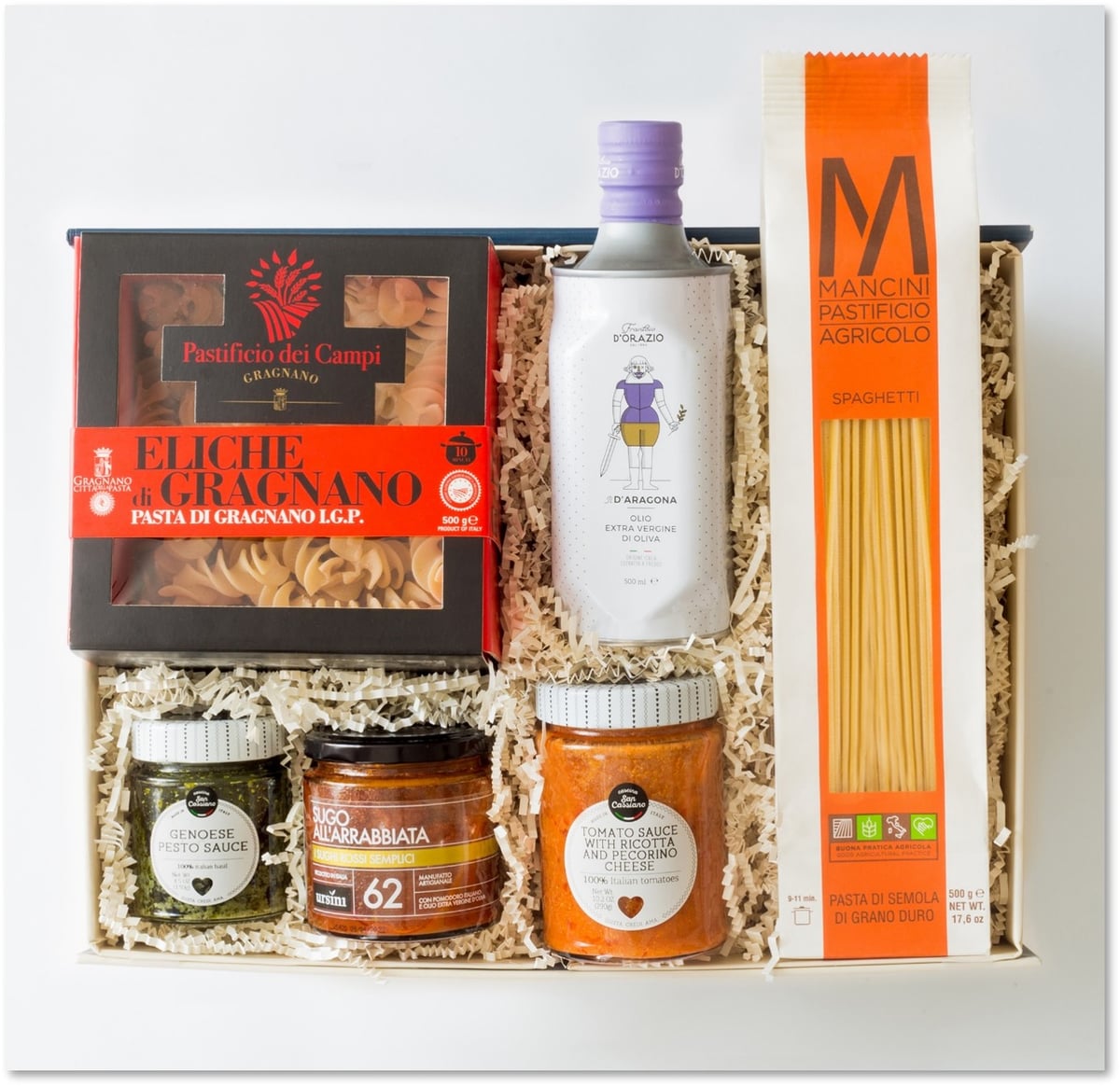
For those building Italian gift experiences, the Pasta 1-0-1 collection pairs Mancini pasta with authentic sauces and premium olive oil, offering recipients everything needed for an authentic Italian meal. The thoughtful curation introduces home cooks to the quality differences that artisan products deliver.
Wine Pairings for Paccheri Dishes
Italian food culture considers wine an essential component of any pasta meal, not an afterthought. Pairing wine with paccheri requires considering both the pasta and sauce, though sauce typically dominates the pairing decision.
For seafood-based paccheri preparations, look to Italian white wines with structure and acidity. Vermentino from Sardinia or Liguria offers minerality and citrus notes that complement shellfish beautifully. Falanghina, a white grape from Campania (paccheri's homeland), creates regional harmony. Both wines provide enough body to stand up to paccheri's substantial texture without overwhelming delicate seafood.
Tomato-based sauces call for red wines with bright acidity and moderate tannins. Chianti Classico from Tuscany remains a classic choice-Sangiovese grape's natural acidity cuts through tomato's acidity while complementing the fruit. For something different, try Etna Rosso from Sicily, made from Nerello Mascalese grapes grown on volcanic soil. These wines offer elegance, red fruit flavors, and mineral notes that elevate simple tomato sauces.
Matching Intensity with Robust Sauces
Rich meat ragùs demand wines with corresponding weight and complexity. Brunello di Montalcino, made from 100% Sangiovese grapes aged for years, provides the structure needed for braised meat preparations. Its tannins soften the richness of meat while its complexity matches the dish's depth.
For cream-based or cheese-heavy preparations, consider medium-bodied reds or structured whites. Barbera d'Alba offers bright acidity that cuts through cream while maintaining enough fruit to please the palate. Alternatively, aged white wines like Soave Classico Riserva develop nutty, complex characteristics that complement creamy sauces surprisingly well.
The Restaurant Connection: Paccheri in Fine Dining
Paccheri mancini has achieved icon status in high-end Italian restaurants worldwide. Chef Paolo Rota at Da Vittorio features paccheri prominently on his menu, using Mancini's product specifically for its reliability and superior texture. When restaurants holding Michelin stars choose a specific pasta brand, it signals exceptional quality.
The pasta's visual impact makes it popular for plated presentations. Unlike smaller formats that can look monotonous, paccheri creates architectural possibilities. Chefs arrange tubes standing upright, fan them across plates, or stack them in towers. The large format also allows for impressive stuffed presentations where filling becomes visible when tubes are cut.
Beyond aesthetics, professional kitchens appreciate paccheri mancini's consistent cooking behavior. In restaurant service, pasta must reach perfect doneness repeatedly throughout busy services. Mancini's extended drying process and quality wheat create pasta that behaves predictably, maintaining texture even when held briefly before plating.
Storing and Handling Artisan Pasta
Proper storage preserves the qualities that make paccheri mancini special. Dried pasta technically remains safe for years, but optimal flavor and texture deteriorate over time. Store unopened packages in a cool, dry pantry away from direct sunlight. Once opened, transfer pasta to an airtight container to prevent moisture absorption and protect from pantry pests.
Unlike fresh pasta requiring refrigeration, dried paccheri mancini keeps at room temperature. However, avoid temperature fluctuations and high humidity, which can affect texture. Many Italian home cooks use glass jars with tight-sealing lids, which also allows you to admire the pasta's golden color-a small daily reminder of quality ingredients awaiting your next meal.
Building an Italian Pantry Around Quality Pasta
Paccheri mancini serves as an anchor for a well-curated Italian pantry. Surrounding it with complementary artisan products elevates simple weeknight dinners into memorable meals. Consider these essential companions:
Extra virgin olive oil forms the foundation of countless Italian preparations. Look for single-estate oils from specific regions-Tuscan oils offer peppery notes, while Puglian oils tend toward fruity, mild characteristics. Quality olive oil isn't just for dressing; it's your finishing touch, drizzled over completed dishes to add richness and aroma.
San Marzano tomatoes or equivalent high-quality canned tomatoes make sauce preparation effortless. These tomatoes, grown in volcanic soil near Mount Vesuvius, offer sweet flavor with low acidity. A quick sauce made from crushed San Marzano tomatoes, garlic, olive oil, and basil perfectly complements paccheri's wheaty taste.
Aged Parmigiano Reggiano adds complexity and umami to countless dishes. Choose 24-month or 36-month aged versions for deeper flavor. Grate fresh over finished pasta rather than using pre-grated alternatives, which lack the same punch and often contain anti-caking additives.
For those exploring Italian artisan products, visiting Pastificio Mancini's profile reveals the dedication behind this family operation and their commitment to agricultural pasta making-a philosophy that connects directly to the land.
Gifting Artisan Pasta: Sharing Italian Excellence
Premium pasta like paccheri mancini makes a thoughtful gift for food enthusiasts, home cooks, or anyone who appreciates quality ingredients. Unlike generic gift baskets, artisan Italian products communicate care and sophistication. When you give someone Mancini pasta, you're sharing a piece of Italian agricultural heritage.
Consider building a pasta-focused gift around paccheri mancini. Include a bottle of quality extra virgin olive oil, a jar of artisan tomato sauce, and aged Parmigiano Reggiano. Add recipe suggestions or a handwritten note explaining what makes each component special. This approach creates an experience rather than just delivering products.
For corporate gifting needs, Italian gourmet items offer universal appeal while conveying professionalism and taste. Food gifts cross cultural boundaries more easily than many alternatives, and quality Italian products signal attention to detail that reflects well on your business relationships.
The Presentation Matters
How you present artisan products significantly impacts their perceived value. Beautiful packaging, thoughtful arrangement, and educational materials transform good products into memorable gifts. Many recipients may not initially understand what distinguishes paccheri mancini from supermarket pasta-a brief note explaining the farm-to-table process and extended drying time helps them appreciate the difference.
Seasonal timing also matters. Italian pasta gifts work beautifully during winter holidays when comfort foods appeal, but they're equally appropriate for spring celebrations, summer hostess gifts, or autumn harvest-themed occasions. The versatility makes them reliable choices year-round.
The Future of Artisan Pasta Production
Small producers like Pastificio Mancini represent an alternative to industrial food systems that have dominated for decades. As consumers increasingly seek transparency about food origins, pasta makers who control their entire supply chain gain competitive advantages. Knowing exactly which fields produced your dinner's wheat offers reassurance impossible with industrially-sourced products.
This movement toward agricultural pasta making-where producers grow their own grain-remains relatively small but growing. It requires significant land investment and agricultural expertise beyond pasta making itself. The Mancini family's success demonstrates that consumers will pay premium prices for demonstrably superior products.
Environmental considerations also favor this model. Shorter supply chains reduce transportation impacts, while small-scale farming often employs more sustainable practices than industrial agriculture. Mancini's crop rotation and soil management practices maintain land health for future generations, connecting quality pasta to environmental stewardship.
Paccheri mancini embodies everything exceptional about Italian artisan food production: respect for raw materials, patience in processing, and unwavering commitment to quality over quantity. Whether you're preparing a simple weeknight dinner or planning an elegant celebration, this pasta elevates the meal through its superior texture, wheat flavor, and remarkable sauce-holding ability. When you're ready to experience authentic Italian artisan products that capture this same dedication to excellence, Tasty Ribbon curates exceptional Italian gourmet items perfect for gifting or building your own Italian pantry. Each carefully selected product connects you directly to Italy's finest artisan makers, bringing the heart of Italian food culture into your home or into the hands of someone you want to delight.