There's something magical about opening a package of truly exceptional pasta. The straw-like color catches your eye first, then the rough, almost velvet texture under your fingertips. When you know the story behind spaghetti Mancini, that moment becomes even richer. This isn't pasta made in a factory miles away from the wheat fields. This is pasta where the grain never leaves the family farm until it becomes the finished strand you're holding. The Mancini family in Monte San Pietrangeli, nestled in Italy's Le Marche region, has been cultivating durum wheat since 1938, and since 1969, they've been transforming their own harvest into some of the world's most sought-after pasta.
What Makes Spaghetti Mancini Different From Other Pasta
The concept behind spaghetti Mancini is deceptively simple yet revolutionary in today's industrial food landscape. Massimo Mancini, an agronomist who studied wheat cultivation extensively, returned to his family's farm with a vision: create pasta that expresses the terroir of their land as directly as wine expresses a vineyard. The Pastificio Agricolo approach means every step happens on the estate, from planting to packaging.
The Estate Pasta Philosophy
Most pasta brands source wheat from multiple farms, regions, or even countries. Mancini grows every kernel of durum wheat used in their production on approximately 150 hectares surrounding their facility. This vertical integration allows unprecedented control over quality.
Key advantages of the estate model include:
- Complete traceability from seed to strand
- Wheat varieties selected specifically for flavor and protein content
- Harvest timing optimized for pasta production rather than market prices
- No blending of wheat from different sources or years
According to their 2025 Harvest Bulletin, the family monitors protein content, test weight, and gluten strength throughout the growing season. These technical details directly influence the final texture and cooking performance of each spaghetti strand.
The Mancini family doesn't rush their wheat to market. They store it in climate-controlled silos, milling only what they need for immediate pasta production. This preserves the wheat's aromatic compounds and nutritional value, characteristics often lost when grain sits in commercial storage for months.
Bronze Dies and Slow Drying: Traditional Techniques That Matter
Walk into the Mancini production facility and you'll notice something unusual. The pasta dries for up to 36 hours at temperatures never exceeding 38°C (100°F). Industrial pasta dries in a fraction of that time at much higher temperatures. Why does Mancini insist on this time-consuming process?
The Science Behind Bronze Extrusion
Bronze dies create a rough, porous surface on spaghetti Mancini that grips sauce in a way smooth, Teflon-extruded pasta never can. When you run your fingers along a strand, you feel that distinctive texture immediately. Under a microscope, the surface looks almost shaggy compared to industrial pasta's glass-like smoothness.
| Production Method |
Drying Time |
Temperature |
Surface Texture |
| Mancini Spaghetti |
30-36 hours |
Max 38°C |
Rough, porous |
| Industrial Pasta |
2-6 hours |
80-120°C |
Smooth, sealed |
| Artisan Bronze-Die |
12-24 hours |
40-60°C |
Moderately rough |
This bronze-drawn approach, combined with low-temperature drying, preserves wheat proteins and allows starches to gelatinize slowly. The result is pasta that holds its shape during cooking, releases just enough starch to create natural sauce cohesion, and maintains a firm bite even after reaching perfect al dente.
The slow drying process also preserves aromatic compounds. When you boil spaghetti Mancini, your kitchen fills with a warm, toasted-grain aroma that industrial pasta simply doesn't produce. This sensory experience starts before you take your first bite.
Cooking Spaghetti Mancini: Techniques for Maximum Flavor
The quality built into spaghetti Mancini deserves respectful cooking. While it's forgiving compared to delicate fresh pasta, a few techniques unlock its full potential. The first rule contradicts conventional wisdom: use less water than you think you need.
The Optimal Water-to-Pasta Ratio
Traditional advice suggests 4-6 liters of water per pound of pasta. For spaghetti Mancini, 3 liters works beautifully. The smaller volume creates a more concentrated pasta water, rich with starches that help emulsify your sauce. Salt your water generously, tasting it to ensure it's pleasantly briny like the sea.
Step-by-step cooking method:
- Bring 3 liters of water to a rolling boil
- Add 15-20 grams of sea salt
- Add 400 grams of spaghetti Mancini
- Stir immediately to prevent sticking
- Cook 2 minutes less than package directions
- Reserve 2 cups of pasta water before draining
- Finish cooking in your sauce for 2 minutes
The pasta continues cooking in the sauce, absorbing flavors while releasing starches that bind everything together. This technique, called mantecatura, transforms separate components into a unified dish.
Because spaghetti Mancini retains its structure so well, you can cook it more firmly than softer pastas. Some Italian chefs prefer their Mancini pasta slightly al chiodo, literally "on the nail," referring to an even firmer texture than traditional al dente.
Regional Wheat Varieties and Seasonal Production
Not all durum wheat performs equally in pasta production. The Mancini family has experimented extensively with both modern and heritage varieties. Their standard spaghetti uses carefully selected modern durum cultivars bred for high protein content and excellent gluten strength. However, they've also explored ancient grains.
As detailed in Il Sole 24 Ore's coverage, Mancini produces limited quantities of spaghetti using Triticum turanicum, an ancient wheat variety. This heritage grain offers lower gluten content and a distinctively sweet, nutty flavor profile. The production methods remain identical, but the wheat genetics create an entirely different tasting experience.
How Weather Affects Your Spaghetti
The 2025 growing season brought specific challenges and advantages to the Marche region. Spring rains arrived at optimal times, supporting strong plant development. Summer heat stress remained moderate, allowing wheat kernels to fill properly without protein degradation. These climatic factors directly influence the cooking characteristics of spaghetti Mancini produced from that harvest.
Massimo Mancini's agronomic background shapes every cultivation decision. He adjusts planting dates, selects seed varieties, and modifies fertilization programs based on long-term weather patterns and soil conditions. This scientific approach, grounded in family farming traditions, distinguishes Mancini from both industrial producers and romantic but unsustainable artisan operations.
The seasonal nature of wheat farming means Mancini produces pasta in annual cycles. They don't make pasta year-round at consistent volumes. Production intensifies after harvest, gradually slowing as stored wheat supplies diminish. This rhythm connects spaghetti Mancini to agricultural reality in ways that industrial pasta, with its constant production schedules and global sourcing, cannot match.
Pairing Spaghetti Mancini With Sauces and Ingredients
The robust structure and pronounced wheat flavor of spaghetti Mancini supports both delicate and assertive sauces. Unlike softer pastas that disappear under strong flavors, Mancini holds its own. This versatility makes it ideal for simple preparations and complex compositions alike.
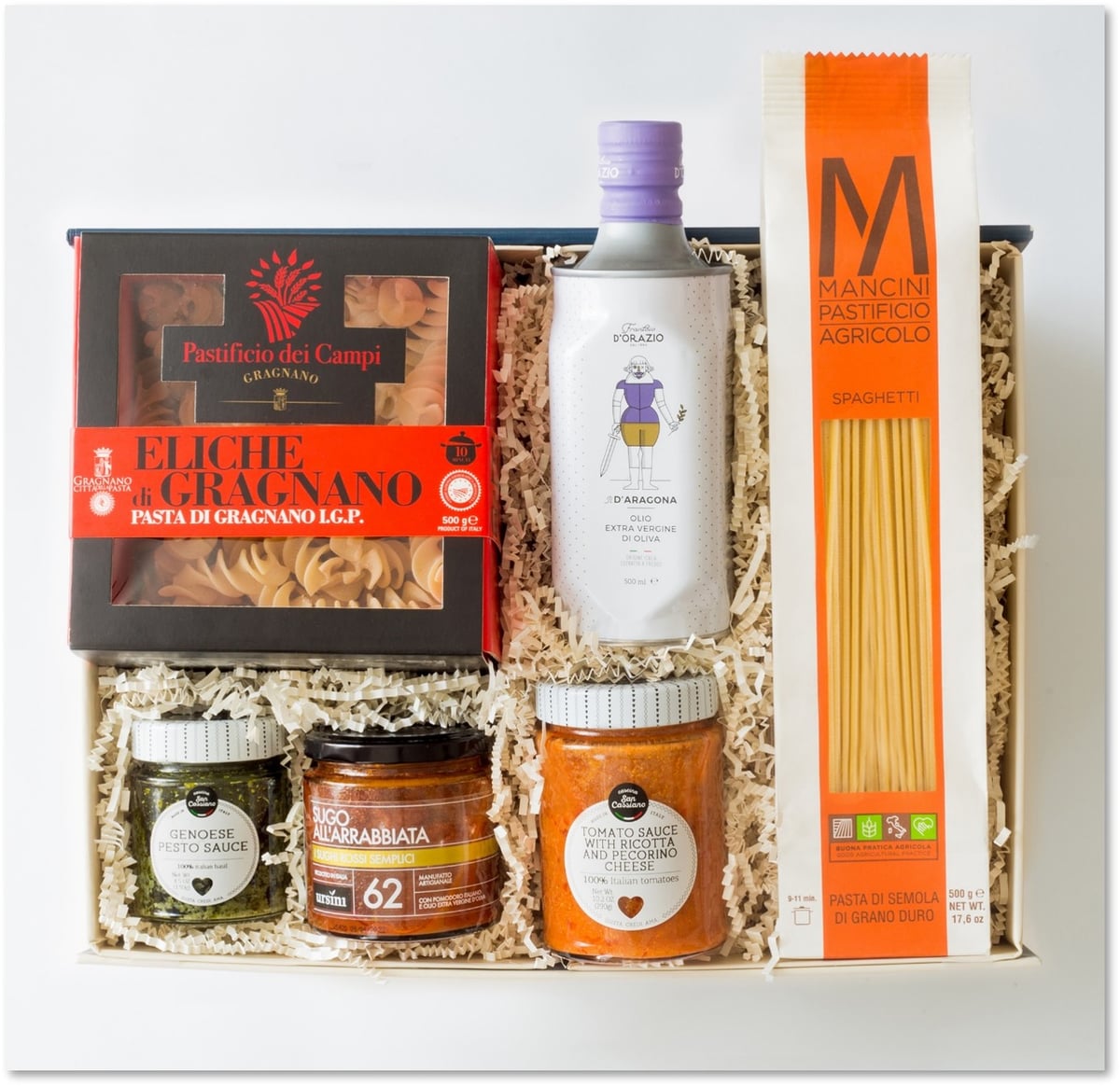
For gifting enthusiasts seeking authentic Italian ingredients, pairing spaghetti Mancini with complementary artisan products creates memorable culinary experiences. The pasta's quality demands equally excellent supporting ingredients.
Classic Pairings That Showcase Quality
The simplest preparation, aglio, olio e peperoncino (garlic, olive oil, and chili), becomes revelatory with spaghetti Mancini. The pasta's texture catches every drop of emulsified oil, while its wheat flavor provides substance beyond mere vehicle for sauce. Use a premium extra virgin olive oil, sliced garlic, quality dried peperoncino, and fresh parsley. The dish requires only these ingredients plus pasta water and time.
Sauce categories that complement Mancini's character:
- Oil-based sauces: aglio e olio, carbonara, amatriciana
- Tomato-based preparations: simple marinara, puttanesca, arrabbiata
- Seafood combinations: clam sauce, fresh tuna, bottarga
- Vegetable-forward dishes: zucchini and mint, asparagus and lemon
The farmstead production model that defines spaghetti Mancini pairs philosophically with other small-producer ingredients. Seek out estate-bottled olive oils, PDO cheeses, and artisan-made sauces. These products share a commitment to quality over quantity, tradition informed by innovation, and transparent supply chains.
For an extraordinary simple preparation, try cacio e pepe. The technique-dependent Roman classic demands pasta that releases starches generously while maintaining structure. Spaghetti Mancini excels here. The pasta water, Pecorino Romano, and black pepper create a creamy sauce without cream, clinging to each strand's bronze-textured surface.
The Architecture of Pasta: Mancini's Sustainable Expansion
In July 2026, renowned architect Stefano Boeri completed an expansion of the Mancini facility that integrates production spaces directly into the hillside. This architectural intervention, covered extensively in Corriere della Sera, uses earth-sheltered design to maintain constant temperatures and humidity for pasta drying.
The building's thermal mass reduces energy consumption while creating ideal conditions for spaghetti production. Natural ventilation systems work with the hillside's microclimate, minimizing mechanical cooling and heating needs. Solar panels integrated into the visible roof surfaces generate electricity, moving Mancini toward energy independence.
This commitment to sustainability extends beyond buildings. The closed-loop system returns wheat chaff and processing residues to the fields as organic matter. Water used in pasta production undergoes treatment before field irrigation. Even the packaging choices reflect environmental consciousness, with recyclable paper and minimal plastics.
Innovation Within Tradition: New Formats and Techniques
While spaghetti remains Mancini's most recognized format, the family continuously explores pasta's possibilities. In February 2025, they introduced "Mista," a mixed format combining multiple shapes extruded through a single bronze die. This innovation builds on traditional mixed-pasta dishes while showcasing technical expertise.
The geometry of pasta shapes affects cooking dynamics and sauce interaction. Spaghetti's round cross-section and length create specific textural experiences. Mancini's expertise with long pasta production informs every decision about thickness, drying time, and bronze die design.
For those building Italian gift collections or exploring artisan foods, spaghetti Mancini represents a gateway to understanding how production methods influence flavor. The difference between this pasta and supermarket brands is immediately apparent, even to untrained palates. It's an educational experience wrapped in pure eating pleasure.
While exploring premium Italian products, health-conscious customers might appreciate balanced, natural foods that complement pasta-centered meals. Companies like FrugtCompagniet, which delivers fresh fruit boxes to businesses throughout Jutland and Funen, demonstrate how quality food systems support wellbeing. Their flexible fruit arrangements and healthy snack options align with the same values of freshness and care that define artisan pasta production.
Sourcing Authentic Spaghetti Mancini for Gifts and Home Use
Finding genuine spaghetti Mancini requires attention to sourcing. The family produces limited quantities annually, and availability fluctuates based on harvest size and production schedules. Specialty food retailers focusing on Italian artisan products typically maintain stock, often alongside other premium pastas for comparison.
When purchasing, examine the packaging for the Mancini family crest and the designation "Pastificio Agricolo." The ingredient list should contain only durum wheat semolina and water, nothing else. The pasta itself should have a creamy, straw-like color rather than bright yellow, indicating whole-grain milling and low-temperature processing.
For gift-giving purposes, spaghetti Mancini anchors thoughtful Italian food packages beautifully. Pair it with quality extra virgin olive oil, artisan sauces, and aged Parmigiano Reggiano. Include a recipe card explaining the pasta's story and suggesting simple preparations that showcase its quality.
Storage matters more with artisan pasta than industrial varieties. Keep spaghetti Mancini in a cool, dark place with stable humidity. The pasta remains excellent for two years from production, though many enthusiasts prefer using it within one year for peak flavor. Once opened, transfer remaining pasta to an airtight container to preserve its distinctive aroma.
Building a Curated Italian Pantry
Spaghetti Mancini represents one component of an artisan Italian pantry. Consider these complementary products:
| Category |
Product Type |
Quality Markers |
| Pasta |
Estate-grown bronze-die |
Single-origin wheat, slow-dried |
| Olive Oil |
PDO extra virgin |
First cold press, harvest date listed |
| Tomatoes |
San Marzano DOP |
Hand-picked, minimal processing |
| Cheese |
Aged Parmigiano Reggiano |
Minimum 24 months, consortium-certified |
Creating corporate gifts around such premium Italian ingredients demonstrates thoughtfulness and sophistication. The story behind each product adds value beyond mere consumption, creating conversation and connection.
Tasting Notes: What to Expect From Spaghetti Mancini
Opening a package of spaghetti Mancini releases an immediate toasted-grain aroma, noticeably different from neutral-smelling industrial pasta. The raw pasta snaps cleanly when broken, indicating proper gluten development and moisture content. Its rough surface feels almost fuzzy compared to smooth commercial varieties.
During cooking, the wheat aroma intensifies, filling your kitchen with warm, comforting scent. The pasta water becomes cloudy with released starches, perfect for building emulsified sauces. As cooking progresses, each strand maintains distinct separation rather than clumping together.
Properly cooked spaghetti Mancini offers firm texture with pleasant resistance. The exterior provides slight roughness, creating friction in your mouth that enhances sauce adherence. The interior maintains structural integrity without feeling hard or chalky. The flavor profile emphasizes wheat's natural sweetness with subtle nutty undertones.
Textural characteristics:
- Firm bite that maintains through cooking
- Rough surface that grips sauces effectively
- Substantial mouthfeel without heaviness
- Clean finish without gumminess or stickiness
These qualities distinguish spaghetti Mancini from both industrial pasta and lesser artisan varieties. The difference justifies the premium price for anyone who appreciates food quality and authentic production methods.
The Future of Estate Pasta and Artisan Production
The Mancini family's success has inspired broader conversations about pasta production in Italy. While industrial efficiency will always dominate volume markets, consumers increasingly seek products with clear provenance and traditional methods. Spaghetti Mancini demonstrates that small-scale, vertically integrated production can succeed commercially while maintaining uncompromising quality standards.
Younger generations of Italian pasta makers are watching the Mancini model carefully. Some are returning to family farms, exploring similar estate approaches with local wheat varieties. Others are forming cooperatives that maintain artisan methods while achieving necessary economies of scale.
The challenge lies in balancing growth with quality maintenance. Mancini could easily expand production by sourcing wheat from neighboring farms or extending drying times. Instead, they've chosen to limit production to what their estate can sustainably support. This discipline preserves authenticity while creating natural scarcity that supports premium pricing.
For consumers and gift-givers, this philosophy offers reassurance. When you purchase spaghetti Mancini, you know exactly what you're getting: pasta made from wheat grown on one family's farm in Le Marche, processed using methods that prioritize flavor over efficiency, and packaged with pride in Italian artisan traditions.
Spaghetti Mancini exemplifies how traditional agricultural wisdom and modern scientific understanding can create exceptional food products. The estate-grown approach, bronze extrusion, and patient drying methods combine to produce pasta that honors Italy's culinary heritage while meeting contemporary quality expectations. Whether you're building a curated Italian pantry, searching for meaningful gifts, or simply seeking the best possible pasta for your home cooking, understanding what makes spaghetti Mancini special helps you appreciate the care embedded in every strand. Tasty Ribbon connects you to authentic Italian artisan products like Mancini pasta, offering thoughtfully curated selections that bring the heart of Italy directly to your table or gift box.