There's a quiet revolution happening in Italian kitchens across the world, and it begins with a single strand of pasta. Not just any pasta, though-bucatini mancini represents something far more profound than a simple noodle. This thick, hollow spaghetti carries within its golden walls a story of family tradition, agricultural integrity, and an uncompromising dedication to quality that stretches back generations in the wheat fields of central Italy. When you hold a piece of bucatini mancini up to the light, you're witnessing the culmination of choices made at every step of production, from seed to package, choices that honor both the land and the people who work it.
Understanding the Distinctive Character of Bucatini Mancini
The Mancini family has been cultivating wheat and producing pasta in the Marche region since 1938, creating a legacy built on vertical integration that few pasta makers can match. What sets bucatini mancini apart begins in the fields where the durum wheat grows under careful supervision, then continues through every stage of milling and pasta production. This isn't commodity wheat purchased from brokers; it's grain the family nurtures themselves, ensuring complete control over quality from soil to finished product.
The Bronze Die Difference
When discussing artisan pasta quality, the conversation inevitably turns to extrusion methods. Bronze-die pasta offers superior texture and sauce absorption compared to industrial alternatives, and bucatini mancini exemplifies this traditional approach. The Mancini family custom-designs each circular bronze die used in their production, creating a rough, porous surface that grips sauce with remarkable tenacity.
This textured exterior isn't merely aesthetic. The microscopic grooves carved by bronze extrusion create countless tiny channels where oil-based sauces, tomato preparations, and cheese emulsions can cling and nestle. Industrial pasta extruded through Teflon dies emerges smooth and slippery, sliding past sauces rather than embracing them. The tactile difference is immediately apparent to anyone who has cooked both types side by side.
Low-Temperature Drying Preserves Integrity
Modern industrial pasta production prioritizes speed and efficiency, often drying pasta at temperatures exceeding 80°C to reduce processing time. This aggressive approach compromises nutritional value and flavor complexity. Research demonstrates that extrusion method and drying temperature significantly influence pasta's nutritional and sensory quality, validating what artisan producers have known intuitively for generations.
The Mancini approach differs fundamentally. Their bucatini dries slowly at temperatures below 45°C, sometimes taking up to 36 hours to complete. This patient process preserves the wheat's natural proteins, vitamins, and aromatic compounds that would otherwise degrade under heat stress. The result tastes noticeably more wheaty, more authentic, carrying subtle nutty notes that industrial pasta simply cannot replicate.
The Hollow Architecture of Bucatini
Bucatini's distinctive hollow center defines both its cooking properties and its cultural significance within Italian cuisine. This thick spaghetti with a narrow tunnel running through its length creates unique textural experiences that solid pasta shapes cannot achieve. The hollow core allows heat and cooking water to penetrate from both inside and outside, promoting even cooking while creating opportunities for sauce to infiltrate the pasta itself.
| Feature |
Bucatini |
Standard Spaghetti |
Penne |
| Sauce adhesion |
Excellent (interior + exterior) |
Good (exterior only) |
Very good (interior ridges) |
| Cooking time |
9-11 minutes |
8-10 minutes |
11-13 minutes |
| Texture complexity |
High (hollow creates bite variance) |
Medium |
Medium-high |
| Traditional pairings |
Amatriciana, carbonara, cacio e pepe |
Aglio e olio, tomato sauce |
Arrabbiata, vodka sauce |
This architectural choice matters tremendously in Roman cuisine, where bucatini serves as the foundation for iconic dishes like bucatini all'amatriciana and bucatini alla carbonara. The hollow center provides structural integrity under the weight of chunky guanciale, creating satisfying forkfuls that balance pasta and condiment in perfect proportion.
Vertical Integration and Agricultural Ethics
What distinguishes bucatini mancini from countless other artisan pasta brands isn't merely production technique-it's the fundamental business model. The Mancini family controls every step from cultivation through packaging, an increasingly rare approach in contemporary food production. They farm approximately 150 hectares of durum wheat in the rolling hills surrounding their pasta facility, applying sustainable agricultural practices that prioritize soil health over maximum yield.
This vertical integration serves multiple purposes beyond quality control. It ensures fair compensation for agricultural labor, eliminates intermediary markups, and maintains transparent supply chains that consumers increasingly demand. When regulations require pasta di semola di grano duro to meet specific ingredient and nutritional standards, the Mancini family can guarantee compliance because they witness every stage personally.
The Wheat Matters More Than You Think
Many pasta discussions focus exclusively on production methods while overlooking the fundamental importance of grain quality. Recent research on ancient wheat varieties and modern durum cultivars demonstrates that genetic selection, growing conditions, and harvest timing all influence final pasta characteristics significantly.
The durum wheat varieties Mancini cultivates produce grains with optimal protein content, gluten strength, and pigmentation. These factors determine how pasta behaves during cooking, how well it maintains structural integrity under heat, and what color it presents on the plate. The vibrant golden hue of properly made bucatini mancini signals high-quality durum wheat processed correctly, not artificial coloring or inferior grain masked by industrial processing.
Cooking Bucatini Mancini to Perfection
Understanding how to cook bucatini mancini properly transforms good ingredients into transcendent meals. The hollow structure requires slightly different handling than solid pasta shapes, and the bronze-die texture demands cooking techniques that honor its artisan qualities.
Start with abundant salted water-at least 4-5 liters per 500 grams of pasta. The generous water volume prevents starch concentration from becoming excessive, which can cause pasta to stick or cook unevenly. Salt the water liberally until it tastes pleasantly oceanic; this is your only opportunity to season the pasta internally.
Add bucatini carefully to vigorously boiling water, letting the strands soften gradually rather than forcing them to bend and break. The hollow center means these strands are more delicate than they appear. Stir gently during the first two minutes to prevent sticking, then occasionally thereafter.
- Test for doneness starting one minute before the package recommendation
- Reserve at least one cup of pasta cooking water before draining
- Never rinse bucatini after cooking unless preparing a cold pasta salad
- Transfer pasta slightly underdone to your sauce for final cooking
The cooking water contains dissolved starch that acts as a natural emulsifier, helping oil-based and cheese-based sauces achieve creamy consistency without adding cream. This technique works especially well with bucatini's porous surface, which releases starch readily while absorbing sauce flavors.
Traditional and Contemporary Pairing Possibilities
Roman cuisine claims bucatini as its own, featuring the shape prominently in dishes that have defined the city's culinary identity for generations. Bucatini all'amatriciana combines guanciale, tomatoes, pecorino romano, and a whisper of chili into a sauce that clings magnificently to each strand's textured surface. The hollow center traps tiny pieces of rendered pork fat, delivering richness in every bite.
For those exploring premium Italian pasta, Tasty Ribbon's collection of artisan pasta options showcases how traditional shapes meet modern gifting sensibilities. The presentation matters as much as the product itself when sharing exceptional ingredients with people you care about.
Beyond Roman Classics
Contemporary chefs have embraced bucatini mancini for preparations that extend well beyond traditional boundaries. The shape handles seafood beautifully-think clams, mussels, and prawns in white wine sauce, where the hollow center captures briny cooking liquid. Vegetable-forward preparations work equally well, with roasted cherry tomatoes, fresh basil, and burrata creating summery combinations that celebrate seasonal produce.
Unexpected pairings worth exploring:
- Bucatini with anchovy butter and toasted breadcrumbs
- Creamy lemon-ricotta sauce with fresh herbs
- Spicy 'nduja and caramelized onions
- Mushroom ragù with thyme and parmigiano
- Artichoke hearts, preserved lemon, and pistachios
Each preparation benefits from bucatini mancini's superior texture and sauce-holding capacity. The bronze-die surface prevents sauces from sliding off, while slow drying ensures the pasta maintains perfect al dente texture even when tossed with hot ingredients after draining.
The Investment in Quality
Premium artisan pasta commands higher prices than supermarket alternatives, prompting reasonable questions about value. A 500-gram package of bucatini mancini typically costs three to four times more than industrial equivalents. This price differential reflects genuine production cost differences, not arbitrary markup.
Consider what you're actually purchasing. Industrial pasta production emphasizes efficiency and scale, processing commodity wheat through automated systems designed to minimize labor and maximize output. The Italian pasta industry defines strict legal requirements for durum wheat pasta, but these baseline standards permit vast quality variation within legal boundaries.
| Cost Factor |
Industrial Pasta |
Bucatini Mancini |
| Wheat source |
Commodity market |
Estate-grown durum |
| Drying time |
3-6 hours |
30-36 hours |
| Extrusion |
Teflon dies |
Custom bronze dies |
| Production scale |
Thousands of kg/hour |
Hundreds of kg/hour |
| Labor intensity |
Minimal |
Substantial |
The price premium purchases wheat quality, production craftsmanship, and family-scale agricultural ethics. It supports farming practices that prioritize long-term soil health over short-term yield maximization. For many consumers, these considerations justify the investment, transforming pasta from commodity staple into mindful food choice.
Gift-Giving and Cultural Connection
Italian food culture centers on generosity, hospitality, and the joy of sharing exceptional ingredients with people we care about. Premium pasta like bucatini mancini functions beautifully as both ingredient and gift, carrying cultural significance that transcends its utilitarian purpose. When you present someone with artisan pasta, you're offering them an entry point into Italian culinary tradition, an invitation to slow down and cook something meaningful.
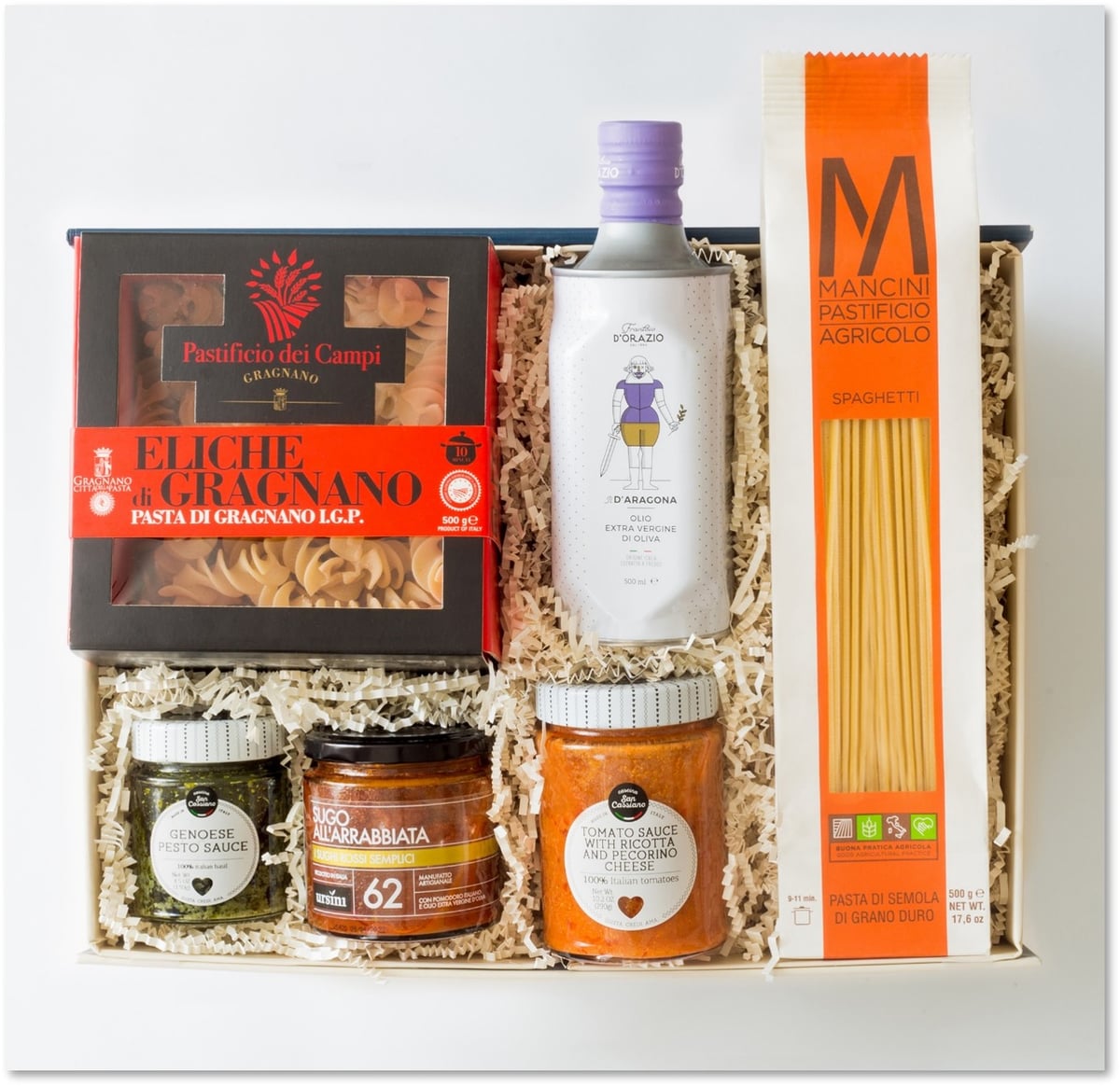
The Pasta 1-0-1 collection demonstrates how thoughtfully curated pasta gifts can introduce recipients to authentic Italian artisan producers while providing everything needed for memorable meals. These presentations honor both the products themselves and the people receiving them, acknowledging that food gifts carry emotional weight beyond their physical contents.
Creating Meaningful Food Experiences
Premium ingredients inspire different cooking approaches than everyday staples. When you've invested in bucatini mancini, you're more likely to source quality tomatoes, splurge on genuine Parmigiano-Reggiano, and take time to render guanciale properly. The pasta itself elevates your standards for accompanying ingredients, creating upward spirals of quality that transform routine weeknight dinners into occasions worth remembering.
This phenomenon extends to gift-giving scenarios. Presenting bucatini mancini alongside complementary artisan products-exceptional olive oil, aged balsamic, premium canned tomatoes-creates complete culinary experiences rather than isolated ingredients. The recipient understands immediately that thought and care went into selection, that you've provided them with tools for creating restaurant-quality meals at home.
Storage and Shelf Life Considerations
Dried pasta's legendary shelf stability makes it ideal for pantry stocking and gift-giving, but artisan products like bucatini mancini deserve proper storage to maintain optimal quality. The slow, low-temperature drying process that preserves flavor and nutrition also influences how the pasta ages and how it should be protected from environmental factors.
Store bucatini mancini in cool, dark, dry conditions away from heat sources, direct sunlight, and humidity fluctuations. Properly stored, the pasta maintains peak quality for 18-24 months, though it remains safe to consume considerably longer. The primary quality concern isn't safety but rather gradual flavor degradation and potential pest infiltration if packaging becomes compromised.
Once you've opened a package, transfer unused pasta to an airtight container to prevent moisture absorption and protect against pantry pests. Glass jars with rubber gaskets work beautifully, doubling as attractive kitchen displays that showcase the pasta's golden color and distinctive shape. Some cooks prefer opaque containers that block light entirely, reasoning that extended light exposure might fade the natural pigmentation over time.
Supporting Artisan Food Systems
Choosing bucatini mancini over commodity alternatives represents more than personal taste preference-it's a vote for specific agricultural and economic systems. Small-scale artisan producers operate under different constraints and priorities than industrial manufacturers, creating products that reflect values beyond profit maximization.
The Mancini family's commitment to bronze extrusion and traditional methods exemplifies how artisan producers prioritize quality over efficiency, accepting lower production volumes and higher labor costs to create superior products. This business model requires consumer support to remain viable in markets dominated by cheaper alternatives.
When you purchase artisan pasta, you're funding agricultural approaches that:
- Maintain genetic diversity in wheat cultivation
- Preserve traditional production knowledge and skills
- Support rural economies in regions facing depopulation
- Reduce industrial agriculture's environmental impacts
- Create transparent supply chains connecting consumers to producers
These broader impacts extend far beyond the immediate pleasure of eating excellent pasta. They represent conscious participation in food systems that prioritize sustainability, craftsmanship, and community resilience over pure economic efficiency.
Cooking as Cultural Practice
Italian cuisine teaches that the quality of individual ingredients matters profoundly, that careful sourcing and proper technique can transform simple dishes into transcendent experiences. Bucatini mancini embodies these principles perfectly-a humble shape elevated through agricultural integrity and production mastery into something approaching edible art.
The pasta invites us to slow down, to pay attention, to engage mindfully with cooking processes rather than treating meal preparation as obstacle between hunger and satiation. When you cook bucatini mancini, you're participating in traditions stretching back generations, honoring the Mancini family's dedication while creating your own food memories.
This cultural dimension separates artisan products from industrial commodities. Corporate gifting opportunities through curated Italian collections recognize that premium food gifts carry emotional resonance beyond their material value, creating connections through shared appreciation for quality and authenticity.
The Sensory Signature of Excellence
Exceptional pasta announces itself through multiple sensory channels before you even begin cooking. The color should be consistently golden throughout, free from white spots or streaks that indicate inferior grain or improper mixing. The surface texture reveals immediate information-rough and slightly matte for bronze-die pasta versus smooth and glossy for industrial alternatives.
Visual cues of quality bucatini mancini:
- Uniform golden-yellow color without artificial brightness
- Slightly rough, matte surface texture
- Consistent wall thickness around the hollow center
- Clean breaks without excessive crumbling or dust
- Package free from excessive broken pieces
During cooking, quality differences become even more apparent. Bucatini mancini releases a distinctly wheaty, almost nutty aroma that fills the kitchen with agricultural authenticity. The cooking water develops a pleasant starchiness without excessive cloudiness, indicating proper protein structure that releases starch gradually rather than disintegrating under heat.
Most tellingly, properly cooked bucatini mancini maintains remarkable textural integrity. Each strand offers satisfying resistance to the tooth-true al dente texture that creates pleasant chewing experience rather than simply providing a vehicle for sauce. The hollow center creates interesting textural variation within individual bites, with the outer shell offering slightly more resistance than the interior surfaces.
Bucatini mancini represents far more than premium pasta-it embodies agricultural integrity, production craftsmanship, and cultural authenticity in every golden strand. Whether you're cooking for yourself or sharing exceptional Italian ingredients with others, choosing artisan products supports food systems that prioritize quality and tradition. Tasty Ribbon connects you directly to Italy's finest artisan producers through curated collections and customizable gift options, transforming premium ingredients into meaningful expressions of care and appreciation. Explore their selection to discover how authentic Italian artisan products can elevate your cooking and gift-giving experiences.