There's a certain magic that happens when tradition meets innovation in Italian pasta making. Few shapes embody this beautiful collision quite like calamarata mancini, the ring-shaped pasta that recalls the golden circles of sliced calamari yet delivers a texture and flavor profile entirely its own. Created by Pastificio Mancini, a family operation in Italy's Marche region that has been perfecting the art of pasta since 1938, this distinctive shape has captured the hearts of chefs and home cooks worldwide who understand that not all pasta is created equal.
The Mancini Family Legacy Behind Calamarata Pasta
Pastificio Mancini represents four generations of dedication to a singular vision: producing pasta that honors Italian agricultural traditions while pushing boundaries of quality. Unlike industrial pasta producers who source grain from multiple suppliers, the Mancini family grows their own wheat on 500 hectares surrounding their pasta factory in Monte San Pietrangeli.
This farm-to-package approach creates an unprecedented level of control over the final product. The family cultivates specific wheat varieties selected for their protein content, gluten strength, and flavor characteristics. After harvest, the wheat is stored in temperature-controlled silos before being stone-ground at low speeds to preserve the wheat germ, which contains essential oils, vitamins, and nutrients typically lost in conventional milling.
Why Calamarata Stands Out
The calamarata shape itself tells a story of Neapolitan ingenuity. These thick rings, roughly the diameter of a euro coin, were designed to mimic the appearance of squid rings, creating visual harmony when paired with seafood-based sauces. The shape's engineering serves multiple purposes:
-
Sauce capture: The hollow center and ridged exterior trap sauces beautifully
-
Texture contrast: Thick walls provide satisfying bite while maintaining al dente integrity
-
Visual appeal: The rings create stunning presentations when carefully plated
-
Versatility: Works equally well with seafood, vegetables, or meat-based preparations
When Mancini applies their quality standards to this traditional shape, the result transcends ordinary pasta. Their calamarata maintains structural integrity during cooking, never becoming mushy or losing its shape, even when held in sauce.
What Makes Calamarata Mancini Different From Commercial Pasta
The distinction between calamarata mancini and mass-produced alternatives begins in the fields and extends through every production phase. Most commercial pasta uses only the endosperm of wheat, discarding the nutritious wheat germ because its oils can shorten shelf life. Mancini keeps the germ intact, resulting in pasta with a golden hue and complex, nutty flavor.
Their production methods further differentiate the final product. The pasta dough is extruded through bronze dies rather than Teflon, creating a rough, porous surface that grips sauce. This traditional technique requires more frequent die replacement and slows production, but the textural difference is immediately apparent.
| Production Factor |
Commercial Pasta |
Calamarata Mancini |
| Wheat Source |
Multiple suppliers |
Estate-grown |
| Milling Method |
High-speed steel rollers |
Slow stone-grinding |
| Wheat Germ |
Removed |
Retained |
| Extrusion Dies |
Teflon (smooth) |
Bronze (rough) |
| Drying Time |
6-8 hours |
24-36 hours |
The extended drying process deserves particular attention. While industrial producers use high temperatures to accelerate drying, Mancini employs low-temperature methods that can take up to 36 hours. This patient approach prevents protein degradation, preserves nutritional content, and creates pasta that releases less starch into cooking water.
Cooking Techniques for Perfect Calamarata Every Time
Achieving restaurant-quality results with calamarata mancini at home requires understanding a few fundamental principles. The pasta's thickness demands proper cooking time and technique.
The Water-to-Pasta Ratio
Use at least six quarts of water per pound of calamarata. The generous water volume prevents starch concentration from building up, which can cause the pasta to stick together. Salt the water generously-it should taste like the sea. This is your only opportunity to season the pasta itself from within.
Bring water to a rolling boil before adding pasta. Add all the calamarata at once and stir immediately to prevent rings from nesting inside each other. Stir again after two minutes, then occasionally throughout cooking.
Timing and Testing
Package directions provide a starting point, but your palate provides the final verdict. Begin testing two minutes before the suggested cooking time. Properly cooked calamarata should offer resistance when bitten but no chalky, uncooked core. The Italian term "al dente" literally means "to the tooth," describing this perfect texture.
For dishes where pasta will finish cooking in sauce, remove the calamarata one minute earlier than full doneness. This allows the pasta to absorb sauce flavors while reaching perfect texture.
The Pasta Water Secret
Reserve at least two cups of pasta cooking water before draining. This starchy, salted liquid becomes the binding agent that transforms separated sauce and pasta into a cohesive dish. Add it tablespoon by tablespoon while tossing pasta with sauce until achieving the desired consistency.
Traditional and Modern Pairing Ideas
Calamarata's Neapolitan origins make it a natural partner for seafood preparations, but its versatility extends far beyond the coast. The shape's architectural presence elevates both simple and complex preparations.
Classic Seafood Preparations:
- Calamarata with squid, cherry tomatoes, and white wine
- Clam and bottarga version with garlic and parsley
- Mixed seafood with saffron cream sauce
- Mussels, nduja, and tomato with basil
Vegetable-Forward Options:
- Roasted eggplant, tomato, and salted ricotta
- Zucchini flowers, lemon, and Parmigiano cream
- Seasonal mushrooms with thyme and truffle oil
- Caramelized fennel with orange zest and pine nuts
The calamarata shape particularly excels in preparations where the sauce contains chunky elements similar in size to the pasta rings. This creates textural variety and visual interest in every forkful.
For those building their Italian pantry, exploring quality pasta varieties like spaghetti from Mancini reveals the consistent excellence this producer brings to every shape they craft.
Incorporating Calamarata Into Gift Giving
Artisan pasta like calamarata mancini represents the kind of meaningful gift that communicates thoughtfulness and sophistication. Unlike consumables that arrive and disappear, quality pasta invites the recipient into an experience, offering multiple opportunities to create memorable meals.
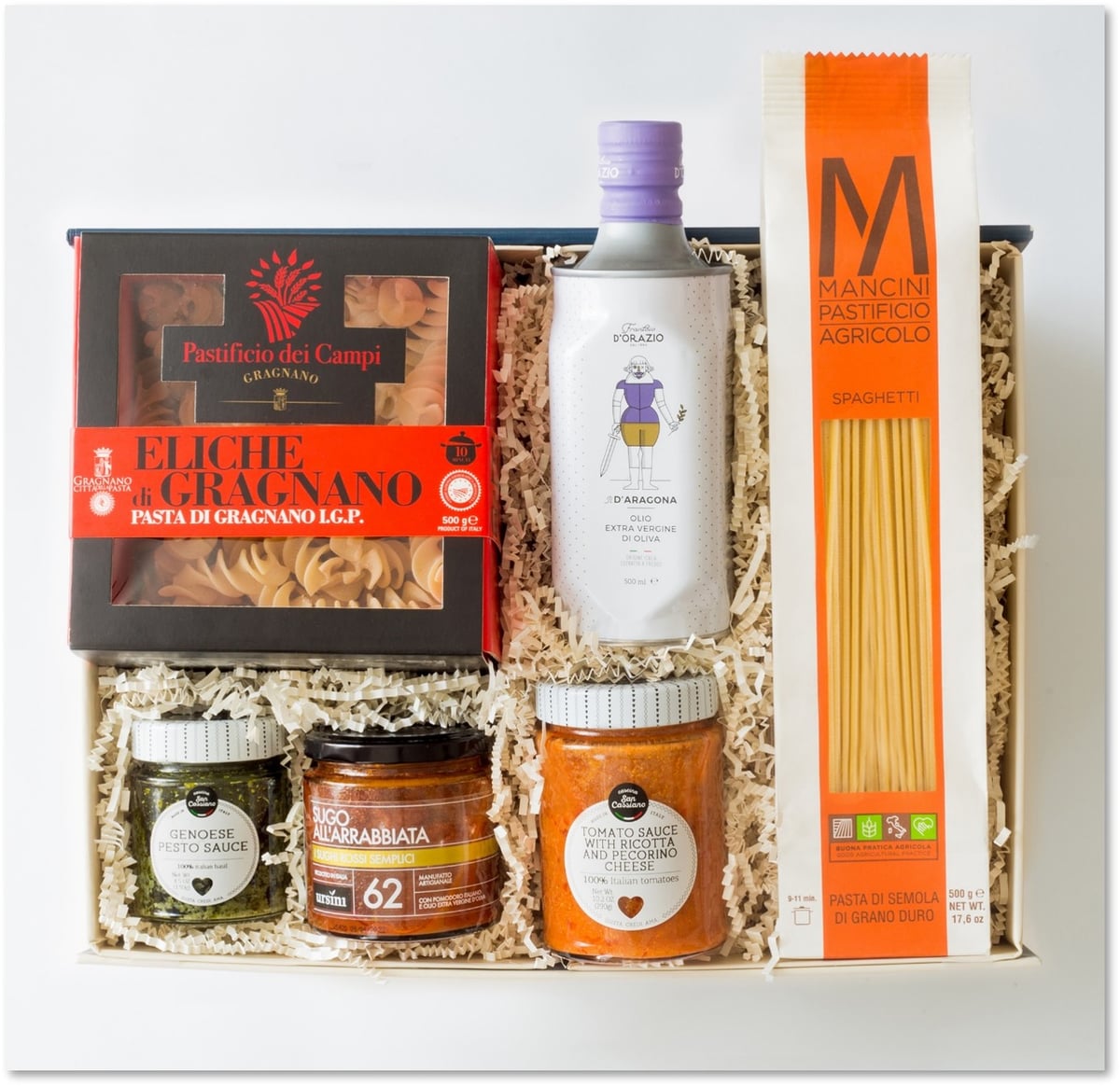
When assembling Italian food gifts, consider building complete meal experiences around the pasta. Pair calamarata with complementary ingredients that create a cohesive culinary story:
- Estate-produced extra virgin olive oil for finishing
- Artisan tomato sauce or quality canned tomatoes
- Aged cheese for grating
- Specialty ingredients like bottarga or high-quality anchovies
The presentation matters as much as the contents. Quality ingredients deserve beautiful packaging that communicates the care invested in selection. For those seeking perfectly curated Italian gift experiences, resources like corporate gifting programs offer professionally designed options that showcase authentic artisan products.
The Economics of Artisan Pasta
Quality commands appropriate pricing, and calamarata mancini costs significantly more than supermarket alternatives. Understanding the value proposition helps justify the investment. A typical pound of commercial pasta might cost two to three dollars, while Mancini's products range from eight to twelve dollars per pound.
Value Beyond Price:
Consider what you're actually purchasing. The price reflects estate-grown wheat, traditional milling, bronze-die extrusion, slow drying, and generations of expertise. It accounts for agricultural practices that prioritize soil health over maximum yield. It compensates craftspeople who maintain traditional skills in an increasingly automated industry.
From a practical standpoint, the superior quality means you'll use less pasta per serving because its density and substance provide greater satisfaction. The enhanced flavor means simpler sauces work beautifully, reducing the need for expensive secondary ingredients.
Storage and Shelf Life Considerations
Proper storage extends the life of your calamarata mancini investment and preserves its quality characteristics. The retained wheat germ that provides superior flavor and nutrition also makes the pasta slightly more perishable than commercial alternatives.
Store unopened packages in a cool, dark pantry away from heat sources and direct sunlight. The oils in the wheat germ can oxidize if exposed to warmth and light, developing off flavors. Properly stored, unopened Mancini pasta maintains peak quality for 12 to 18 months.
Once opened, transfer remaining pasta to an airtight container. Glass jars with tight-sealing lids work exceptionally well. Label with the production date if visible on the original package. Use opened pasta within six months for best results.
Never refrigerate dried pasta, as humidity exposure can encourage mold growth and texture degradation. The pantry environment provides ideal conditions for maintaining quality.
Regional Context and Cultural Significance
Understanding calamarata's place in Italian culinary geography enriches appreciation for the shape. While Mancini produces their pasta in Marche, the calamarata form originates from Campania, specifically Naples and the Amalfi Coast. This region's access to pristine Mediterranean seafood inspired shapes designed to complement marine flavors.
The name itself provides linguistic insight into Italian food culture. "Calamarata" derives from "calamari," connecting the pasta's visual appearance to its traditional pairing. This nomenclature tradition appears throughout Italian pasta taxonomy, where names often reference appearance (farfalle means butterflies), origin (bolognese), or traditional uses.
In coastal Campanian homes, calamarata appears frequently during Sunday family meals and celebratory occasions. The shape signals effort and care, transforming everyday dining into something special. When served to guests, it communicates respect and hospitality.
Quality Indicators When Selecting Calamarata
Not all calamarata delivers equal results, even when comparing artisan producers. Developing an eye for quality helps ensure satisfaction with your purchase.
Visual Assessment:
Examine the pasta's color. Quality calamarata displays a rich, golden hue with slight color variation between pieces, indicating wheat germ retention and traditional processing. Avoid pasta with uniform pale coloring or bright yellow artificial appearance.
Check for consistency in size and shape. While slight variation is normal in artisan production, rings should be uniformly thick and properly formed. Excessive broken pieces suggest handling issues or production problems.
Textural Evaluation:
Quality dried pasta feels substantial and dense in hand. It should snap cleanly rather than crumbling when broken. The broken edge should show a fine grain rather than a chalky, floury appearance.
Examine the surface closely. Bronze-die extruded pasta displays a rough, matte finish that catches light differently than smooth, shiny commercial pasta. This surface texture directly impacts sauce adhesion.
Package Information:
Read the ingredient list. It should contain only two items: durum wheat semolina and water. Some producers add "wheat germ" as a separate ingredient to highlight its inclusion. Avoid pasta listing eggs unless specifically purchasing egg-based fresh pasta.
Check for production details. Quality producers typically include information about wheat sources, production methods, and family history. This transparency demonstrates pride in craft and commitment to authenticity.
Preparing Calamarata for Entertaining
When planning dinner parties or special gatherings, calamarata mancini provides an impressive centerpiece that accommodates various dietary preferences and entertaining styles. The shape's visual drama creates restaurant-worthy presentations with relatively simple techniques.
For plated service, use a carving fork to twirl a portion of dressed pasta into a nest shape before transferring to warmed plates. Position the pasta off-center and arrange protein or vegetables artfully around it. Finish with a drizzle of high-quality extra virgin olive oil and fresh herb garnish.
For family-style service, choose a beautiful serving bowl that complements your table setting. Dress the pasta just before serving to maintain ideal texture and temperature. Provide serving utensils that allow guests to portion easily without disrupting the presentation.
Consider offering complementary elements on the side: freshly grated cheese, additional sauce, crushed red pepper, or finishing oil. This allows guests to customize their experience while maintaining the dish's integrity.
The Future of Artisan Pasta Production
Small-scale producers like Pastificio Mancini face ongoing challenges in maintaining traditional methods while meeting modern market demands. Consumer education plays a crucial role in sustaining these operations. When customers understand the difference between artisan and industrial pasta, they make informed purchasing decisions that support quality production.
The growing interest in authentic Italian products, supported by resources like gourmet gift collections, creates opportunities for small producers to reach new audiences. Digital platforms connect artisans directly with consumers who value their craft, bypassing traditional distribution limitations.
Environmental considerations increasingly influence production decisions. Mancini's integrated farming approach, where wheat production and pasta manufacturing occur on the same property, minimizes transportation impacts. Their traditional methods consume less energy than industrial alternatives, creating a smaller carbon footprint per pound of pasta produced.
The next generation of the Mancini family continues innovating while respecting tradition. They experiment with heritage wheat varieties, explore sustainable packaging alternatives, and refine production techniques without compromising the quality standards that define their brand. This balance between tradition and innovation ensures calamarata mancini will continue delighting pasta lovers for generations to come.
Calamarata mancini represents more than exceptional pasta. It embodies a philosophy of quality, tradition, and respect for ingredients that transforms everyday meals into celebrations of Italian culinary heritage. When you're ready to share this experience with someone special or elevate your own pantry with authentic Italian artisan products, Tasty Ribbon offers carefully curated selections that bring Italy's finest craftsmanship directly to your table. Each product tells a story of dedication, connecting you to the passionate artisans who keep these traditions alive.