There's a moment when you first taste truly exceptional pasta that changes everything you thought you knew. The difference between industrial noodles and artisanal pasta isn't subtle-it's transformative. Among Italy's finest pasta makers, Pastificio Mancini stands as a beacon of tradition, family dedication, and agricultural excellence. Their fusilli Mancini represents more than spiraled durum wheat; it embodies three generations of wheat farming, careful milling, and unwavering commitment to quality that you can taste in every bite.
The Mancini Family Legacy Behind Every Spiral
Pastificio Mancini operates differently from virtually every other pasta producer in Italy. The Mancini family grows their own grain on over 500 hectares of land in Italy's Marche region, controlling every step from seed to package. This vertical integration means the wheat that becomes fusilli Mancini never leaves family hands until it reaches your kitchen.
Massimo Mancini represents the third generation of this farming dynasty. His grandfather purchased the farm in 1938, and the family began producing pasta in 1938. What started as a necessity-finding the best use for their exceptional wheat-evolved into a passion for creating Italy's finest pasta.
From Field to Mill: The Wheat Makes the Difference
The foundation of exceptional fusilli Mancini begins in the soil. The family cultivates specific durum wheat varieties selected for flavor, protein content, and gluten structure. They follow sustainable farming practices, rotating crops and allowing fields to rest.
Key aspects of Mancini's wheat cultivation:
- Dedicated durum wheat varieties chosen for pasta production
- Crop rotation maintaining soil health and nutrition
- Harvesting only when grain reaches optimal moisture content
- On-site storage ensuring freshness and quality control
According to their milling philosophy, the Mancini family mills their wheat fresh for each production run. This practice, nearly unheard of in commercial pasta production, preserves the wheat's natural oils, aromatics, and nutritional value that deteriorate rapidly after milling.
What Makes Fusilli Mancini Structurally Superior
The distinctive spiral shape of fusilli has been beloved throughout Italy for centuries. Originally hand-rolled around thin rods in southern regions, modern fusilli gains its characteristic twist through extrusion. But the method of extrusion determines everything about the final pasta's quality and performance.
Fusilli Mancini passes through bronze dies during production-a traditional technique that creates a rough, porous surface texture. This bronze extrusion process forms microscopic ridges along every surface of the pasta spiral. When cooked, these ridges grip sauce tenaciously, creating the perfect marriage of pasta and condiment.
| Bronze Die Pasta |
Teflon Die Pasta |
| Rough, porous texture |
Smooth, glossy surface |
| Superior sauce adhesion |
Sauce slides off easily |
| Rustic, artisanal appearance |
Uniform, industrial look |
| Slower, costlier production |
Fast, economical process |
| Develops complex flavor |
Neutral, bland taste |
The difference between bronze-cut and Teflon-die pasta extends beyond aesthetics. Industrial pasta producers favor Teflon dies because they're faster and require less maintenance. Bronze dies wear down over time and slow production, but they create pasta with soul.
The Low-Temperature Drying Advantage
After extrusion, fusilli Mancini undergoes slow drying at low temperatures-typically between 33-38°C over 24-36 hours. This extended drying process preserves the wheat's nutritional integrity and develops deeper, more complex flavors.
According to research on why bronze-cut pasta delivers superior quality, high-temperature industrial drying (up to 90°C) damages proteins and eliminates volatile aromatic compounds. Low-temperature drying maintains the pasta's structural integrity, resulting in better texture, more authentic wheat flavor, and improved cooking performance.
Cooking Fusilli Mancini to Perfection
Premium artisan pasta deserves careful preparation to showcase its qualities. Fusilli Mancini behaves differently than supermarket pasta-it's more forgiving, maintains better texture, and delivers richer flavor.
Steps for perfect fusilli Mancini:
- Use abundant salted water (at least 4 liters per 500g pasta)
- Bring water to vigorous boil before adding pasta
- Stir immediately after adding pasta to prevent sticking
- Cook 1-2 minutes less than package directions for al dente texture
- Reserve 1 cup pasta cooking water before draining
- Toss immediately with sauce, adding pasta water to adjust consistency
The spiral structure of fusilli Mancini makes it exceptionally versatile. Those tight coils capture chunky vegetable sauces, cream-based preparations, and oil-based condiments equally well. The pasta's sturdy texture holds up beautifully in baked dishes and pasta salads without becoming mushy.
Perfect Pairings for Fusilli Mancini
Choosing the right sauce elevates fusilli Mancini from excellent to transcendent. The pasta's robust structure and pronounced wheat flavor complement both delicate and bold preparations.
Classic Tomato-Based Sauces
A simple tomato sauce with fresh basil allows fusilli Mancini's wheat character to shine while the spirals trap chunks of tomato and ribbons of basil. The pasta's rough surface picks up every bit of sauce, ensuring each bite delivers balanced flavor.
Pesto and Oil-Based Preparations
Ligurian basil pesto finds its perfect partner in fusilli. The spirals' deep grooves hold basil, pine nuts, and cheese in suspension, while the pasta's natural flavor complements the sauce's herbaceous notes. The spaghettoni variety from the same producer works beautifully with similar preparations.
Cream and Cheese Sauces
Fusilli Mancini stands up magnificently to rich, indulgent preparations. The pasta's texture prevents cream sauces from sliding off, while its wheaty backbone balances dairy's richness. A four-cheese sauce or carbonara becomes something extraordinary when paired with quality fusilli.
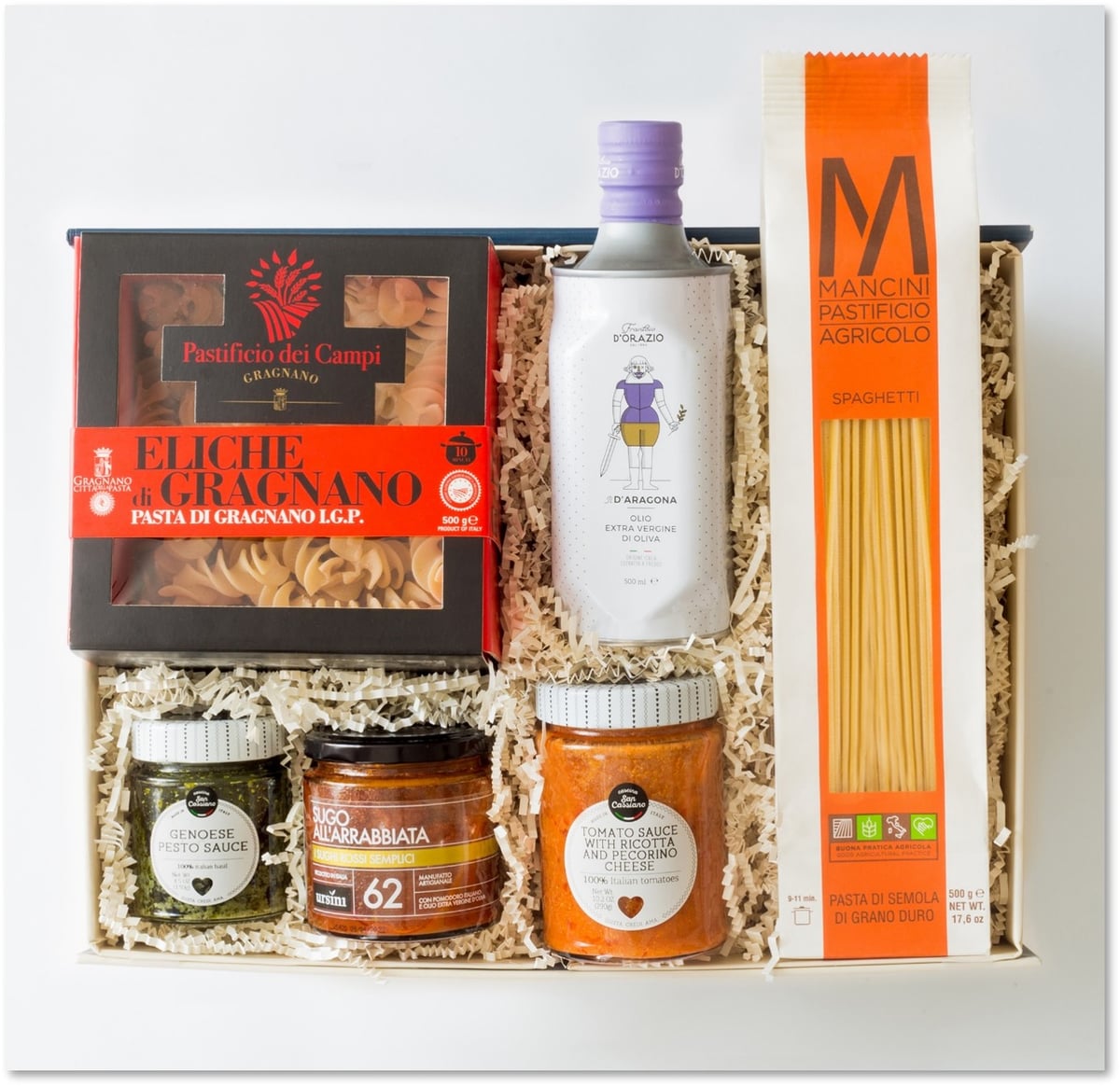
For those assembling an authentic Italian pasta experience, premium ingredients make all the difference. Tasty Ribbon curates exceptional products that complement artisan pasta, from aged Parmigiano Reggiano to estate-bottled extra virgin olive oils.
Gifting Fusilli Mancini: Sharing Italian Excellence
Artisan pasta like fusilli Mancini transcends mere ingredients-it becomes a gift of experience, tradition, and culinary joy. When you present someone with Mancini pasta, you're offering them a taste of Italy's agricultural heritage and the opportunity to create memorable meals.
Why fusilli Mancini makes an exceptional gift:
- Represents authentic Italian craftsmanship and tradition
- Delivers restaurant-quality results at home
- Creates opportunities for shared cooking experiences
- Pairs beautifully with complementary gourmet ingredients
- Appeals to both experienced cooks and enthusiastic beginners
Consider pairing fusilli Mancini with complementary artisan products for a complete Italian pantry gift. Premium extra virgin olive oil, aged balsamic vinegar, and quality Parmigiano Reggiano transform the pasta into a complete culinary experience. The bucatini from Pastificio Mancini offers another excellent shape option for varied preparations.
Creating Memorable Gift Presentations
Thoughtful presentation elevates fusilli Mancini from pantry staple to treasured gift. Package the pasta alongside recipe cards featuring classic Italian preparations, or include specialty ingredients for a complete meal kit. A beautiful wooden serving bowl or quality cheese grater adds functional elegance.
For corporate gifting or special occasions, consider assembling a collection of different Mancini pasta shapes. This allows recipients to explore how various formats interact with different sauces while maintaining the consistent quality that defines the Mancini brand. Explore additional corporate gifting options that showcase authentic Italian craftsmanship.
The Sustainability Story Behind Fusilli Mancini
Modern consumers increasingly value sustainability and environmental stewardship alongside quality and flavor. Pastificio Mancini's integrated approach naturally aligns with sustainable food production principles.
The family's control over their entire production chain minimizes transportation, reduces packaging waste, and eliminates intermediaries. Growing their own wheat means they can implement regenerative agricultural practices, maintain soil health, and avoid industrial farming's environmental costs.
Slow Food, Slow Production
Mancini's production philosophy mirrors the Slow Food movement's values-prioritizing quality over quantity, tradition over convenience, and sustainability over industrial efficiency. Their commitment to low-temperature drying and bronze extrusion requires more time and energy per batch, but the results justify these investments.
The pasta's longer shelf life due to proper drying also reduces food waste. High-quality pasta maintains its integrity for years when properly stored, unlike industrial products that deteriorate rapidly.
Exploring the Broader Mancini Range
While fusilli Mancini represents excellence in spiral pasta, Pastificio Mancini produces other exceptional shapes worth discovering. Each format showcases the same wheat quality, production methods, and family dedication that define their fusilli.
Mancini pasta varieties to explore:
- Spaghetti and spaghettoni for classic preparations
- Penne rigate for chunky vegetable sauces
- Paccheri for seafood and cream sauces
- Lasagne sheets for baked dishes
- Short formats for pasta salads and soups
The family continuously refines their production techniques while honoring traditional methods. This balance between innovation and tradition ensures every pasta format delivers the quality and performance that made Mancini famous among chefs and home cooks worldwide.
Understanding Premium Pasta Economics
Fusilli Mancini costs significantly more than supermarket pasta-often three to five times the price of industrial brands. This price difference reflects fundamental distinctions in production methods, ingredient quality, and agricultural practices.
| Cost Factor |
Industrial Pasta |
Fusilli Mancini |
| Wheat source |
Commodity markets, multiple origins |
Estate-grown, single origin |
| Milling |
Large industrial mills, stored flour |
Fresh-milled for each batch |
| Extrusion |
Teflon dies, high speed |
Bronze dies, slow process |
| Drying |
High temperature (70-90°C), 2-6 hours |
Low temperature (33-38°C), 24-36 hours |
| Production volume |
Tons per hour |
Hundreds of kilograms per batch |
The investment in premium pasta pays dividends in cooking performance, flavor complexity, and textural satisfaction. A smaller portion of quality pasta delivers greater satisfaction than larger servings of industrial products.
Regional Context: Marche's Agricultural Heritage
The Marche region, where Mancini cultivates their wheat and produces fusilli, occupies a unique position in Italian agriculture and cuisine. Situated between the Apennine Mountains and the Adriatic Sea, Marche enjoys ideal conditions for grain cultivation.
The region's rolling hills, moderate climate, and fertile soils have supported wheat farming since Roman times. Today, Marche maintains strong agricultural traditions while embracing sustainable practices and quality-focused production.
Understanding fusilli Mancini requires appreciating this regional context. The pasta doesn't just come from Italy-it emerges from specific soil, particular weather patterns, and generations of agricultural knowledge unique to this landscape.
Connecting Consumers to Italian Terroir
Just as wine enthusiasts appreciate terroir's influence on flavor, pasta lovers benefit from understanding how geography shapes grain quality. The concept of terroir extends beyond grapes to encompass all agricultural products, including durum wheat.
Mancini's commitment to estate-grown wheat creates pasta with genuine sense of place. Each batch of fusilli Mancini carries the characteristics of that year's growing season, the specific wheat varieties planted, and the family's agricultural decisions.
Storing and Handling Premium Pasta
Fusilli Mancini's quality deserves proper storage to maintain its integrity. While dried pasta remains shelf-stable for extended periods, optimal storage preserves flavor, aroma, and cooking performance.
Store unopened packages in a cool, dry pantry away from direct sunlight and strong odors. Once opened, transfer pasta to airtight containers, preferably glass or ceramic. Avoid plastic containers that may impart flavors or allow moisture penetration.
Storage best practices:
- Maintain consistent temperature below 25°C
- Protect from humidity and temperature fluctuations
- Keep away from spices and aromatic ingredients
- Check periodically for signs of moisture or pests
- Use within 18-24 months of purchase for optimal flavor
Quality pasta like fusilli Mancini doesn't require refrigeration and actually performs better when stored at room temperature. Cold storage can introduce moisture when the package returns to room temperature, potentially affecting texture.
Fusilli Mancini represents pasta-making at its finest-where agricultural excellence, traditional methods, and family dedication converge to create something truly exceptional. Understanding what distinguishes this artisan pasta helps you appreciate the craft behind each spiral and make informed choices when selecting ingredients for your kitchen or choosing meaningful gifts. Tasty Ribbon specializes in curating authentic Italian artisanal products like fusilli Mancini, creating beautifully presented gift boxes that connect you and your loved ones to Italy's rich culinary heritage through carefully selected, premium ingredients that transform everyday meals into celebrations of Italian excellence.