There's a moment in every home cook's journey when they realize not all pasta is created equal. You might be standing in an Italian market, fingers running over bronze-rough ribbons of linguine, when it hits you: this is different. This is linguine Mancini, and it represents everything extraordinary about Italian artisanal food production. Born from wheat fields in the Marche region, nurtured by three generations of the Mancini family, and crafted with methods that honor centuries of tradition, this pasta transforms an ordinary weeknight dinner into something approaching reverence.
The Mancini Family Legacy Behind Every Strand
When Massimo Mancini speaks about pasta, he's talking about something far deeper than dinner. The Mancini family's story begins in the wheat fields surrounding their Marche estate, where they've cultivated durum wheat since 1938. Unlike industrial pasta producers who purchase grain from commodity markets, the Mancini family grows their own wheat on 370 acres of certified organic farmland. This complete control over the supply chain means every strand of linguine Mancini begins as a carefully selected seed planted in soil the family knows intimately.
The production philosophy embraced by Pastificio Mancini sets them apart in an industry increasingly dominated by efficiency over excellence. They maintain absolute transparency from field to package, documenting protein levels, wheat varieties, and storage conditions in annual harvest bulletins. This dedication to quality control ensures consistency year after year, even as weather patterns shift and growing seasons change.
Estate-Grown Durum Wheat Makes the Difference
The foundation of exceptional linguine Mancini lies beneath the surface-literally. The durum wheat varieties cultivated on the Mancini estate develop higher protein content than commodity wheat, typically ranging between 14-16%. This elevated protein creates the structural integrity that allows linguine to maintain its al dente texture through cooking and sauce finishing.
Key characteristics of Mancini's wheat cultivation:
- Organic certification ensuring no synthetic pesticides or fertilizers
- Crop rotation practices that enrich soil health naturally
- Selective harvesting when wheat reaches peak maturity
- On-site milling within hours of harvest to preserve nutritional value
- Climate-controlled storage that protects grain quality
The proximity of mill to field matters more than most consumers realize. Industrial pasta makers often work with wheat that's been stored for months or shipped across continents. Mancini mills their wheat within their own facility, preserving the fresh, nutty characteristics that make artisanal pasta so distinctive.
Bronze Dies and Slow Drying: The Art of Texture
Walk into a modern pasta factory and you'll see stainless steel dies churning out smooth, glossy noodles at remarkable speed. Walk into Pastificio Mancini and you'll witness a different philosophy entirely. The bronze dies used to extrude linguine Mancini create a rough, porous surface that grips sauce with tenacity. This texture, called "trafilatura al bronzo" in Italian, represents one of the most significant differences between artisanal and industrial pasta.
The die-cutting process determines not just surface texture but also the pasta's structural integrity. Bronze dies require more pressure and slower extrusion speeds than Teflon-coated alternatives, but they create microscopic ridges along every millimeter of the linguine's surface. These ridges act like tiny sauce reservoirs, ensuring every bite delivers balanced flavor rather than naked pasta with sauce pooling on the plate.
| Feature |
Mancini Bronze-Die |
Industrial Teflon-Die |
| Surface Texture |
Rough, porous |
Smooth, glossy |
| Sauce Adhesion |
Excellent |
Poor to moderate |
| Drying Time |
36-48 hours |
2-6 hours |
| Temperature |
98°F maximum |
160°F+ |
| Protein Retention |
Maximum |
Reduced |
| Flavor Complexity |
Rich, nutty |
Neutral |
The Low-Temperature Drying Revolution
After extrusion, patience becomes the defining virtue. While industrial producers blast pasta with high heat to accelerate drying, Mancini maintains temperatures below 98°F throughout a 36-48 hour drying period. This gentle approach preserves the wheat's inherent flavors, prevents protein degradation, and maintains the pasta's pale golden color. The result tastes distinctly of wheat-earthy, slightly sweet, with a complexity that complements rather than competes with your sauce.
Detailed guidance on cooking artisan Mancini pasta emphasizes timing and technique, particularly the importance of achieving al dente texture and finishing linguine in the sauce rather than simply topping it.
Why Linguine Works Perfectly with Mancini's Methods
Among the many pasta shapes Mancini produces, linguine holds particular significance. This flat, ribbon-like noodle originated in Genoa, traditionally paired with seafood and light sauces that benefit from the pasta's moderate width and elegant form. The shape measures approximately 3-4 millimeters wide-narrower than fettuccine but broader than spaghetti-creating ideal surface area for sauce adhesion without overwhelming delicate ingredients.
Linguine Mancini embodies the perfect marriage of form and production method. The bronze-die extrusion creates four distinct surfaces on each strand: two broad faces and two narrow edges, all textured with microscopic ridges. When you twirl linguine Mancini on your fork, the ribbons catch sauce in the curves and crevices, delivering harmonious bites where pasta and condiment become inseparable.
Michelin-starred chefs recognize these qualities. Recent guidance from chef Nino Di Costanzo emphasizes that bronze-die linguine's medium width makes it ideal for seafood preparations, where each strand can capture fragments of shellfish and pools of olive oil-based sauce without becoming heavy.
Cooking Linguine Mancini to Perfection
The ritual of preparing linguine Mancini deserves attention equal to its production. Start with abundant water-at least five quarts per pound of pasta-and season it generously. The rough surface of Mancini linguine requires slightly more salt than industrial pasta, as the porous texture absorbs more of the cooking water's seasoning.
Essential cooking steps:
- Bring water to a rolling boil before adding pasta
- Salt water until it tastes pleasantly briny (approximately 1.5 tablespoons per gallon)
- Add linguine and stir immediately to prevent sticking
- Cook for 6-7 minutes, testing frequently for al dente texture
- Reserve two cups of pasta water before draining
- Transfer linguine directly to your sauce pan while still dripping
- Finish cooking in the sauce for 1-2 minutes, adding pasta water as needed
The detailed guide from The French Pantry provides specific timing recommendations and emphasizes the importance of that final sauce-finishing step. This technique, called "mantecatura" in Italian, creates an emulsified coating that binds pasta and condiment into unified excellence.
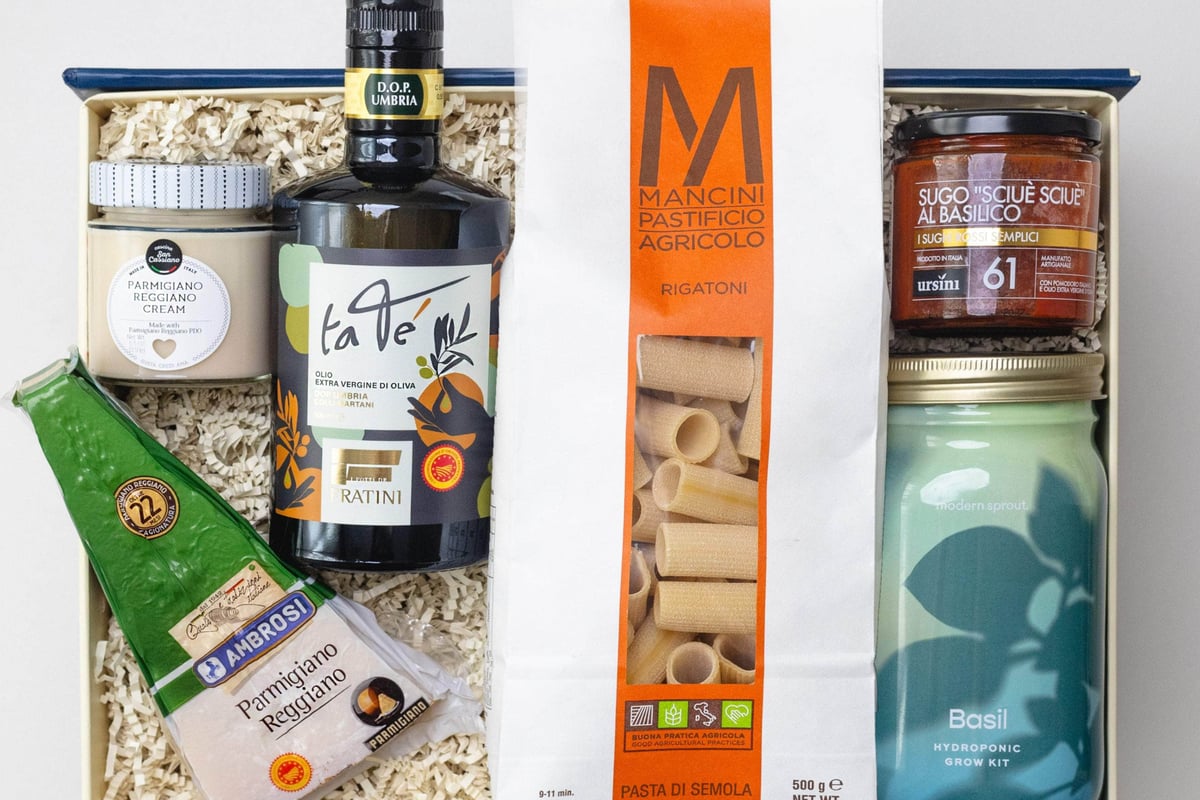
For those building a collection of exceptional Italian ingredients, curated options like the Pasta Master box bring together artisanal pasta, premium extra virgin olive oil, and authentic sauces that complement Mancini's quality perfectly. Such thoughtfully assembled collections demonstrate how extraordinary ingredients elevate everyday cooking into memorable experiences.
Pairing Linguine Mancini with Regional Italian Sauces
The beauty of linguine Mancini lies in its versatility. While traditional pairings lean toward seafood and light sauces, the pasta's robust structure supports a broader repertoire than many cooks realize. The elevated protein content and bronze-die texture mean linguine Mancini won't dissolve into mush under weightier preparations the way delicate artisanal pastas sometimes do.
Classic Combinations
Ligurian pesto alla Genovese represents the quintessential linguine pairing. The pasta's flat ribbons distribute basil, pine nuts, Parmigiano Reggiano, and olive oil evenly across every surface. When making pesto for Mancini linguine, thin the sauce slightly more than usual with reserved pasta water-the porous texture will absorb excess moisture, creating the perfect creamy consistency.
Seafood preparations that highlight linguine Mancini:
- Vongole (clams) with white wine, garlic, and parsley
- Scampi with cherry tomatoes and fresh basil
- Mussels in saffron-infused tomato broth
- Bottarga (cured fish roe) with lemon and olive oil
- Mixed shellfish with chili flakes and breadcrumbs
For elevated experiences, consider pairing linguine with white truffle and porcini mushroom sauce, where the pasta's nutty wheat flavors complement earthy fungi without competing for attention.
Modern Interpretations
Contemporary Italian chefs have expanded linguine's traditional repertoire, recognizing that Mancini's structural integrity supports innovation. Creamy carbonara variations, traditionally reserved for shorter pasta shapes, work beautifully when the egg-and-cheese sauce clings to bronze-textured linguine. Vegetable-forward preparations featuring roasted peppers, eggplant, or zucchini gain sophistication when the pasta itself contributes distinct flavor rather than serving as neutral vehicle.
The harvest data from 2022 shows protein levels reaching 15.2% in some wheat varieties, providing the structural support necessary for these creative applications while maintaining authentic Italian character.
The Gift of Exceptional Pasta
Understanding what makes linguine Mancini special transforms how we think about gifting. When you present someone with artisanal pasta, you're offering more than ingredients-you're sharing access to agricultural heritage, generational expertise, and the possibility of creating restaurant-quality meals at home. This makes high-quality pasta an ideal component of Italian gourmet gift baskets that celebrate authentic flavors and artisan craftsmanship.
For hosts and food enthusiasts, receiving Mancini pasta communicates thoughtfulness. It suggests the giver recognizes their appreciation for quality, understands the difference between commodity and craft, and wants to contribute to memorable culinary experiences. Paired with premium olive oil, aged cheese, or specialty sauces, linguine Mancini becomes the centerpiece of a complete Italian meal kit.
Building Complete Italian Experiences
Specialty retailers like Goodmansion Wines emphasize serving suggestions that treat Mancini pasta as the foundation for complete regional experiences. Their recommendations often include complementary ingredients that highlight the pasta's terroir-wines from Marche, olive oils from neighboring regions, and cheeses that share the same commitment to traditional production methods.
Consider these thoughtful pairings when gifting or serving linguine Mancini:
| Linguine Preparation |
Complementary Elements |
Regional Connection |
| Seafood linguine |
Vermentino wine, Ligurian olive oil |
Coastal traditions |
| Pesto linguine |
Pecorino cheese, Ligurian basil |
Genoa heritage |
| Truffle linguine |
Sangiovese wine, aged Parmigiano |
Central Italy |
| Vegetable linguine |
Prosecco, herb-infused oil |
Northern gardens |
Storing and Preserving Quality
Linguine Mancini's exceptional shelf life stems from the same low-temperature drying that preserves flavor. Properly stored in a cool, dark pantry, sealed packages maintain peak quality for two years or more. Once opened, transfer remaining pasta to an airtight container and use within six months for optimal taste and texture.
The pale golden color of Mancini linguine serves as a visual quality indicator. Unlike bleached industrial pasta, which appears uniform ivory, artisanal linguine displays subtle variations in shade-evidence of minimal processing and preserved wheat character. Any darkening or off-odors signal deterioration, though such issues rarely occur given the pasta's natural preservation through thorough drying.
Storage best practices:
- Keep sealed packages in pantry away from heat sources
- Avoid humid environments that can promote mold growth
- Transfer opened pasta to glass or ceramic containers with tight lids
- Store away from aromatic ingredients that might impart flavors
- Check periodically for any signs of insect activity
For those building comprehensive Italian pantries, exploring wide varieties of artisanal pasta alongside linguine creates opportunities to match shapes with specific preparations, honoring regional traditions while expanding culinary repertoires.
The True Cost of Quality
Linguine Mancini commands premium pricing compared to supermarket alternatives, typically ranging from twelve to eighteen dollars per pound. This investment reflects genuine value rather than marketing premium. When you calculate cost per serving-approximately two to three dollars-the expense becomes reasonable for special occasions and dinner parties where quality matters.
The price differential also acknowledges hidden costs that industrial producers externalize. Organic farming practices require more labor and yield smaller harvests. Bronze dies wear out faster than Teflon alternatives, requiring regular replacement. Extended drying times mean slower production and higher energy costs, even at low temperatures. The Mancini family absorbs these expenses to maintain standards rather than compromising quality for margin.
For consumers committed to supporting sustainable agriculture and preserving artisanal food traditions, purchasing linguine Mancini represents values-aligned spending. Every package directly supports a family farm practicing regenerative agriculture, maintaining local employment, and demonstrating that alternative production models remain viable in an industrialized food system.
Beyond Linguine: The Mancini Portfolio
While linguine represents one of Mancini's most versatile offerings, their complete range deserves exploration. The family produces over twenty pasta shapes using identical wheat and methods, from delicate capellini to substantial pappardelle. Each shape honors specific regional traditions and sauce pairings, providing opportunities to deepen your understanding of Italian culinary heritage.
Spaghettoni by Mancini showcases the family's expertise with thicker strands that require even more precise drying. Short shapes like rigatoni and penne demonstrate how bronze-die extrusion creates superior sauce-capturing ridges on tubular pasta. Exploring the full portfolio reveals how production methods interact with form, creating distinct experiences across the entire catalog.
Connecting to Italian Authenticity
What makes linguine Mancini meaningful extends beyond taste and texture. In an era of industrial food production, disconnect from agricultural origins, and standardized flavors, Mancini pasta represents tangible connection to place, people, and process. When you cook with their linguine, you're participating in a story that begins in Marche wheat fields and concludes at your dinner table, with every step documented and transparent.
This authenticity matters increasingly to consumers seeking alternatives to anonymous commodity products. The ability to trace your pasta back to specific fields, understand the farming practices employed, and know the family behind production creates relationship rather than transaction. Such connections transform everyday cooking into acts of cultural preservation and values expression.
For those passionate about Italian culinary traditions, building relationships with artisan producers like Mancini enriches understanding of regional diversity, seasonal rhythms, and the expertise required to create truly exceptional ingredients. These insights deepen appreciation for Italian cuisine beyond recipes and techniques, revealing the agricultural and cultural foundations that make the food system so remarkable.
Linguine Mancini represents the gold standard for what artisanal pasta can achieve when produced with unwavering commitment to quality, transparency, and tradition. From estate-grown durum wheat through bronze-die extrusion and patient low-temperature drying, every choice the Mancini family makes prioritizes excellence over efficiency, creating pasta that transforms everyday meals into extraordinary experiences. Whether you're seeking the perfect addition to your own pantry or looking to share authentic Italian craftsmanship through thoughtful gifting, Tasty Ribbon curates exceptional artisanal products that connect you to the heart of Italy's food traditions, delivering quality ingredients with the impeccable presentation they deserve.