The first time you hold a strand of mancini bucatini up to the light, you notice something remarkable: the tiny hollow running through its center, a delicate tunnel waiting to capture sauce. This isn't just pasta. It's the result of a family farm in Le Marche where wheat becomes art, where tradition meets obsessive attention to detail. Pastificio Mancini has transformed the humble bucatini into something extraordinary, connecting you directly to the rolling hills of central Italy where every grain is grown, harvested, and milled by the same hands that shape it into pasta.
The Story Behind Mancini Bucatini
Nestled in the Marche region, the Mancini family operates what Italians call a "pasta agricola" workshop. They grow their own wheat on their farm, controlling every step from seed to package. This integration of agriculture and pasta production makes their bucatini fundamentally different from industrial alternatives.
The Mancini approach defies modern shortcuts. They use only their own durum wheat, cultivated without pesticides, harvested at peak ripeness. After milling the grain into semolina at their on-site mill, they mix it with pure spring water from the Sibillini Mountains. The dough is extruded through traditional bronze dies, creating a rough, porous surface that grips sauce beautifully.
Why Bronze Die Matters
When pasta dough is pressed through bronze dies rather than Teflon, the surface texture transforms completely. Bronze creates microscopic roughness across each strand of mancini bucatini, allowing sauces to cling rather than slide off. This traditional method takes longer and costs more, but the difference on your plate is undeniable.
The family air-dries their pasta slowly over 48 hours at low temperatures, preserving the wheat's natural proteins and giving the bucatini a pale golden color. This patient process maintains nutritional value and creates superior texture when cooked. You can actually see the difference in the official Mancini catalog, which details their agricultural model.
Understanding Bucatini as a Shape
Before diving deeper into what makes mancini bucatini special, let's appreciate bucatini itself. According to La Cucina Italiana's glossary, this pasta resembles thick spaghetti with a hollow center running through each strand. The name derives from "buco," meaning hole in Italian.
This architectural feature isn't decorative. The hollow center allows sauce to flow through the pasta, coating it inside and out. When you bite into properly cooked bucatini, you experience sauce on multiple levels: the exterior cling, the interior capture, and the interplay between pasta texture and seasoning.
| Feature |
Bucatini |
Spaghetti |
Penne |
| Shape |
Long hollow tube |
Solid round strand |
Short tube |
| Sauce capacity |
Interior + exterior |
Exterior only |
Interior trapped ends |
| Traditional use |
Roman sauces |
Versatile |
Chunky sauces |
| Cooking time |
9-11 minutes |
8-10 minutes |
11-13 minutes |
Bucatini originated in central Italy, particularly around Rome and the Amalfi Coast. Its robust structure handles rich, assertive sauces that would overwhelm delicate pasta shapes.
The Traditional Pairing: Bucatini All'Amatriciana
You cannot discuss bucatini without honoring its most famous partnership: Amatriciana sauce. This iconic preparation from the town of Amatrice in Lazio represents Italian cooking at its most essential-few ingredients, perfect execution, centuries of refinement.
The classic recipe combines guanciale (cured pork jowl), tomatoes, Pecorino Romano cheese, and a whisper of chili pepper. The Accademia Italiana della Cucina has documented this preparation as a protected cultural tradition, specifying bucatini as the traditional pasta shape.
Building Authentic Amatriciana
The process begins with rendering guanciale in a pan until its fat runs clear and the meat turns crispy. Remove the guanciale, add tomatoes to the rendered fat, and simmer until the sauce thickens. Toss the cooked mancini bucatini directly into the sauce with pasta water, creating an emulsion that coats every surface.
Key technique elements:
- Use guanciale, never pancetta or bacon
- San Marzano or quality plum tomatoes only
- Pecorino Romano aged at least 8 months
- Fresh chili pepper for controlled heat
- Reserve pasta cooking water for emulsification
Bon Appétit's recipe offers excellent modern guidance while respecting traditional proportions. The hollow center of bucatini captures fragments of rendered guanciale and pockets of sauce, delivering flavor in every forkful.
For those eager to master authentic Italian pasta traditions at home, curated collections like the Pasta 1-0-1 offer everything needed to become confident with classic preparations, including premium Mancini pasta varieties paired with authentic sauces.
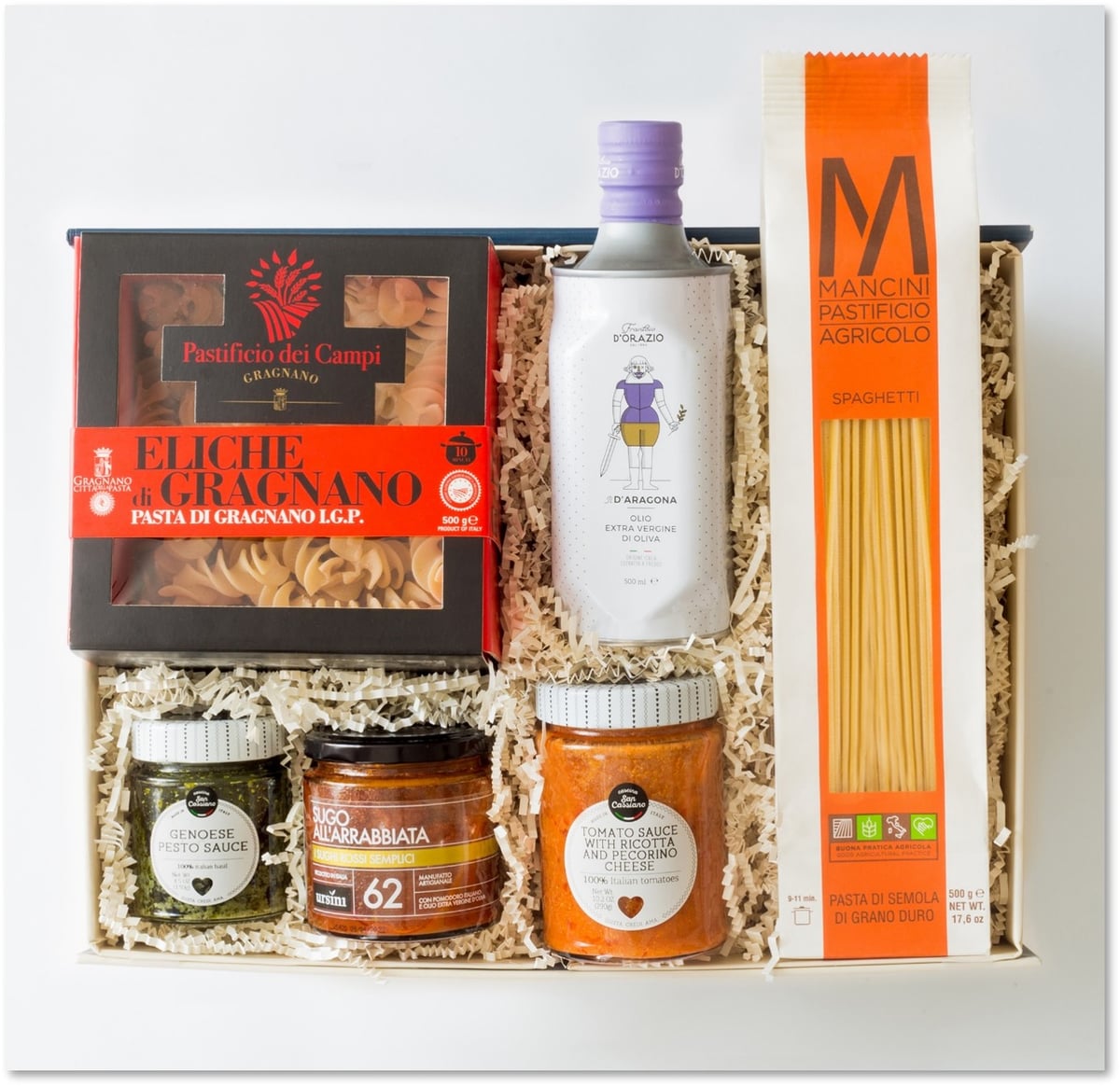
Why Mancini Bucatini Stands Apart
Walk through any Italian supermarket and you'll find dozens of bucatini brands. What justifies seeking out mancini bucatini specifically? The answer lies in their complete control over production.
Industrial pasta makers purchase wheat from commodity markets, mixing grains from multiple sources and countries. Mancini grows specific wheat varieties selected for flavor and protein content. They know exactly which field produced the wheat in your package.
Nutritional Characteristics
According to USDA FoodData Central, traditional durum wheat pasta provides approximately 200 calories per 2-ounce serving, with 7 grams of protein and 1 gram of fat. Mancini's slow-drying process and high-protein wheat create pasta with superior texture retention during cooking.
The pale color of mancini bucatini signals minimal processing. Industrially dried pasta often appears bright yellow due to high-temperature drying that caramelizes sugars in the wheat. Mancini's low-temperature method preserves the grain's natural state.
Cooking benefits of artisan bucatini:
- Holds shape during cooking without becoming mushy
- Releases just enough starch to help sauce emulsify
- Maintains pleasant chew (al dente) even when slightly overcooked
- Reheats well without breaking down
- Superior flavor that tastes like wheat, not just starch
Those exploring wide spaghetti noodles will find bucatini offers similar presence on the plate with added textural complexity from its hollow center.
Cooking Mancini Bucatini to Perfection
Proper technique transforms good pasta into transcendent pasta. With mancini bucatini, precision matters because you're working with a premium ingredient that deserves respectful treatment.
Start with abundant water-at least 4 quarts per pound of pasta. Salt generously; the water should taste like seawater. This is your only opportunity to season the pasta itself from within.
The Timing Question
Mancini bucatini typically requires 9-11 minutes to reach al dente, but always test. Begin checking two minutes before the package recommendation. Proper al dente pasta shows a tiny white dot in the center when you bite through it-the last bit of starch that hasn't fully hydrated.
Step-by-step method:
- Bring salted water to rolling boil
- Add bucatini and stir immediately to prevent sticking
- Set timer for 2 minutes before package time
- Begin testing every 30 seconds
- Reserve 2 cups pasta water before draining
- Never rinse cooked pasta
- Finish cooking in sauce for 1-2 minutes
The hollow center of bucatini means it cooks slightly differently than solid pasta. The exterior may soften before the interior fully hydrates, so timing becomes crucial. When in doubt, slightly undercook-the pasta will continue cooking when you toss it with sauce.
Beyond Amatriciana: Creative Applications
While Amatriciana represents bucatini's spiritual home, this versatile shape welcomes innovation. The sturdy structure handles bold flavors without breaking down.
Roman Classics
Rome claims bucatini as its own, featuring it in multiple traditional preparations. Cacio e pepe-just Pecorino Romano, black pepper, and pasta water-becomes magic when the hollow strands capture pockets of creamy, peppery sauce. Carbonara, though more commonly served with spaghetti or rigatoni, works beautifully with bucatini, the hollow center holding whispers of egg and guanciale.
For an elevated variation, try mancini bucatini with seafood. The pasta's robustness stands up to assertive ingredients like clams, mussels, or squid in a white wine sauce. Or consider pairing it with white truffle and porcini mushrooms sauce for an earthy, luxurious preparation.
| Sauce Style |
Why It Works with Bucatini |
Suggested Pairings |
| Tomato-based |
Rich sauces cling to rough surface |
Amatriciana, puttanesca, arrabbiata |
| Cream-based |
Hollow captures creamy pockets |
Carbonara, cacio e pepe variations |
| Oil-based |
Texture grips simple emulsions |
Garlic-chili oil, aglio e olio |
| Meat ragù |
Sturdy enough for hearty sauces |
Wild boar, lamb ragù |
Modern Interpretations
Contemporary chefs have embraced bucatini for dishes that would make Roman grandmothers raise eyebrows. Think bucatini with roasted vegetables and aged balsamic, or with spicy 'nduja and burrata. The shape's visual drama also makes it Instagram-worthy, if that matters to your table.
The key principle: match bucatini with sauces substantial enough to coat its surface without overwhelming the pasta's inherent wheat flavor. Delicate, subtle sauces get lost; bold, confident preparations shine.
Sourcing and Storing Artisan Pasta
Finding authentic mancini bucatini outside Italy once required specialty connections. Today, discerning retailers recognize the value of artisan pasta and stock carefully selected Italian products.
When purchasing, examine the package. Authentic Mancini pasta features their distinctive packaging with farm imagery. The pasta itself should appear pale golden, not bright yellow. If you can see through the package, look for rough texture and irregular edges where the pasta was cut-signs of traditional production.
Storage Guidelines
Unopened packages:
- Store in cool, dark pantry
- Avoid temperature fluctuations
- Use within 2 years of production date
- Keep away from strong-smelling items
After opening:
- Transfer to airtight container
- Maintain in cool, dry environment
- Use within 6 months for optimal flavor
- Check periodically for signs of moisture
Never refrigerate dried pasta. The humid environment can introduce moisture that leads to mold. Room temperature in a sealed container preserves quality perfectly.
If you're passionate about Italian pantry staples, exploring gourmet food gift baskets offers insight into how premium ingredients like artisan pasta combine with complementary products.
The Gift of Authentic Italian Pasta
Mancini bucatini makes a thoughtful, sophisticated gift for food lovers. Unlike wine or chocolate, pasta carries no dietary restrictions for most people, travels well, and stores indefinitely. Paired with quality sauce ingredients and perhaps a beautiful serving bowl, it becomes a complete culinary experience.
Consider assembling a bucatini gift collection:
- Package of mancini bucatini
- Jar of authentic Amatriciana sauce or quality tomatoes
- Wedge of aged Pecorino Romano
- Bottle of premium olive oil
- Recipe card with preparation instructions
This combination provides everything needed for an memorable meal while educating the recipient about authentic Italian ingredients. For those new to exploring spaghetti Mancini and the family's broader pasta portfolio, bucatini offers an ideal introduction to their quality standards.
Presentation Matters
Italian gift-giving emphasizes thoughtful presentation as much as the contents. Arrange your pasta selection in a wooden box or woven basket, tied with ribbon in Italian flag colors. Include a handwritten note explaining the Mancini family story and why you chose this particular pasta.
The gesture communicates appreciation for quality, respect for tradition, and desire to share something meaningful. In Italian culture, food gifts represent generosity and connection-you're not just giving ingredients, but the potential for shared experiences.
Recognizing Quality in Every Strand
As you become familiar with mancini bucatini, you'll develop the ability to recognize quality pasta instantly. The rough texture, the pale color, the way it holds its shape in boiling water-these markers distinguish artisan production from industrial shortcuts.
Premium pasta should smell like wheat when you open the package, not cardboard or nothing at all. When cooked, it releases a pleasant, grainy aroma. The cooking water should become cloudy with released starch but never murky or gummy.
Quality markers checklist:
- Rough, porous surface texture
- Pale golden color, not bright yellow
- Clean wheat aroma when dry
- Maintains shape during vigorous boiling
- Releases appropriate starch into cooking water
- Resilient texture that doesn't turn mushy
- Subtle wheat flavor that complements sauce
Once you've experienced the difference, returning to generic supermarket pasta feels like a compromise. The textural satisfaction, the way sauce interacts with properly made bucatini, the pure flavor-these elements transform a simple meal into something worth savoring slowly.
The Cultural Context of Pasta Appreciation
Understanding mancini bucatini means understanding Italy's relationship with pasta. This isn't just food; it's cultural identity, regional pride, family tradition, and daily ritual rolled into one.
Every Italian region has signature pasta shapes and traditional preparations. La Cucina Italiana's detailed Amatriciana recipe demonstrates how seriously Italians take these culinary traditions, documenting ingredients and techniques with precision.
Romans defend bucatini as their pasta, essential to their culinary heritage. When you serve bucatini all'Amatriciana, you're not just following a recipe-you're participating in centuries of tradition, connecting to Amatrice's pastoral history and Rome's cultural authority.
This context enriches the eating experience. Knowing the Mancini family grows their wheat on their own land, knowing bucatini has fed Romans for generations, knowing the proper technique for Amatriciana sauce-these layers of understanding transform a plate of pasta into a story you can taste.
Mancini bucatini represents more than premium pasta-it embodies the Italian philosophy that quality begins in the field and requires patience at every step. From the wheat fields of Le Marche to your table, every decision honors tradition while delivering exceptional flavor and texture. Whether you're exploring authentic Italian cooking or seeking meaningful gifts for food enthusiasts, artisan pasta like mancini bucatini opens doors to richer culinary experiences. Discover how Tasty Ribbon curates authentic Italian artisanal products, creating gift collections that connect you to Italy's finest makers and traditions with impeccable presentation and genuine passion for quality.