There's a particular kind of magic that happens when you open a package of truly exceptional pasta. The color catches your eye first-not the pale, anemic yellow of mass-produced noodles, but a deep golden hue that speaks of sun-ripened wheat fields and centuries-old craft. When you run your fingers along the strands of mancini linguine, you feel a roughness, a texture that promises to cradle sauce in ways ordinary pasta never could. This is pasta made the way it was meant to be made, by a family who grows their own wheat, mills it on site, and shapes it with the patience of artisans who understand that some things simply cannot be rushed.
The Story Behind Mancini Linguine
In the rolling hills of Le Marche, where the Apennines slope gently toward the Adriatic Sea, the Mancini family has been growing wheat and making pasta since 1938. What sets mancini linguine apart isn't just tradition-it's an unwavering commitment to a farm-to-table model that most pasta makers abandoned decades ago. The Mancini family controls every step of production, from seed selection to the moment their pasta reaches your kitchen.
This vertical integration means something profound. While industrial pasta makers source wheat from commodity markets around the globe, Mancini cultivates specific wheat varieties on their own 350 hectares of certified organic farmland. They harvest at precisely the right moment, dry the grain slowly, and mill it fresh in small batches. The result is flour with exceptional protein content and flavor compounds that would be lost in conventional production.
Why Farm-Fresh Wheat Matters
The difference between commodity wheat and estate-grown grain is similar to the difference between mass-market wine and a carefully tended vineyard vintage. Mancini's wheat develops complex flavors because it grows in consistent terroir, benefits from crop rotation practices that enrich the soil, and is milled within hours of being needed for pasta production.
When you cook mancini linguine, you're tasting wheat that was likely harvested less than a year ago. The pasta retains a subtle nuttiness and natural sweetness that factory-produced alternatives simply cannot match. This freshness also impacts texture-the semolina's gluten structure remains robust, giving the cooked pasta that coveted al dente bite that holds firm even as it absorbs your sauce.
Understanding Linguine as a Shape
Before we delve deeper into what makes Mancini's version exceptional, it helps to understand what defines linguine among the family of long pasta shapes. The name derives from "lingue," meaning "little tongues" in Italian-a reference to the shape's flat, elliptical cross-section.
Unlike spaghetti, which is perfectly round, linguine is slightly flattened. This seemingly small difference creates a completely different eating experience and determines which sauces pair best. The geometry of pasta isn't arbitrary; each shape evolved to complement specific ingredients and preparations.
Key characteristics of linguine include:
- Width of approximately 3-4 millimeters
- Flat, elliptical cross-section
- Length typically 10-12 inches before cooking
- Smooth or slightly textured surface depending on production method
- Traditional association with Ligurian cuisine
Regional Traditions and Classic Pairings
Linguine originated in Liguria, the crescent-shaped coastal region that includes Genoa and the Italian Riviera. This geography shaped the pasta's destiny. In a region blessed with abundant seafood, fragrant basil, and exceptional olive oil, linguine became the foundation for some of Italy's most celebrated dishes.
The classic preparations tell a story of place. Linguine al pesto reflects Genoa's position as a historic spice trading port-the basil-based sauce incorporates pine nuts brought back by Genoese sailors. Linguine alle vongole showcases the sweet clams harvested from Ligurian waters, prepared simply with garlic, white wine, and parsley to let the seafood shine.
These aren't random pairings. The flat shape of linguine provides more surface area than round spaghetti, allowing it to carry oil-based sauces and pesto more effectively. The wider profile also stands up beautifully to whole clams, mussels, or chunks of lobster without being overwhelmed.
The Mancini Production Method
What transforms good linguine into extraordinary pasta happens in the pastificio, where Mancini applies techniques that honor tradition while embracing modern quality control. The process begins with their fresh-milled semolina, which retains all the wheat germ's natural oils and vitamins that are stripped away in industrial milling.
The semolina is mixed with pure spring water from the estate and kneaded until it reaches perfect consistency. Then comes the extrusion process, where Mancini makes a choice that dramatically impacts the finished product: bronze dies rather than Teflon-coated ones.
Bronze Die Extrusion
When pasta dough is forced through bronze dies, the metal's natural roughness creates tiny ridges and a porous surface on each strand of mancini linguine. This texture isn't just aesthetic-it's functional. Sauce clings to these microscopic grooves, ensuring every bite delivers maximum flavor.
| Production Method |
Surface Texture |
Sauce Adherence |
Cooking Water |
| Bronze Die (Mancini) |
Rough, porous |
Excellent |
Starchy, cloudy |
| Teflon Die (Industrial) |
Smooth, glossy |
Poor |
Less starchy |
| Traditional Hand-Rolled |
Irregular, very rough |
Superior |
Very starchy |
The cooking water from bronze-die pasta becomes noticeably cloudier than that from Teflon-extruded varieties. This isn't a flaw-it's a sign that the pasta is releasing starches that will help emulsify your sauce into a silky, cohesive coating.
Slow Drying at Low Temperature
After extrusion, most industrial pasta makers dry their product at high temperatures (sometimes exceeding 85°C) to speed production. This process can be completed in just a few hours, allowing factories to turn out massive quantities quickly. Mancini takes a different path entirely.
Their linguine dries slowly at temperatures never exceeding 36°C-barely above human body temperature. This process takes between 24 and 36 hours, depending on humidity and the pasta shape. Why invest this additional time? Low-temperature drying preserves the wheat's nutritional profile, prevents protein denaturation, and maintains the complex flavors that high heat would destroy.
When you cook mancini linguine that has been slowly dried, you taste the difference immediately. The pasta swells evenly, maintains its structure throughout cooking, and releases a subtle wheat aroma that fills your kitchen with the scent of fresh grain.
Cooking Mancini Linguine to Perfection
Even the finest pasta in the world can be ruined by improper cooking. Mancini linguine deserves your attention and a few fundamental techniques that Italian home cooks consider non-negotiable.
Essential cooking steps:
-
Use abundant water: Fill your largest pot with at least 5 liters of water for 500 grams of pasta
-
Salt generously: Add approximately 50 grams of coarse sea salt once the water boils
-
Maintain a rolling boil: Don't reduce heat once pasta is added
-
Stir within the first minute: Prevent strands from sticking together as starches activate
-
Test early: Begin tasting 2 minutes before the package-recommended time
-
Reserve pasta water: Save at least one cup before draining
The recommended cooking time for mancini linguine typically ranges from 10 to 12 minutes, but your specific batch may vary slightly. The only reliable test is tasting. You're looking for pasta that offers resistance when you bite down-al dente literally means "to the tooth"-but isn't chalky or raw in the center.
Finishing in the Pan
Here's where many home cooks miss an opportunity to elevate their dish. Don't simply drain your linguine and dump sauce on top. Instead, drain the pasta about one minute before it reaches perfect doneness, then transfer it directly to your pan of sauce.
Add a splash of the starchy pasta cooking water and continue cooking together over medium-high heat, tossing constantly. The pasta will finish cooking while absorbing sauce, and the starch in the pasta water will create a natural emulsion that binds everything together. This technique, called "mantecatura," transforms separate components into a unified dish.
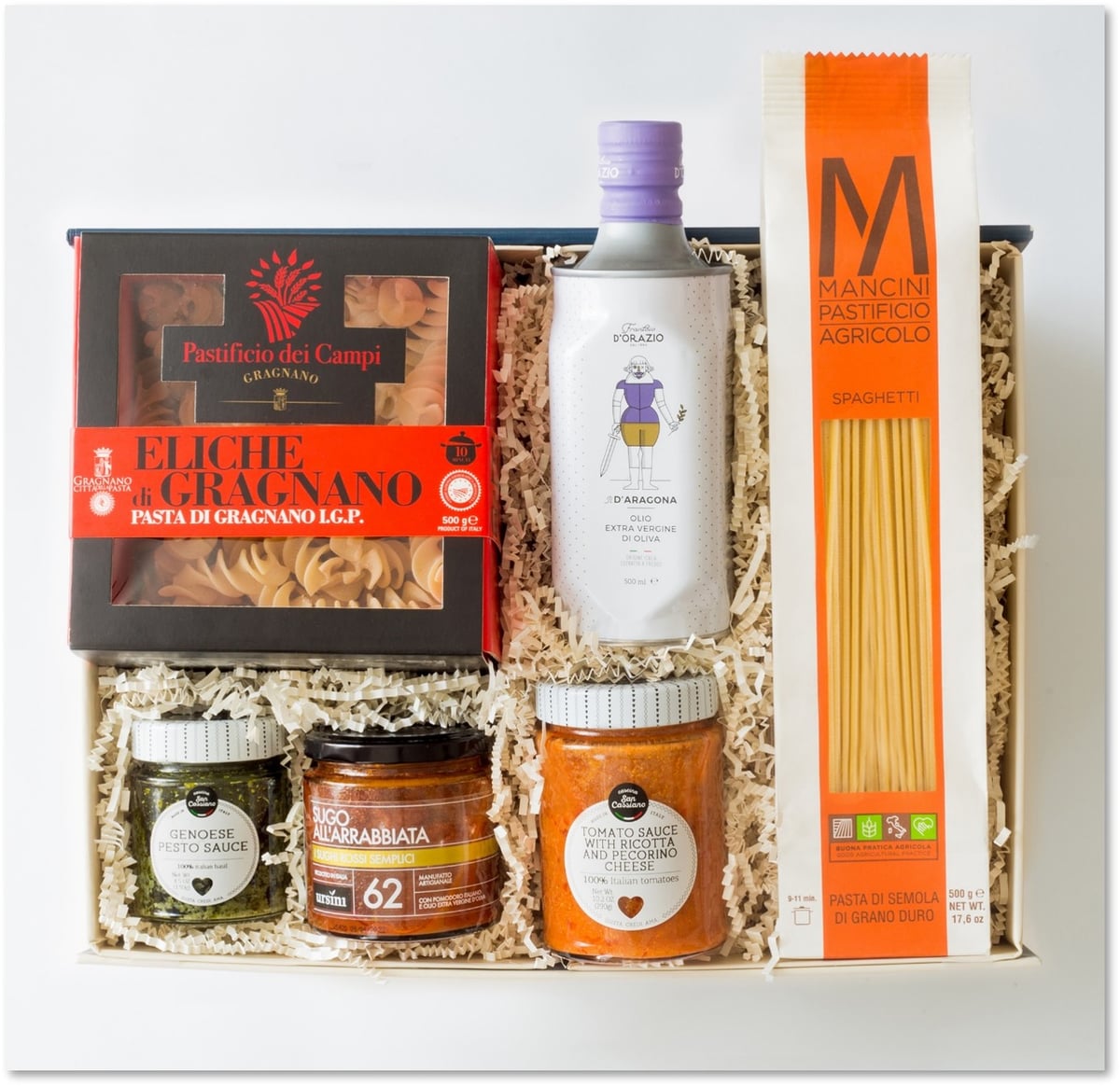
For those looking to master authentic pasta preparations, exploring curated collections like Tasty Ribbon's pasta gift boxes provides access to exceptional Italian ingredients alongside preparation guidance.
Sauce Pairings for Mancini Linguine
The beauty of high-quality linguine lies in its versatility. While certain classic preparations have become iconic, mancini linguine's robust structure and rough texture allow it to carry a wide range of sauces successfully.
Seafood-Based Preparations
The marriage of linguine and seafood represents one of Italian cuisine's most harmonious relationships. The traditional linguine with clams showcases this perfectly-fresh clams, garlic, white wine, parsley, and a hint of red pepper flakes come together in minutes.
Beyond clams, consider these combinations:
-
Scampi: Succulent prawns with garlic, butter, white wine, and lemon
-
Lobster: Chunks of sweet lobster meat in a light tomato and white wine sauce
-
Mixed seafood: Mussels, clams, shrimp, and calamari in a garlicky tomato broth
-
Anchovy and breadcrumbs: A humble but intensely flavored preparation from Southern Italy
Oil and Herb-Based Sauces
When you invest in exceptional pasta like mancini linguine, sometimes the simplest preparations shine brightest. A classic aglio e olio-just garlic slowly cooked in excellent olive oil with red pepper flakes-allows the pasta's inherent wheat flavor to take center stage.
Pesto alla Genovese deserves special mention. The combination of fresh basil, pine nuts, garlic, Parmigiano Reggiano, Pecorino Romano, and fruity olive oil was practically designed for linguine's flat surface. The sauce clings to every millimeter of the pasta, creating perfect flavor balance in each forkful.
Cream and Tomato-Based Options
While purists might argue that linguine performs best with lighter sauces, the pasta's structural integrity means it can also support richer preparations. A carbonara made with linguine instead of traditional spaghetti offers interesting textural contrast. The wider surface area means more egg coating per bite.
For those interested in exploring multiple authentic Italian pasta preparations, the Pasta 1-0-1 collection offers an excellent introduction to pairing premium pasta with carefully selected sauces that showcase traditional flavor profiles.
Storing and Handling Artisanal Pasta
Premium pasta like mancini linguine requires slightly different storage considerations than commodity brands. The wheat germ oils that contribute so much flavor can also make the pasta more sensitive to heat, light, and moisture.
Store your unopened packages in a cool, dark pantry away from heat sources. Ideal temperature range is 10-18°C with low humidity. Avoid storing pasta near the stove, dishwasher, or in cabinets that receive direct sunlight during the day.
Storage best practices:
- Keep in original packaging until ready to use
- Transfer opened pasta to airtight glass or ceramic containers
- Label with purchase date (use within 12 months for optimal flavor)
- Never refrigerate or freeze dry pasta (moisture encourages mold)
- Check occasionally for signs of insect activity in warm climates
Unlike industrial pasta that can sit in warehouses for years, artisanal pasta is best enjoyed within a year of production. This isn't because it spoils, but because the delicate flavors gradually fade over time.
The Mancini Family Philosophy
Understanding what makes mancini linguine special requires understanding the family behind it. In interviews, Massimo Mancini has spoken about the challenges of maintaining artisanal production in an era of industrial consolidation.
The Mancini family could easily multiply their profits by abandoning their farm-to-pasta model. They could source cheaper wheat, dry faster, use Teflon dies, and scale up production dramatically. Instead, they've chosen a different path-one that prioritizes quality over quantity and honors the agricultural heritage of their region.
This philosophy extends to every decision. They've obtained organic certification for their farmland, implemented crop rotation to maintain soil health, and invested in modern equipment that allows them to maintain traditional methods at slightly larger scale. The result is pasta that tastes unmistakably different from anything produced industrially, yet remains accessible to discerning home cooks.
Sustainability and Traceability
In 2026, consumers increasingly care about where their food comes from and how it's produced. Mancini's model offers complete traceability-every package of linguine can be traced back to specific wheat harvests from specific fields. This transparency builds trust and ensures accountability.
The environmental footprint of mancini linguine is remarkably small. Wheat grown on the estate requires no transportation to distant mills. The pasta factory runs on renewable energy. Even the packaging uses recycled materials. For those who value sustainability alongside flavor, these considerations matter.
Incorporating Mancini Linguine into Gift Giving
Exceptional pasta makes a thoughtful gift for food lovers, especially when presented as part of a curated collection of Italian artisanal products. The challenge lies in helping recipients understand what makes their gift special and how to use it properly.
When giving mancini linguine as a gift, consider pairing it with complementary ingredients that create a complete culinary experience. High-quality extra virgin olive oil, imported Italian tomatoes, and authentic Parmigiano Reggiano transform simple pasta into a memorable meal.
For those exploring Italian food gift basket ideas, including premium pasta alongside other artisanal products creates a gift that educates as well as delights. The recipient learns about Italian food culture while enjoying exceptional ingredients.
Why Texture Matters More Than You Think
We've discussed Mancini's bronze die extrusion, but the impact of texture on your dining experience deserves deeper exploration. When sauce sits on top of smooth pasta rather than clinging to it, you end up with a puddle of liquid at the bottom of your bowl and insufficiently flavored noodles.
The rough surface of properly made mancini linguine creates hundreds of tiny anchor points for sauce. Oil-based preparations coat the pasta evenly. Tomato sauces penetrate the microscopic crevices. Even simple butter and cheese emulsify into the pasta's surface rather than sliding off.
This textural difference becomes most apparent when you twirl linguine on your fork. Smooth pasta tends to slip and separate. Rough pasta holds together in a cohesive bundle, delivering a perfect ratio of noodles to sauce in every bite.
Comparing Pasta Quality Indicators
How can you evaluate pasta quality when shopping? Several visual and tactile indicators help distinguish artisanal products from mass-market alternatives before you even cook them.
| Quality Indicator |
Artisanal (Mancini) |
Industrial |
| Color |
Deep golden yellow |
Pale, uniform yellow |
| Surface |
Visibly rough, matte |
Smooth, glossy |
| Breakage |
Minimal broken pieces |
Often many fragments |
| Aroma |
Subtle wheat scent |
Little to no aroma |
| Price |
Higher (reflects quality) |
Lower (economy of scale) |
| Cooking water |
Very cloudy, starchy |
Slightly cloudy |
Price often correlates with quality in artisanal pasta. While mancini linguine costs more than supermarket brands, the difference reflects real production costs-organic farming, slow drying, bronze dies, and small-batch production simply cannot compete with industrial efficiency on price alone.
Regional Italian Dishes Featuring Linguine
Beyond the well-known preparations, mancini linguine appears in numerous regional dishes that deserve wider recognition. Exploring these variations offers insight into Italy's remarkable culinary diversity.
In Campania, linguine gets tossed with colatura di alici-an intensely flavored fish sauce made from fermented anchovies. This ancient Roman condiment creates a umami-rich coating that needs nothing more than garlic, parsley, and breadcrumbs for textural contrast.
Sicily's linguine ai ricci di mare showcases sea urchin roe in a preparation that epitomizes coastal Italian cooking. The sweet, briny roe melts into the hot pasta with olive oil and a touch of lemon, creating a sauce that's simultaneously delicate and intensely marine.
Tuscany contributes linguine al limone-a deceptively simple combination of lemon zest, lemon juice, cream, and Parmigiano that becomes transcendent when made with premium ingredients. The key lies in the emulsion; the starchy pasta water binds the cream and lemon juice into a silky sauce that won't separate.
For those assembling gourmet Italian gift collections, including regional specialty ingredients alongside pasta helps tell a more complete story of Italian culinary traditions.
The Science of Al Dente
Achieving perfect al dente texture with mancini linguine involves understanding the science of starch gelatinization. When dry pasta hits boiling water, the heat causes starch granules to absorb water and swell. This process happens in stages, beginning at the pasta's surface and gradually moving toward the center.
The outer layers gelatinize first, becoming tender and pliable. As cooking continues, the gelatinization front moves inward. When you achieve perfect al dente, the outermost layers are fully cooked and tender, while the very center retains a slightly firm, almost imperceptibly resistant core.
This isn't just about texture preference-it's about digestibility and glycemic impact. Al dente pasta has a lower glycemic index than fully softened pasta because the intact starch granules in the center break down more slowly during digestion, resulting in more gradual blood sugar elevation.
High-quality pasta like mancini linguine makes achieving al dente easier because the robust gluten network and high protein content create structural integrity that doesn't disintegrate with slight overcooking. There's a wider window of perfect doneness compared to weak, low-protein pasta that turns mushy the moment it's fully cooked.
Seasonal Approaches to Linguine
Italian cooking honors the seasons, and mancini linguine adapts beautifully to seasonal ingredients throughout the year. This approach keeps your pasta dinners interesting while connecting you to the natural rhythm of the harvest.
Spring preparations:
- Linguine with asparagus, lemon, and mint
- Fresh peas, pancetta, and cream
- Wild ramps and morel mushrooms
- Artichokes with garlic and white wine
Summer options:
- Cherry tomatoes, fresh basil, and burrata
- Zucchini blossoms and their fruit
- Fresh tuna with capers and olives
- Raw tomato and basil (pasta served warm, sauce at room temperature)
Autumn combinations:
- Wild mushroom medley with thyme
- Butternut squash, sage, and brown butter
- Chestnuts and pancetta
- Radicchio, walnuts, and gorgonzola
Winter dishes:
- Braised greens with anchovies and garlic
- Preserved tuna belly with chili
- Cauliflower, raisins, and pine nuts
- Winter truffle shavings
This seasonal rotation ensures you're cooking with ingredients at peak flavor while varying your preparations enough to maintain excitement about pasta night.
Mancini linguine represents everything that makes Italian artisanal food production special-a commitment to quality over convenience, respect for agricultural heritage, and an understanding that the best ingredients need minimal manipulation to shine. Whether you're cooking a simple weeknight dinner or preparing a celebratory feast, starting with exceptional pasta transforms the entire experience. Tasty Ribbon curates authentic Italian artisanal products that bring these food traditions into your home, offering carefully selected pasta, sauces, and specialty ingredients that honor Italy's culinary legacy while making it accessible for modern gift-giving and home cooking.