There's a particular moment every pasta lover knows well: standing in the kitchen, steam rising from a pot of just-drained maccheroni, the aroma of durum wheat filling the room, anticipation building for that first perfect bite. When that pasta comes from Pastificio Agricolo Mancini, you're not just cooking dinner. You're participating in a story that began generations ago in the rolling wheat fields of Le Marche, where one family decided that truly exceptional pasta required controlling every step, from seed to package. Mancini maccheroni represents this rare commitment to quality, embodying the principle that great pasta begins not in the factory, but in the soil.
The Mancini Family Legacy: From Farm to Pasta
The story of mancini maccheroni begins in 1938, when the Mancini family started milling wheat on their farm near Monte San Pietrangeli in Italy's Marche region. Unlike industrial pasta makers who source wheat from multiple suppliers, the Mancini family made a decision that seemed radical then and remains exceptional now: they would grow, harvest, mill, and transform their own wheat into pasta, all on the same estate.
This farm-to-pasta philosophy means every step happens under one roof. The family cultivates their durum wheat on approximately 500 acres surrounding their pastificio, following sustainable agricultural practices that respect the land and preserve its fertility for future generations. They mill their harvest using traditional stone-grinding methods that preserve the wheat germ, the nutrient-rich heart of the grain that industrial mills typically remove.
Single-Farm Production: A Rare Commitment
What makes Pastificio Agricolo Mancini truly distinctive is their closed-loop production system. They're one of the few pasta makers in Italy who can truthfully say they know the exact provenance of every ingredient. When you cook mancini maccheroni, you're experiencing wheat that grew in fields the Mancini family tends personally, milled in their own facility, transformed into pasta using bronze dies, and dried slowly at low temperatures.
This vertical integration allows unprecedented quality control:
-
Complete traceability: Every batch can be traced to specific fields and harvest dates
-
Wheat germ retention: Stone-milling preserves up to 20% more nutritional value than industrial methods
-
Freshness: Shorter time between harvest and production preserves flavor compounds
-
Consistency: Single-farm sourcing eliminates variability in wheat quality
The pasta that emerges from this process has a distinctly different character than mass-produced alternatives. The texture is rougher, almost velvety. The color ranges from warm cream to golden amber. The aroma carries notes of toasted grain and wheat fields.
Understanding Maccheroni: More Than Just a Shape
The word "maccheroni" carries centuries of culinary history. According to the Treccani Italian dictionary, maccheroni originally referred to a broader category of pasta shapes, particularly tubular forms. Over time, regional variations created dozens of interpretations, from the long, hollow tubes of Southern Italy to shorter, ridged versions found in central regions.
Mancini maccheroni typically takes the form of a medium-length tubular pasta with a ridged exterior surface. These ridges, created by extruding the dough through bronze dies rather than smooth Teflon ones, serve a crucial culinary purpose. They create microscopic grooves that catch and hold sauce, transforming every bite into a more flavorful experience.
The Bronze Die Difference
Bronze extrusion is a hallmark of artisanal pasta production, and mancini maccheroni showcases this traditional method beautifully. When pasta dough is forced through bronze dies, the metal creates friction that roughens the surface of each piece. This rough texture, visible to the naked eye and tangible to the touch, fundamentally changes how the pasta interacts with sauces.
Modern industrial pasta makers often use Teflon dies because they're cheaper, faster, and create a smooth, glossy product. But that glossy surface is precisely the problem. It repels sauce rather than embracing it. The bronze-extruded mancini maccheroni, by contrast, welcomes sauce into every ridge and groove.
Heritage Wheat: The Foundation of Flavor
The flavor profile of mancini maccheroni owes much to the specific wheat varieties the family cultivates. Recent agricultural research, including genome studies of heritage durum wheat, has highlighted the unique characteristics of traditional Italian varieties. These heritage cultivars, some related to the famous Senatore Cappelli variety, offer superior flavor complexity and nutritional profiles compared to modern commercial hybrids.
| Characteristic |
Heritage Durum Wheat |
Modern Commercial Wheat |
| Protein Content |
13-15% |
11-13% |
| Flavor Profile |
Complex, nutty, mineral notes |
Mild, neutral |
| Wheat Germ |
Retained during milling |
Often removed |
| Cultivation |
Lower yield, disease-resistant |
High yield, requires treatment |
The Mancini family's commitment to growing heritage varieties means accepting lower yields in exchange for superior quality. It's a trade-off that honors tradition and rewards the palate.
Slow Drying: Patience Rewarded
After extrusion, mancini maccheroni undergoes a slow-drying process at low temperatures, typically around 38°C (100°F), for 24 to 36 hours. Industrial pasta is often dried at temperatures exceeding 80°C (176°F) in just a few hours, prioritizing speed and efficiency over quality.
This temperature difference matters profoundly. High-heat drying denatures proteins, creating a glassy, brittle pasta that breaks easily and loses nutrients. Low-temperature drying preserves the pasta's structural integrity and maintains the natural wheat flavors. When you cook mancini maccheroni, you'll notice it maintains its shape better and has a more pronounced wheat aroma.
Cooking Mancini Maccheroni: Technique and Tradition
The quality of artisanal pasta like mancini maccheroni deserves thoughtful preparation. Start with a large pot of generously salted water. Many Italian cooks say the water should taste like the sea, with approximately 10 grams of salt per liter of water. This isn't just for flavor; the salt also helps season the pasta from within as it absorbs water during cooking.
Mancini maccheroni typically requires 11 to 13 minutes to reach al dente texture, slightly longer than industrial pasta due to its denser structure and wheat germ content. Test frequently starting at 10 minutes, tasting for that ideal balance where the pasta yields to the bite but maintains a firm core.
Sauce Pairings That Celebrate Quality
The robust texture and wheaty flavor of mancini maccheroni pairs beautifully with a range of sauces:
-
Classic tomato and basil: The simplest preparations often showcase quality ingredients best
-
Rich meat ragù: The ridges capture every bit of slow-cooked meat sauce
-
Creamy cheese sauces: Pecorino or Parmigiano-based preparations cling perfectly
-
Vegetable-forward preparations: Seasonal vegetables, olive oil, and fresh herbs
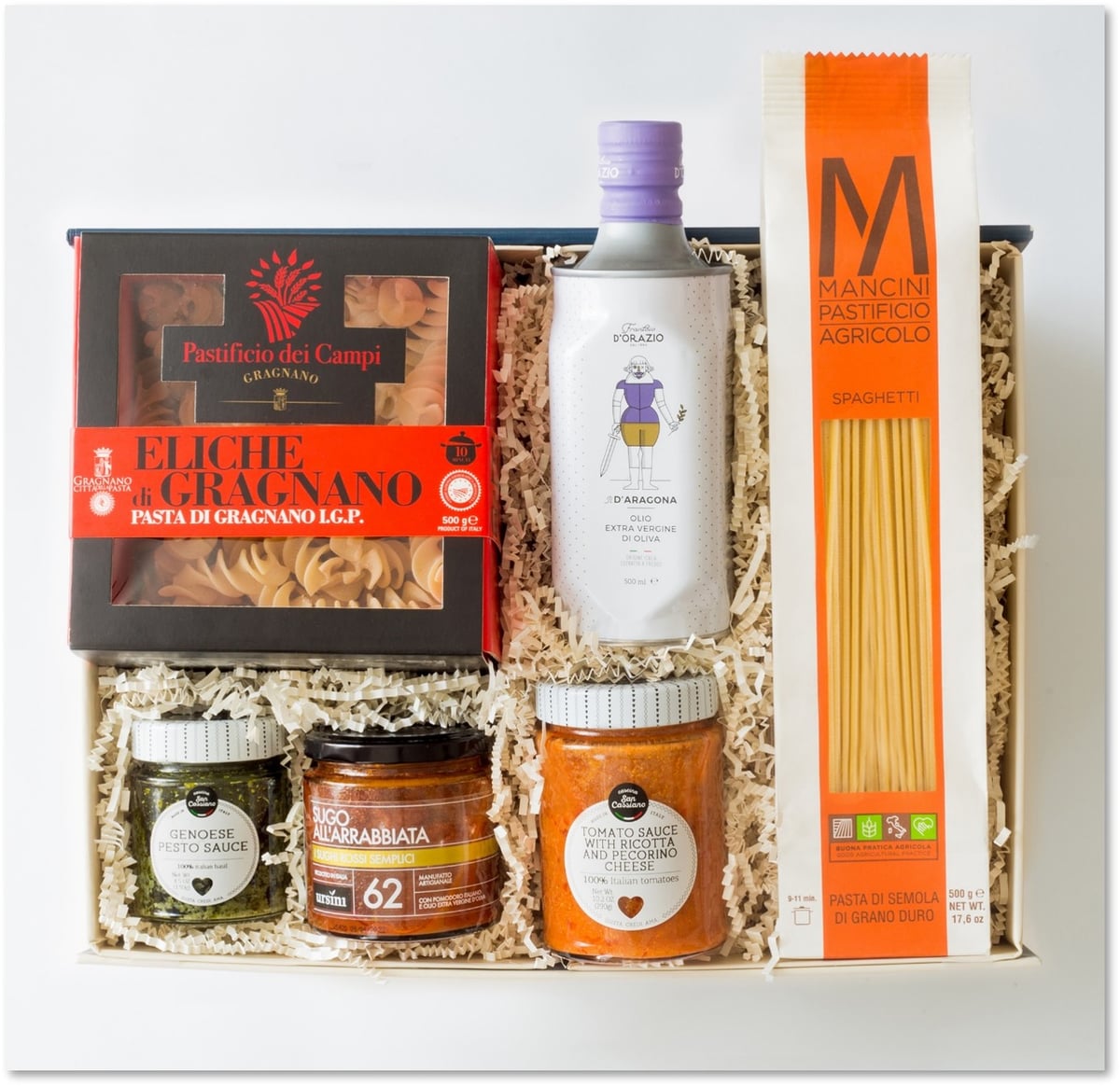
For those assembling an authentic Italian pasta experience, consider pairing mancini maccheroni with complementary artisanal ingredients. The Pasta 1-0-1 collection offers an excellent introduction to building a complete pasta meal with carefully selected Italian ingredients that honor the same artisanal standards.
Cultural Context: Maccheroni in Italian Life
The cultural significance of maccheroni extends far beyond mere sustenance. The Accademia della Crusca, Italy's preeminent authority on the Italian language, documents numerous idioms and expressions featuring maccheroni. The phrase "cascare a fagiolo" (to fall like cheese on maccheroni) describes something arriving at exactly the right moment, a perfect fit.
This linguistic richness reflects pasta's central role in Italian identity. Maccheroni represents comfort, tradition, and the daily ritual of gathering around the table. When families throughout Italy sit down to a plate of maccheroni, they're participating in a cultural practice that spans generations.
Regional Variations and Interpretations
While mancini maccheroni follows the Le Marche tradition, different Italian regions have developed their own maccheroni variations:
-
Campania: Longer tubes, often paired with Neapolitan ragù
-
Abruzzo: Shorter, thicker versions known for capturing hearty lamb sauces
-
Lazio: Medium tubes frequently dressed with cacio e pepe or amatriciana
-
Calabria: Smaller formats combined with spicy 'nduja and local vegetables
Each region's interpretation reflects local ingredients, historical influences, and culinary preferences. The Encyclopedia of Pasta by Oretta Zanini De Vita catalogs these variations in scholarly detail, documenting how geography and culture shape pasta traditions.
Sustainability and Agricultural Stewardship
The Mancini family's single-farm model offers environmental benefits beyond flavor. By controlling their entire supply chain, they eliminate transportation between multiple facilities, reducing their carbon footprint significantly. Their wheat travels mere meters from field to mill to pasta factory, rather than the hundreds or thousands of kilometers typical in industrial production.
Their agricultural practices prioritize soil health through crop rotation and minimal chemical intervention. Healthy soil produces healthier wheat, which in turn creates more flavorful pasta. This regenerative approach ensures the land remains productive for future generations while producing exceptional mancini maccheroni today.
The True Cost of Quality
Artisanal pasta like mancini maccheroni costs more than supermarket brands, a price difference that reflects fundamental production choices. When you choose Mancini, you're supporting:
-
Fair agricultural practices: Sustainable farming that respects the land
-
Traditional craftsmanship: Skills passed down through generations
-
Local economies: Family businesses in rural Italian communities
-
Superior nutrition: Whole-wheat nutrition and minimal processing
-
Authentic flavor: Taste that reflects terroir and tradition
This investment in quality transforms a simple pasta dinner into an experience that nourishes both body and spirit.
Gifting Italian Excellence: Sharing Authentic Traditions
Exceptional pasta makes a thoughtful gift for anyone who appreciates authentic Italian ingredients. Unlike generic gift baskets filled with industrial products, artisanal items like mancini maccheroni tell a story about tradition, quality, and the people behind the product. For inspiration on good food gift baskets that celebrate Italian artisanal excellence, consider how each component contributes to a complete culinary narrative.
When assembling a pasta-focused gift, think beyond the pasta itself. Include complementary items that elevate the entire experience:
-
Premium extra virgin olive oil: Essential for finishing dishes properly
-
Aged Parmigiano Reggiano: The authentic cheese makes all the difference
-
Artisanal tomato sauce: Quality jarred sauce for convenient excellence
-
Recipe cards or suggestions: Guide recipients toward authentic preparations
The gesture of giving authentic Italian products demonstrates thoughtfulness and introduces recipients to ingredients they might not discover otherwise. Many people have never tasted truly artisanal pasta; mancini maccheroni can be a revelation.
The Sensory Experience: What to Expect
Opening a package of mancini maccheroni engages multiple senses immediately. The pasta has a distinctive wheat aroma, fresh and almost sweet, quite different from the neutral smell of commercial pasta. The color varies from piece to piece, showing natural variation in the grain rather than the uniform industrial yellow.
Touch reveals the characteristic rough texture of bronze-extruded pasta. Run your fingers along the surface and you'll feel the tiny ridges that make such a difference when dressed with sauce. The pasta feels substantial, slightly heavier than commercial alternatives, reflecting the wheat germ retention.
During cooking, the kitchen fills with the wholesome aroma of toasted grain. The cooking water becomes cloudy with starch, which is normal and desirable. That starchy water, saved and added back to your sauce, helps create the silky consistency that defines professional pasta dishes.
Tasting Notes and Flavor Profile
The first bite of properly cooked mancini maccheroni reveals its quality immediately. The texture is firm yet yielding, with a pleasant resistance that gives way to a tender interior. The flavor is pronouncedly wheaty, with nutty undertones and a subtle sweetness that commercial pasta cannot match.
This robust flavor means mancini maccheroni can stand up to bold sauces or shine in simple preparations. It never disappears into the background; instead, it contributes its own character to the dish. This is pasta as an ingredient in its own right, not merely a vehicle for sauce.
Preserving Tradition in Modern Times
In an era of industrial food production and global supply chains, the Mancini family's commitment to traditional methods represents both defiance and preservation. They've chosen to maintain practices that prioritize quality over efficiency, knowing that certain values transcend market pressures.
This dedication ensures that future generations can experience pasta as it was meant to taste, made with the same care and attention that defined Italian food culture for centuries. Every package of mancini maccheroni represents this choice to preserve rather than compromise.
The growing interest in artisanal foods suggests consumers increasingly value this authenticity. People want to know where their food comes from, who makes it, and how traditional practices influence quality. The Mancini story answers these questions with transparency and pride, offering complete traceability from field to fork. Those interested in exploring more about artisanal pasta traditions might appreciate learning about Spaghetti Mancini and the family's broader pasta range.
Building Your Italian Pantry Around Quality
Starting with excellent pasta like mancini maccheroni encourages building an entire pantry of artisanal Italian ingredients. Once you've experienced the difference quality makes, it's difficult to return to industrial alternatives. Consider assembling a collection that honors the same standards:
| Product Category |
What to Look For |
Why It Matters |
| Pasta |
Bronze-extruded, slow-dried, single-origin wheat |
Foundation of authentic Italian cooking |
| Olive Oil |
Estate-bottled, harvest date listed, cold-pressed |
Finishing oil makes or breaks simple dishes |
| Tomatoes |
San Marzano DOP or equivalent, minimal ingredients |
Sauce quality begins with excellent tomatoes |
| Cheese |
Aged Parmigiano Reggiano or Pecorino Romano |
Authentic cheese transforms flavor profiles |
| Salt |
Unrefined sea salt or ancient salt deposits |
Proper seasoning enhances rather than overpowers |
Each component contributes to the complete experience of Italian cooking. When every ingredient meets high standards, even simple preparations become extraordinary.
The journey from wheat field to dinner plate reveals how deeply quality ingredients depend on the care, knowledge, and commitment of the people who produce them. Mancini maccheroni embodies this connection, offering a taste of Italian agricultural tradition in every package. Whether you're cooking for yourself or seeking the perfect gift for someone who appreciates authentic Italian excellence, Tasty Ribbon curates artisanal products that honor these same principles, connecting you directly to Italy's most passionate makers and their time-honored crafts.