There's a kind of magic that happens when a family farms the same land for generations, harvesting wheat under the Adriatic sun and transforming it into pasta within sight of the fields. This is the story of mancini mezze maniche, a tube-shaped pasta that captures everything beautiful about Italian artisanal food production. Born on the Mancini estate in Italy's Marche region, these short, ridged tubes represent more than just another pasta shape. They embody a philosophy where every step from seed to plate remains under one roof, creating a product so distinctive that once you taste it, supermarket pasta feels like a distant memory.
The Mancini Family Legacy: From Wheat Field to Pasta Table
The Mancini family has been farming in the rolling hills of Marche since 1938, but their approach to pasta-making broke the mold of industrial production. While most pasta manufacturers source wheat from multiple suppliers and countries, Pastificio Mancini grows every kernel on their own 370-acre estate near Monte San Pietrangeli.
This radical commitment to single-origin production means mancini mezze maniche begins its journey as golden wheat swaying in fields fertilized naturally, without chemical intervention. The family harvests their grain at full maturity, then stores it in climate-controlled silos right on the property. La Cucina Italiana chronicles this farm-to-pasta model, highlighting how the Mancinis maintain complete control over quality at every stage.
Estate-Grown Excellence
-
Single-origin wheat grown exclusively on family farmland
-
Natural farming practices that respect the land and seasons
-
Vertical integration from cultivation through milling and extrusion
-
Small-batch production that prioritizes quality over volume
What makes this approach revolutionary is the flavor. When wheat travels thousands of miles and sits in industrial storage, it loses the subtle complexity that fresh-milled grain possesses. Mancini grinds their wheat weekly, preserving the wheat germ that gives their pasta a golden hue and nutty depth.
Understanding Mezze Maniche: The Half-Sleeve Shape That Catches Everything
The name "mezze maniche" translates to "half sleeves" in Italian, a poetic reference to the pasta's shortened tube shape. Think of rigatoni that's been cut in half, creating a plump cylinder roughly two inches long with ridged walls and a generous opening.
This isn't just aesthetic. The shape serves multiple culinary purposes that make mancini mezze maniche exceptionally versatile in the kitchen. PastaDatabase categorizes mezze maniche within the short tube family alongside penne and rigatoni, but its wider diameter and shorter length create a different sauce-to-pasta ratio.
Why the Shape Matters
| Feature |
Culinary Benefit |
Best For |
| Ridged exterior |
Grabs and holds sauces |
Creamy, cheese-based preparations |
| Wide opening |
Captures chunky ingredients |
Vegetable ragùs, meat sauces |
| Short length |
Easy to eat, elegant presentation |
Formal dinners, baked dishes |
| Thick walls |
Maintains al dente texture |
Hearty sauces, longer cooking times |
The ridges (rigature in Italian) on mancini mezze maniche aren't decorative. They're the result of bronze-die extrusion, a traditional method that creates a rough surface texture. Modern industrial pasta uses Teflon dies that produce smooth, slippery noodles. Bronze creates friction, giving pasta a porous quality that transforms how sauce clings to each piece.
Rachel Roddy notes in The Guardian that Mancini's drying process also contributes to the pasta's exceptional texture, with low-temperature drying over 24-30 hours preserving the wheat's natural proteins and creating pasta that holds its shape beautifully through cooking.
Cooking Mancini Mezze Maniche: Techniques for Perfect Results
The craftsmanship behind mancini mezze maniche deserves equally thoughtful cooking. According to the official Pasta Mancini specifications, the recommended cooking time ranges from 11 to 13 minutes, though true pasta devotees know that testing is essential.
Start with abundant water, at least four quarts per pound of pasta, salted generously until it tastes like the sea. The Italians have a saying: "L'acqua deve essere salata come il mare" (the water must be salty like the sea). This isn't just flavor; salt in the cooking water seasons the pasta from within.
The Al Dente Sweet Spot
For mancini mezze maniche, al dente means firm to the bite with a tiny white dot visible in the cross-section when you cut a piece. This slight resistance is what allows the pasta to continue cooking briefly when tossed with sauce, absorbing flavor while maintaining structure.
Because Mancini uses estate-grown wheat with higher protein content, their pasta has more gluten structure than industrial varieties. This means it's more forgiving during cooking and holds texture longer, making it ideal for dishes where pasta continues to cook in sauce or for baked preparations.
Reserve That Pasta Water
Before draining, always save at least a cup of the starchy cooking water. This liquid gold becomes the secret ingredient that brings sauce and pasta together in silky harmony. The starches released from mancini mezze maniche during cooking act as a natural emulsifier, helping oil-based sauces coat each piece and creating creamy consistency in cheese sauces without added cream.
Perfect Pairings: Sauces That Showcase Mancini Mezze Maniche
The beauty of this shape lies in its democratic relationship with sauces. While certain pasta shapes marry perfectly with specific preparations, mancini mezze maniche welcomes everything from simple tomato sauce to elaborate meat ragùs.
La Cucina Italiana's recipe collection demonstrates this versatility with preparations ranging from classic amatriciana to modern vegetable medleys, each utilizing the pasta's ability to capture and hold distinct ingredients.
Classic Roman Preparations
Cacio e pepe transforms into something extraordinary with mancini mezze maniche. Tasting Table's pasta shape guide notes that while tonnarelli is traditional, short tubes like mezze maniche create beautiful results when the pecorino-pepper emulsion coats the ridges and pools inside each piece.
For amatriciana, the pasta's wide opening catches pieces of guanciale and chunks of tomato, while the ridges hold the spicy tomato sauce. The result is balanced flavor in every forkful rather than pools of sauce left at the bottom of the bowl.
Rich and Creamy Indulgences
-
Carbonara where egg and cheese sauce nestle into each tube
-
Gorgonzola cream with toasted walnuts clinging to the ridges
-
Truffle cream sauce that luxuriously coats every surface
-
Four-cheese sauce that becomes impossibly rich and satisfying
The thicker walls of mancini mezze maniche stand up to rich, heavy sauces without becoming soggy. This makes it perfect for sophisticated truffle preparations that benefit from pasta substantial enough to match the intensity of premium ingredients.
Vegetable-Forward Celebrations
Spring vegetables love this shape. Asparagus tips, peas, and fava beans tumble into the pasta's opening, while cream or butter sauce binds everything together. Summer brings cherry tomatoes, fresh basil, and mozzarella for a lighter interpretation that still feels indulgent.
For those creating elegant Italian gift experiences, pairing mancini mezze maniche with complementary artisanal ingredients creates a complete culinary story. The pasta becomes the foundation for a memorable meal that showcases Italian craftsmanship from multiple regions.
Baked Preparations: When Mezze Maniche Goes Into the Oven
While fresh-cooked mancini mezze maniche shines in quick stovetop preparations, this shape truly excels in baked dishes where its structural integrity becomes essential. The thick walls prevent mushiness during the dual cooking process of boiling then baking, while the ridges continue to grip sauce throughout the oven's transformation.
Pasta al forno with mezze maniche creates layers of texture and flavor impossible to achieve with delicate shapes. Undercook the pasta by two minutes during the initial boiling, then toss with tomato sauce, béchamel, mozzarella, and Parmigiano Reggiano before baking until golden and bubbling.
Baked Dish Success Tips
-
Undercook initially (9 minutes instead of 11-13)
-
Use abundant sauce to prevent drying during baking
-
Layer ingredients for even distribution throughout the dish
-
Cover initially then uncover to achieve golden top
-
Rest before serving to allow structure to set
The Mancini family's careful drying process creates pasta with exceptional heat tolerance. Gambero Rosso's producer profile highlights how this artisanal approach results in pasta that maintains its shape and texture even through extended cooking times.
The Terroir of Pasta: Why Marche Matters
Just as wine expresses the characteristics of its vineyard, mancini mezze maniche carries the essence of Marche in every bite. This often-overlooked region between the Apennine Mountains and the Adriatic Sea creates ideal conditions for wheat cultivation.
The climate brings warm summers with cooling sea breezes, while the soil composition provides minerals that influence flavor. The Mancini estate's location in the Tenna Valley benefits from this microclimate, producing wheat with protein levels around 14-15%, higher than typical pasta wheat.
What Makes Marche Wheat Special
The region's traditional grain varieties, including Senatore Cappelli and other heritage cultivars, offer flavor complexity that modern hybrid wheats lack. While Mancini doesn't exclusively use ancient grains, their commitment to natural farming and careful selection produces wheat with character.
Zingerman's detailed overview describes the pasta's tasting notes as nutty, sweet, and complex with a distinctive golden color that signals the presence of wheat germ often removed in industrial milling.
For anyone exploring authentic Italian pasta traditions, understanding this connection between place and product deepens appreciation for artisanal production methods that prioritize quality over efficiency.
Gift-Giving with Mancini Mezze Maniche: Sharing Italian Excellence
Few gifts communicate thoughtfulness and sophistication like carefully selected artisanal food products. Mancini mezze maniche represents the pinnacle of Italian pasta craftsmanship, making it an exceptional choice for anyone who appreciates authentic culinary traditions.
The pasta's presentation matches its quality. Packaged in distinctive yellow boxes with the Mancini family crest, each package tells a story before it's even opened. This attention to detail makes it perfect for curated gift collections that celebrate Italian artisanal excellence.
Building the Perfect Pasta Gift
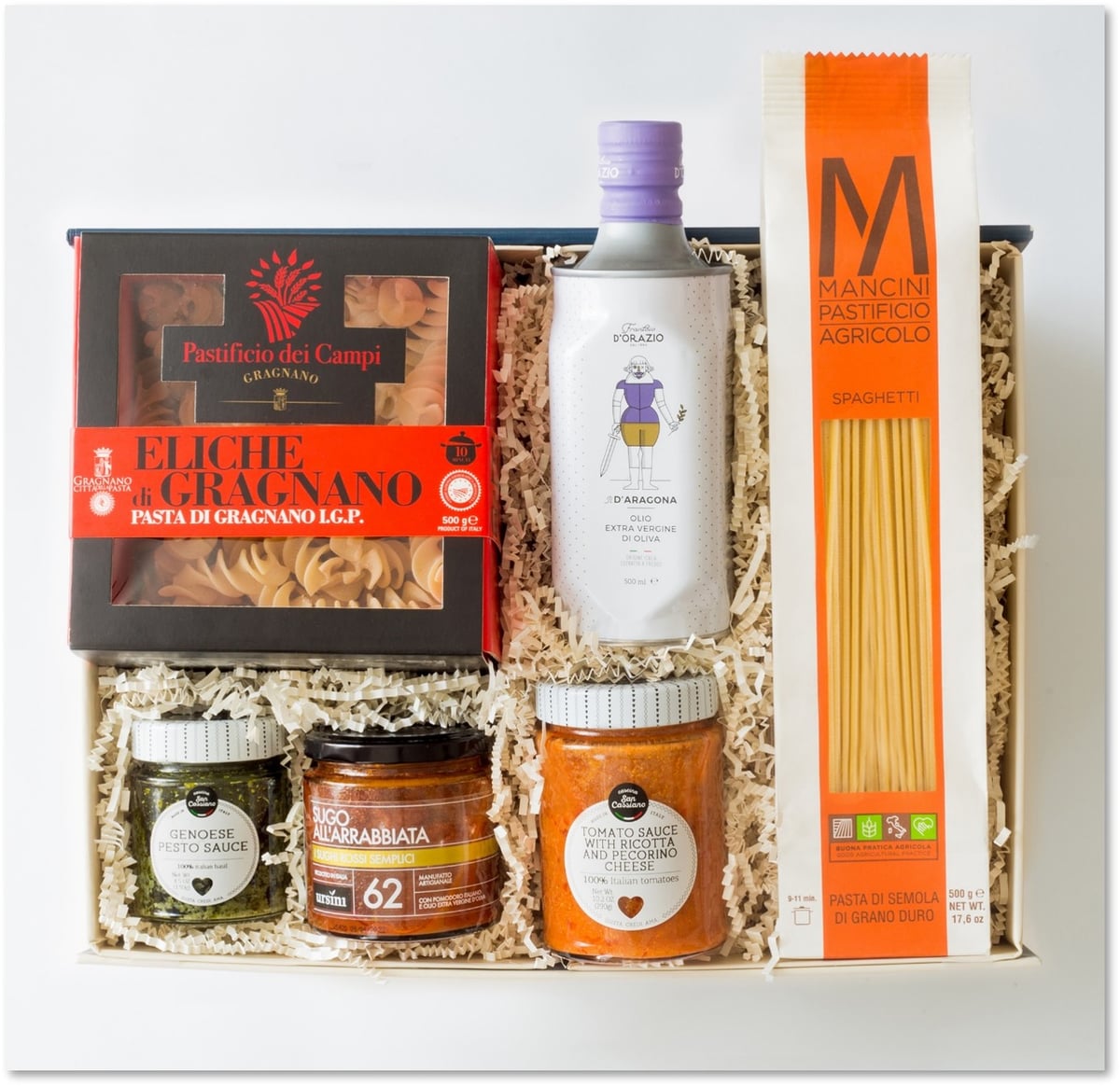
Consider pairing mancini mezze maniche with complementary ingredients that create a complete Italian dining experience. Premium extra virgin olive oil, aged Parmigiano Reggiano, artisanal tomato sauce, and perhaps a bottle of wine from Marche creates a gift that invites the recipient into a full sensory journey.
For those seeking to create meaningful gift experiences, curated collections featuring exceptional pasta alongside other artisanal products demonstrate both generosity and knowledge. The combination of mancini mezze maniche with carefully selected ingredients from different Italian regions showcases the country's diverse culinary landscape.
Occasions That Deserve Exceptional Pasta
-
Weddings and anniversaries celebrating Italian heritage or honeymoons
-
Housewarming gifts for cooking enthusiasts starting new chapters
-
Corporate appreciation that goes beyond generic gift baskets
-
Holiday celebrations bringing authentic Italian traditions to the table
-
Thank you gestures that communicate genuine thoughtfulness
The beauty of gifting artisanal pasta lies in its universality paired with its distinctiveness. Nearly everyone enjoys pasta, yet few have experienced the difference that estate-grown, bronze-die extruded, slow-dried pasta brings to a meal.
Storing and Preserving Quality: Keeping Mancini Mezze Maniche Fresh
Proper storage ensures that the exceptional quality of mancini mezze maniche remains intact until you're ready to cook. Unlike fresh pasta that requires refrigeration, dried artisanal pasta has remarkable shelf life when stored correctly.
Keep unopened packages in a cool, dark pantry away from heat sources and direct sunlight. Temperature fluctuations and humidity are pasta's enemies, potentially affecting texture and inviting pests. A consistent 60-70°F environment with low humidity preserves quality for up to two years.
Once opened, transfer remaining pasta to an airtight container. Glass jars with tight-sealing lids work beautifully and allow you to appreciate the pasta's golden color. Some cooks prefer to keep pasta in its original packaging, simply folding over the top and securing it with a clip.
Signs of Quality Degradation
| Issue |
Cause |
Prevention |
| White spots/dust |
Flour separation |
Store in airtight container |
| Darkening color |
Light exposure |
Keep in dark pantry |
| Off odors |
Moisture/rancidity |
Ensure dry conditions |
| Insect presence |
Improper sealing |
Use sealed containers |
The high-quality wheat and careful production methods make mancini mezze maniche more stable than industrial pasta. The wheat germ, while adding flavor, contains oils that can eventually turn rancid, though this takes considerable time under proper storage conditions.
Comparing Artisanal and Industrial: Understanding the Difference
Walking down a supermarket pasta aisle, you'll find dried pasta at a fraction of mancini mezze maniche's price. Understanding what justifies the difference transforms how you value artisanal production.
Industrial pasta production focuses on efficiency and consistency at massive scale. Manufacturers source wheat globally, blend different varieties to achieve standardized protein levels, and use high-temperature drying (over 180°F) to reduce production time from days to hours.
Pastificio dei Campi's production notes reveal how even other quality producers in Gragnano differentiate themselves from industrial methods, though Mancini's single-estate model takes artisanal production even further.
Production Method Comparison
Industrial Pasta:
- Multi-source wheat from various countries and years
- Teflon-die extrusion (smooth surface)
- High-temperature rapid drying (2-4 hours)
- Standardized protein content around 12%
Mancini Mezze Maniche:
- Single-estate wheat from one location
- Bronze-die extrusion (rough, porous surface)
- Low-temperature slow drying (24-30 hours)
- Natural protein content (14-15%)
The result isn't just theoretical. In the pot, mancini mezze maniche releases more starch, creating better sauce adhesion. On the palate, it offers complexity and flavor that stands delicious even with minimal seasoning. The texture maintains integrity longer, giving you a wider window of perfect al dente.
For those building curated Italian gift collections, these distinctions matter. The difference between good and exceptional becomes the difference between a pleasant gift and a memorable experience.
Regional Recipe Inspirations: How Italy Serves Mezze Maniche
Throughout Italy, regional traditions shape how cooks approach this versatile pasta shape. In Rome, the emphasis falls on simple preparations where quality ingredients shine. In southern regions, bolder flavors and longer-cooked sauces complement the pasta's robust structure.
Mezze maniche alla Norma brings Sicilian tradition to the table with fried eggplant, tomato sauce, ricotta salata, and basil. The pasta's opening catches chunks of tender eggplant, while ridges hold the savory tomato sauce enriched with the vegetable's cooking oil.
Northern Italian preparations might feature cream-based sauces with mushrooms, pancetta, and Parmigiano Reggiano. The cooler climate's traditional flavors pair beautifully with mancini mezze maniche's nutty wheat character.
Modern Interpretations
Contemporary Italian chefs are reimagining traditional pairings with creative twists. Seafood versions feature mussels, clams, and cherry tomatoes with white wine and parsley. The pasta's shape captures shellfish pieces and pools of savory broth, creating oceanic bursts in each bite.
Vegetarian preparations celebrate seasonal produce with roasted vegetables, herbs, and perhaps a touch of cream or quality olive oil. The pasta becomes a canvas for whatever the market offers, its neutral elegance allowing ingredients to express themselves fully.
The Role of Texture: Why Bronze Dies Matter
The difference between Teflon and bronze extrusion might seem technical, but it fundamentally changes eating experience. When pasta dough is forced through shaped dies to create different forms, the die material determines surface characteristics.
Teflon creates smooth, shiny pasta that slides easily through the machine. Bronze creates friction, giving pasta a rough, almost matte appearance. This texture difference is visible but even more noticeable when sauce meets pasta.
Smooth pasta allows sauce to slide off. You've experienced this if you've ever had sauce pool at the bottom of your bowl while pasta sits relatively naked on your fork. Rough pasta grabs sauce, holding it through the journey from bowl to mouth.
The bronze dies used for mancini mezze maniche create microscopic ridges across the entire surface. Combined with the larger decorative rigature, this creates maximum sauce adhesion. It's the difference between pasta with sauce and pasta married to sauce.
The Drying Process Partnership
Bronze extrusion pairs with slow drying to create exceptional texture. The rough surface created by bronze dies needs gentle drying to maintain its porous quality. High-heat industrial drying essentially seals the pasta's surface, reducing the texture advantage of bronze dies.
Mancini's 24-30 hour drying process at low temperatures preserves the open, porous surface while removing moisture gradually. This patience creates pasta that rehydrates beautifully during cooking, developing tender interior texture while maintaining structure.
Nutritional Considerations: What's Inside Mancini Mezze Maniche
Beyond flavor and texture, the nutritional profile of mancini mezze maniche reflects its quality production. The pasta contains only durum wheat semolina and water, with no eggs, additives, or preservatives.
The higher protein content (14-15% compared to typical 12%) comes from wheat variety and growing conditions, not additives. This extra protein creates more gluten structure, contributing to better cooking performance and increased satiety.
Because Mancini includes wheat germ in their milling, the pasta retains more nutrients than refined alternatives. Wheat germ contains B vitamins, vitamin E, healthy fats, and minerals that are typically removed during industrial milling to extend shelf life.
Nutritional Highlights Per 100g Serving
- Calories: Approximately 350-370
- Protein: 14-15g
- Carbohydrates: 70-72g
- Fiber: 3-4g
- Fat: 1.5-2g (from wheat germ)
The complex carbohydrates in quality pasta digest more slowly than refined alternatives, providing sustained energy without dramatic blood sugar spikes. Paired with protein-rich sauces, vegetables, and healthy fats, pasta becomes part of balanced, satisfying meals.
For those managing portions, the substantial texture of mancini mezze maniche means smaller servings feel more satisfying. The pasta's ability to hold sauce ensures flavor in every bite, reducing the temptation to overload plates.
Building Your Italian Pantry: Essential Companions
Mancini mezze maniche deserves equally excellent supporting ingredients. Building a thoughtfully curated Italian pantry ensures you're always ready to create meals that honor the pasta's quality.
Start with extra virgin olive oil from a specific region. Whether you prefer the grassy, peppery oils of Tuscany or the buttery, mild profiles of Liguria, quality olive oil transforms simple pasta preparations. Look for harvest dates on bottles and use within a year of production for best flavor.
Parmigiano Reggiano aged at least 24 months brings nutty complexity that complements the pasta's wheat character. Buy wedges rather than pre-grated cheese; freshly grated cheese melts better and tastes dramatically superior.
Pantry Essentials List
-
Extra virgin olive oil (single-estate, harvest-dated)
-
Parmigiano Reggiano (aged 24-36 months)
-
San Marzano tomatoes (D.O.P. certified)
-
Sea salt (coarse for pasta water, fine for finishing)
-
Black pepper (whole peppercorns, freshly ground)
-
Dried herbs (oregano, bay leaves from Italy)
-
Anchovies (salt-packed or quality oil-packed)
-
Capers (salt-packed for best flavor)
These ingredients work across countless preparations, allowing spontaneous meals that showcase authentic Italian flavors without elaborate planning. The key is choosing quality over quantity, building your pantry gradually with products you'll actually use.
Mancini mezze maniche represents everything beautiful about Italian artisanal food production: complete dedication to quality, respect for tradition paired with modern sensibility, and the understanding that great ingredients create memorable experiences. Whether you're cooking for yourself, sharing a meal with loved ones, or creating a thoughtful gift, this exceptional pasta connects you to centuries of Italian culinary wisdom and the ongoing story of a family farm in Marche. Tasty Ribbon curates these kinds of authentic Italian treasures, bringing artisanal excellence from Italy's finest producers directly to your table through carefully composed gift collections that celebrate craftsmanship, flavor, and the joy of sharing extraordinary food.