There's a moment that happens in every Italian kitchen when the water begins to boil, the salt is added with a generous hand, and the pasta slides into the pot with a promise. When that pasta is mancini paccheri, those wide, smooth tubes handcrafted by one of Italy's most respected artisan producers, the moment becomes something more. It becomes a celebration of tradition, craftsmanship, and the pure joy of cooking with ingredients that honor both the land and the hands that shaped them. This isn't just pasta; it's a conversation between generations of wheat farmers, master pasta makers, and everyone lucky enough to gather around the table.
Understanding Mancini Paccheri and Its Artisan Heritage
Paccheri are those magnificent wide tubes of pasta that look like short, cut segments of rigatoni's more sophisticated cousin. Originating from Campania in southern Italy, these pasta cylinders measure roughly an inch in diameter and about two inches in length. The name itself comes from the Neapolitan dialect word "pacca," meaning slap, perhaps referring to the satisfying sound they make when tossed in sauce or the gentle slap of dough during shaping.
What sets mancini paccheri apart from industrial versions lies in the story of Pastificio Mancini itself. This family-run operation in the Marche region grows its own wheat on their estate, controlling every step from seed to package. The Mancini family doesn't just make pasta; they cultivate specific wheat varieties, harvest at optimal times, and mill their grain using traditional stone methods that preserve the wheat germ.
The Mancini Difference in Production
When you hold a package of Mancini paccheri, you're holding pasta made from wheat that never left the family's care. The grain is milled fresh, maintaining all its natural oils, proteins, and that distinctive nutty aroma that disappears in industrial processing. The dough is extruded through bronze dies, creating a rough, porous surface that grabs sauce like a treasured memory.
Key production characteristics include:
- Estate-grown durum wheat semolina
- Stone-milled flour retaining wheat germ
- Bronze die extrusion for textured surface
- Slow drying at low temperatures (36-38 hours)
- No additives or preservatives
The slow drying process deserves special attention. While factory pasta dries in hours at high heat, Mancini takes days at gentle temperatures. This patient approach prevents the proteins from breaking down, resulting in pasta that holds its shape beautifully, maintains a firm bite, and releases starch gradually to create silky, clingy sauces.
Why Mancini Paccheri Elevates Traditional Italian Dishes
The beauty of paccheri lies in their versatility and visual drama. These wide tubes aren't shy about making a statement on the plate. In Campania, cooks stuff them with ricotta and bake them in tomato sauce. Along the coast, they're paired with seafood ragù that pools inside each tube, delivering bursts of ocean flavor with every forkful.
Mancini's version brings additional depth to these preparations. The wheat germ in their flour contributes a subtle sweetness and complexity that complements rather than competes with other ingredients. When you cook mancini paccheri properly, they release just enough starch to bind sauce without turning gummy or heavy.
Traditional Pairing Guidelines
| Sauce Type |
Why It Works |
Regional Origin |
| Seafood ragù |
Wide tubes capture chunky sauces |
Campania/Naples |
| Tomato & basil |
Classic simplicity showcases quality |
Southern Italy |
| Creamy preparations |
Surface texture grips dairy-based sauces |
Modern interpretations |
| Baked pasta dishes |
Tubes hold filling and moisture |
Family-style cooking |
The BBC Good Food guide to pasta shapes emphasizes matching pasta form to sauce consistency. Paccheri's wide opening and substantial structure make them ideal for chunkier preparations where smaller pasta would drown or get lost. They're the confident choice when you want pasta that stands up to bold flavors.
Cooking Mancini Paccheri to Perfection
Cooking any artisan pasta requires attention, but the rewards are immediate. Mancini paccheri needs about 12-14 minutes in heavily salted boiling water, though tasting is always your best guide. The pasta should emerge with a firm center and a slight resistance when bitten, that magical state Italians call "al dente."
Essential cooking steps:
- Bring 4-6 quarts of water to a rolling boil per pound of pasta
- Add salt generously (the water should taste like the sea)
- Add mancini paccheri and stir immediately to prevent sticking
- Test starting at 11 minutes, looking for firm texture
- Reserve one cup of pasta water before draining
- Finish cooking in the sauce for 1-2 minutes
That reserved pasta water is liquid gold. Because mancini paccheri releases quality starches, the cooking water becomes a natural emulsifier that helps sauce cling to the pasta's rough surface. Add it tablespoon by tablespoon while tossing pasta and sauce together over heat, creating that glossy, unified dish that defines proper Italian cooking.
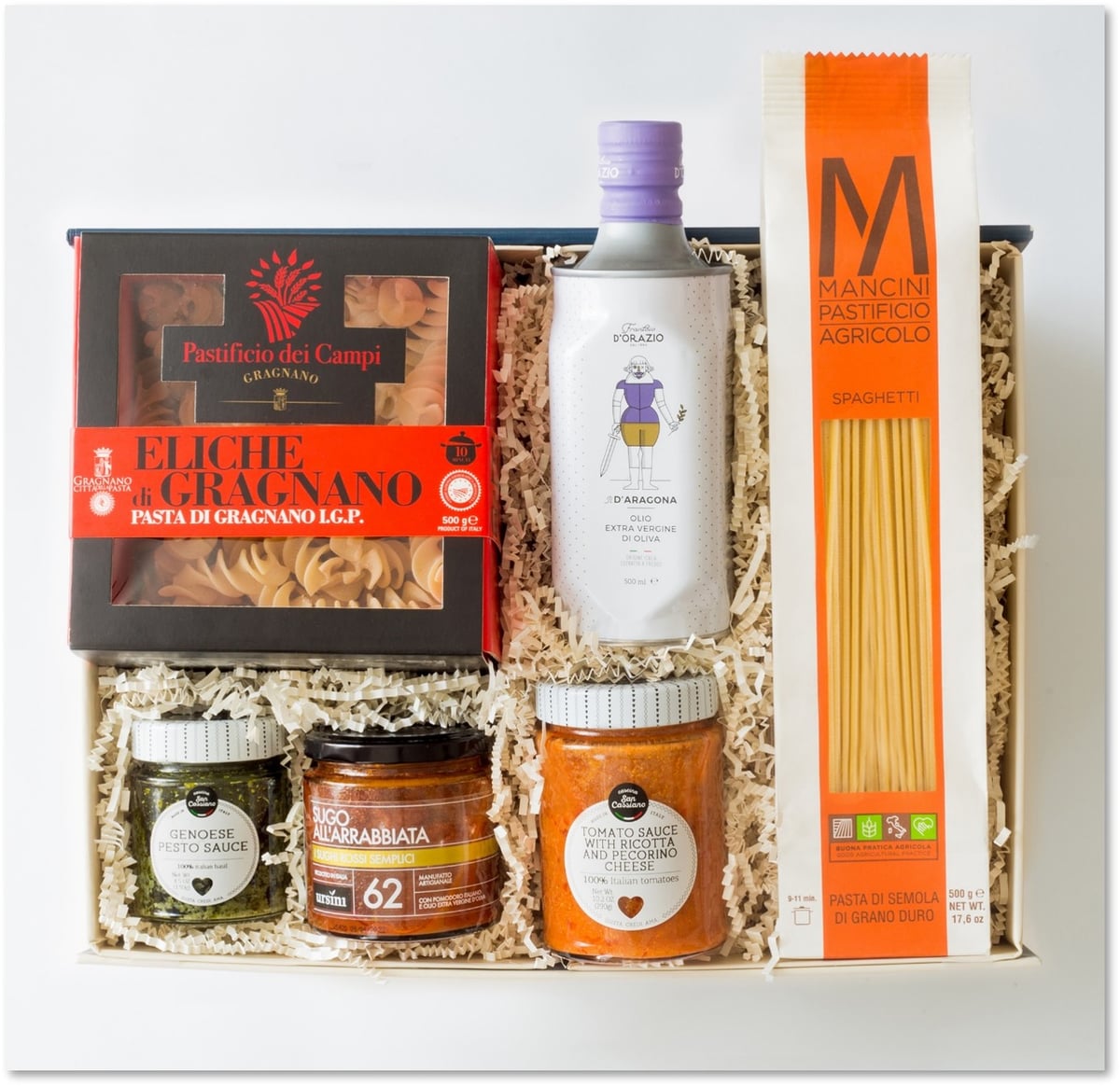
For those building their Italian pantry with premium ingredients, curated selections like the Pasta 1-0-1 box introduce home cooks to the difference artisan pasta makes. These thoughtfully assembled collections pair quality pasta with complementary sauces and oils, taking the guesswork out of creating authentic Italian meals.
Timing and Texture Considerations
The mancini paccheri texture evolves during cooking in ways that mass-produced pasta simply doesn't. In the first few minutes, the exterior softens while the interior remains chalky. Around minute ten, the pasta begins to cook through evenly. By minute twelve, you'll notice the color deepening slightly and the tube becoming more pliable without losing structure.
This graduated cooking process happens because of the dense, protein-rich dough and slow drying method. Industrial pasta, dried quickly at high heat, tends to go from undercooked to overcooked in seconds. Mancini's gentle production gives you a wider window to achieve perfect results.
Seasonal and Regional Recipe Inspirations
Spring calls for mancini paccheri with fresh fava beans, pecorino, and mint, a Roman combination that celebrates the season's first tender vegetables. The wide tubes cradle the beans perfectly, and the pecorino's sharp saltiness plays beautifully against Mancini's sweet wheat notes.
Summer invites the classic Eataly-style paccheri with cherry tomatoes, burrata, and basil. Halve the tomatoes and let them cook down into a quick sauce while the pasta boils. Tear creamy burrata over the top just before serving, allowing it to melt into pockets of richness throughout the dish. This preparation requires pasta that can support substantial toppings without collapsing.
Autumn and Winter Preparations
As temperatures drop, mancini paccheri shines in heartier applications:
-
Baked with sausage and mushroom ragù: Layer cooked paccheri with slow-cooked sauce and besciamella
-
With braised short rib: Let the wide tubes catch every bit of rich, wine-braised meat
-
Seafood cioppino style: Fill tubes with clams, mussels, and white wine broth
-
Alla Genovese: The Neapolitan onion and beef sauce that takes hours but lasts in memory forever
These colder-weather dishes benefit from mancini paccheri's ability to reheat beautifully. The pasta doesn't turn mushy on day two; instead, it continues absorbing flavors, becoming even more delicious. This quality makes it ideal for meal preparation or for those who appreciate leftovers that improve with time.
Nutritional Profile and Quality Considerations
Artisan pasta like mancini paccheri offers more than superior taste. The nutritional composition of durum wheat semolina provides complex carbohydrates, plant-based protein, and essential minerals. A standard 2-ounce dry serving contains approximately 200 calories, 7 grams of protein, and 42 grams of carbohydrates, with minimal fat and no cholesterol.
What distinguishes Mancini nutritionally is the retention of wheat germ, which contains B vitamins, vitamin E, and healthy fats typically removed during industrial milling. This whole-grain approach increases both nutritional value and flavor complexity. The slow drying process also preserves more of the wheat's natural nutrients compared to high-heat industrial methods.
| Nutritional Component |
Per 2 oz Serving |
Benefits |
| Calories |
200 |
Sustained energy |
| Protein |
7g |
Muscle maintenance |
| Fiber |
3g |
Digestive health |
| Iron |
10% DV |
Oxygen transport |
| B Vitamins |
15-20% DV |
Metabolism support |
The ingredient list remains refreshingly simple: durum wheat semolina and water. No eggs, no additives, no preservatives. This purity reflects both traditional pasta-making values and modern desires for transparent, clean ingredients.
Storing and Maximizing Your Mancini Paccheri Investment
Quality artisan pasta deserves proper storage to maintain its exceptional characteristics. Keep unopened packages in a cool, dry pantry away from direct sunlight and strong odors. Once opened, transfer mancini paccheri to an airtight container to prevent moisture absorption and preserve freshness. Properly stored, dried pasta remains at peak quality for up to two years, though the wheat germ in Mancini's formula means optimal flavor lives in the first 12-18 months.
Cooked paccheri can be refrigerated for up to three days when tossed with a light coating of olive oil to prevent sticking. For longer storage, freeze cooked pasta in sauce-sized portions. The substantial structure of mancini paccheri holds up remarkably well to freezing and reheating, unlike thinner pasta shapes that can turn mealy.
Storage best practices:
- Keep in original packaging or airtight container
- Avoid humid environments (no storage near dishwasher or stove)
- Check periodically for pantry moths or moisture
- Use older stock first, rotating new purchases to the back
- Consider smaller packages if you don't cook pasta weekly
For those exploring Italian gourmet gifts, artisan pasta like mancini paccheri represents a meaningful choice that educates recipients about quality differences. Unlike chocolate or wine that get consumed quickly, exceptional pasta invites repeated experiences and skill development.
Incorporating Mancini Paccheri into Gift Giving
The act of giving mancini paccheri transcends handing someone a box of pasta. You're sharing a philosophy about food, an invitation to slow down and appreciate craftsmanship, and the promise of delicious meals that bring people together. This makes it particularly suitable for thoughtful gift occasions.
Consider pairing mancini paccheri with complementary artisan products: a bottle of quality extra virgin olive oil from Puglia, a jar of authentic San Marzano tomatoes, aged Parmigiano Reggiano, and fresh basil seeds for growing at home. These combinations tell a complete culinary story while providing everything needed for an exceptional meal.
Gift-Worthy Presentation Ideas
Curated pasta gift sets remove the guesswork from creating harmonious combinations. Professional curators understand which products complement each other, ensuring recipients experience ingredients as they're meant to be enjoyed. The presentation matters too; beautiful packaging elevates even simple ingredients into something special.
For corporate settings, business gifts featuring artisan Italian products communicate sophistication and cultural appreciation. Mancini paccheri in a corporate gift context suggests you value quality and authenticity, traits that reflect positively on professional relationships.
The Broader Context of Italian Artisan Pasta
Understanding mancini paccheri requires appreciating the larger movement toward artisan pasta production in Italy. For decades, industrial pasta dominated markets with efficiency and consistency. While perfectly serviceable, these products lost the character that made pasta a craft rather than just a commodity.
Small producers like Pastificio Mancini, Divella, and others began reclaiming traditional methods in the 1980s and 1990s. They argued that pasta could be both a daily staple and an artisan product worthy of the same respect given to wine, cheese, or olive oil. This philosophy resonated with consumers seeking authenticity and transparency in their food sources.
The artisan pasta movement parallels broader trends in food culture: farm-to-table dining, heritage grain revival, and appreciation for regional specialties. Mancini exemplifies these values by growing their own wheat, maintaining traditional production methods, and staying family-owned across generations. Their paccheri becomes a tangible connection to these principles.
Comparing Mancini to Other Premium Pasta Producers
Several Italian producers create exceptional paccheri, each with distinct characteristics. Pastatirrena offers technical specifications showing their careful attention to drying times and formulation. Their paccheri tends toward a slightly firmer texture, appealing to those who prefer maximum bite resistance.
Gragnano pasta makers, working in the town famous for centuries of pasta production, create paccheri with Protected Geographical Indication status. These versions emphasize the Campanian connection and often pair beautifully with local seafood preparations. The water used in Gragnano pasta making contributes mineral qualities that some cooks swear enhance flavor.
What distinguishes Mancini:
- Estate-grown wheat from a single source
- Complete control from field to package
- Wheat germ retention for enhanced nutrition
- Family ownership and traditional values
- Consistent availability and quality
No producer can claim absolute superiority; the "best" paccheri depends on personal preference, intended preparation, and the specific characteristics you value most. Mancini's strength lies in their integrated approach and the distinct flavor profile their wheat brings to the table.
Building Skills with Quality Ingredients
Cooking with mancini paccheri develops your palate and technique in ways that ordinary pasta cannot. You learn to recognize proper texture, understand how pasta water functions as an ingredient, and appreciate the interplay between wheat quality and final dish character. These skills transfer to all cooking, making you more confident and intuitive in the kitchen.
The sensory education begins when you open the package. Notice the color: a rich, golden hue rather than pale yellow. Smell the pasta: you should detect wheat's natural sweetness, almost nutty. Feel the surface: rough and slightly powdery from the bronze die. These observations train you to assess ingredient quality across categories.
As you cook more frequently with artisan pasta, you'll notice differences in how quickly sauce emulsifies, how pasta releases starch, and how flavors develop. This knowledge, built through repeated experience with quality ingredients, becomes the foundation of accomplished home cooking. Mancini paccheri serves as an excellent teacher because its quality differences are obvious even to beginners.
Experimentation and Confidence
Quality ingredients grant permission to experiment. When you trust your pasta's foundation, you can try new sauce combinations, adjust cooking times slightly to match personal preference, or improvise based on what's in your refrigerator. The pasta won't let you down; it provides a reliable platform for creativity.
Start with classic preparations to understand how mancini paccheri behaves, then branch into modern interpretations. Try it with unexpected ingredients: roasted butternut squash and brown butter sage, or spicy 'nduja with kale and white beans. The wide tubes accommodate diverse flavors while maintaining their essential character.
Mancini paccheri represents the intersection of tradition, quality, and the simple pleasure of eating well. From the wheat fields of Marche to your dinner table, every step reflects care and respect for ingredients. When you're ready to experience authentic Italian artisan products that tell these kinds of stories, Tasty Ribbon curates exceptional selections that bring the heart of Italy into thoughtful, beautifully presented gifts. Whether you're treating yourself or sharing with others, these connections to Italian food culture create moments worth savoring.