There's a particular kind of magic that happens when wheat grown on a single Italian estate becomes the pasta on your plate. Mancini pasta represents this rare journey from field to fork, a family tradition spanning generations in the rolling hills of Marche. Unlike industrial pasta producers who source grain from multiple suppliers, the Mancini family controls every step, from cultivating their own wheat varieties to carefully milling and extruding pasta using bronze dies. This complete integration creates something genuinely exceptional, a product that carries the terroir of its land in every strand and spiral.
Understanding What Makes Mancini Pasta Exceptional
The story of mancini pasta begins in 1938, when Mariano Mancini established a wheat farm in Monte San Pietrangeli, a small town in Italy's Marche region. Today, fourth-generation pasta makers continue this legacy with an unwavering commitment to quality that sets them apart in an industry often dominated by shortcuts. The family cultivates approximately 350 hectares of wheat exclusively for pasta production, using sustainable farming practices that respect both the land and traditional agricultural wisdom.
What distinguishes this approach is vertical integration at its finest. The Mancini family oversees every phase of production:
-
Estate cultivation of specific wheat varieties selected for superior protein content and gluten quality
-
Controlled harvesting that ensures wheat is gathered at optimal maturity
-
Stone milling that preserves the wheat germ, delivering enhanced nutritional value and flavor
-
Bronze die extrusion creating rough-textured pasta that grips sauce beautifully
-
Slow air-drying at low temperatures for up to 48 hours, protecting nutrients and developing complex flavors
This meticulous process means mancini pasta contains the wheat germ, the nutritious heart of the grain that industrial milling typically removes. The result is pasta with a creamy, almost golden hue, a delicate nutty flavor, and nutritional properties that surpass conventional options.
The Marche Terroir in Every Bite of Mancini Pasta
Marche sits between the Apennine Mountains and the Adriatic Sea, creating microclimates that Italian farmers have celebrated for centuries. This geographical blessing delivers ideal growing conditions for durum wheat, with well-drained soils, moderate rainfall, and abundant sunshine during the critical ripening period. The Mancini estate benefits from these natural advantages while implementing regenerative agricultural practices that enhance soil health year after year.
The wheat varieties chosen by the Mancini family specifically thrive in this terroir. Unlike industrial operations that prioritize yield above all else, this artisan producer selects cultivars based on flavor complexity, protein content, and how they respond to Marche's specific growing conditions. This attention to varietal selection creates pasta with structural integrity that holds its texture during cooking while developing a remarkably creamy starching effect in the cooking water.
| Aspect |
Mancini Pasta |
Industrial Pasta |
| Wheat Source |
Single estate, Marche region |
Multiple suppliers, various origins |
| Milling Method |
Stone milling with wheat germ |
Industrial steel rollers, germ removed |
| Drying Time |
36-48 hours at low temperature |
2-4 hours at high temperature |
| Die Material |
Bronze for rough texture |
Teflon for smooth finish |
| Color |
Creamy golden with speckles |
Uniform pale yellow |
This terroir-driven approach transforms pasta from commodity to craft. When you prepare spaghetti by Pastificio Mancini, you're experiencing the essence of Marche's agricultural heritage in a format that honors centuries of Italian pasta-making wisdom.
The Bronze Die Difference
Bronze dies represent traditional pasta-making at its most fundamental. These metal plates with shaped cutouts extrude pasta dough into various formats, from delicate angel hair to robust rigatoni. Bronze creates a rough, porous surface that modern Teflon dies cannot replicate. This texture is far from cosmetic; it's functional design perfected over generations.
The rough surface of bronze-cut pasta grips sauce in a way that transforms simple dishes into memorable meals. Oil-based sauces cling to the microscopic ridges, cream sauces coat evenly without sliding off, and even simple butter and cheese preparations develop complexity because the pasta actively participates in the dish rather than serving as a neutral base.
Cooking Mancini Pasta: Techniques for Perfection
Mancini pasta deserves cooking techniques that honor its quality. Start with abundant water, at least four quarts per pound of pasta, salted generously until it tastes like the sea. The Mancini family recommends this proportion because their pasta releases beneficial starches during cooking, and sufficient water prevents the cooking liquid from becoming overly thick.
Timing varies by format:
- Delicate shapes like capellini require 5-7 minutes
- Standard formats such as spaghetti need 8-10 minutes
- Thicker cuts including bucatini pasta by Pastificio Mancini demand 10-12 minutes
- Substantial shapes like rigatoni benefit from 12-14 minutes
The key lies in testing frequently. Mancini pasta maintains excellent texture throughout a generous window, so you can taste every minute after the minimum time, seeking that perfect balance between tender and resilient. The Italians call this al dente, literally "to the tooth," meaning pasta that yields to bite without mushiness or raw flour taste.
Reserve at least one cup of pasta cooking water before draining. This starchy liquid becomes your secret weapon for creating cohesive sauces. The wheat germ in mancini pasta contributes additional starches and emulsifiers that help bind oil and water-based ingredients, creating silky sauces that coat each strand uniformly.
Pairing Mancini Pasta with Sauces and Ingredients
The subtle nutty flavor and superior texture of mancini pasta shine brightest with thoughtful pairings. This isn't pasta that needs heavy masking; it's pasta that deserves ingredients of comparable quality. Consider the format when selecting accompaniments, as shape profoundly influences how sauce and pasta unite on the plate.
Long, smooth formats like spaghetti or spaghettoni by Pastificio Mancini pair beautifully with:
-
Olive oil-based preparations featuring garlic, chili, and fresh herbs
-
Light tomato sauces that allow the pasta's flavor to emerge
-
Seafood combinations where delicate proteins complement rather than compete
-
Simple aglio e olio highlighting premium extra virgin olive oil
Tubular and shaped pasta excels with:
-
Chunky vegetable ragùs that nestle inside hollow centers
-
Cream-based sauces that coat ridged exteriors thoroughly
-
Hearty meat sauces that cling to textured surfaces
-
Cheese preparations where every crevice captures creamy goodness
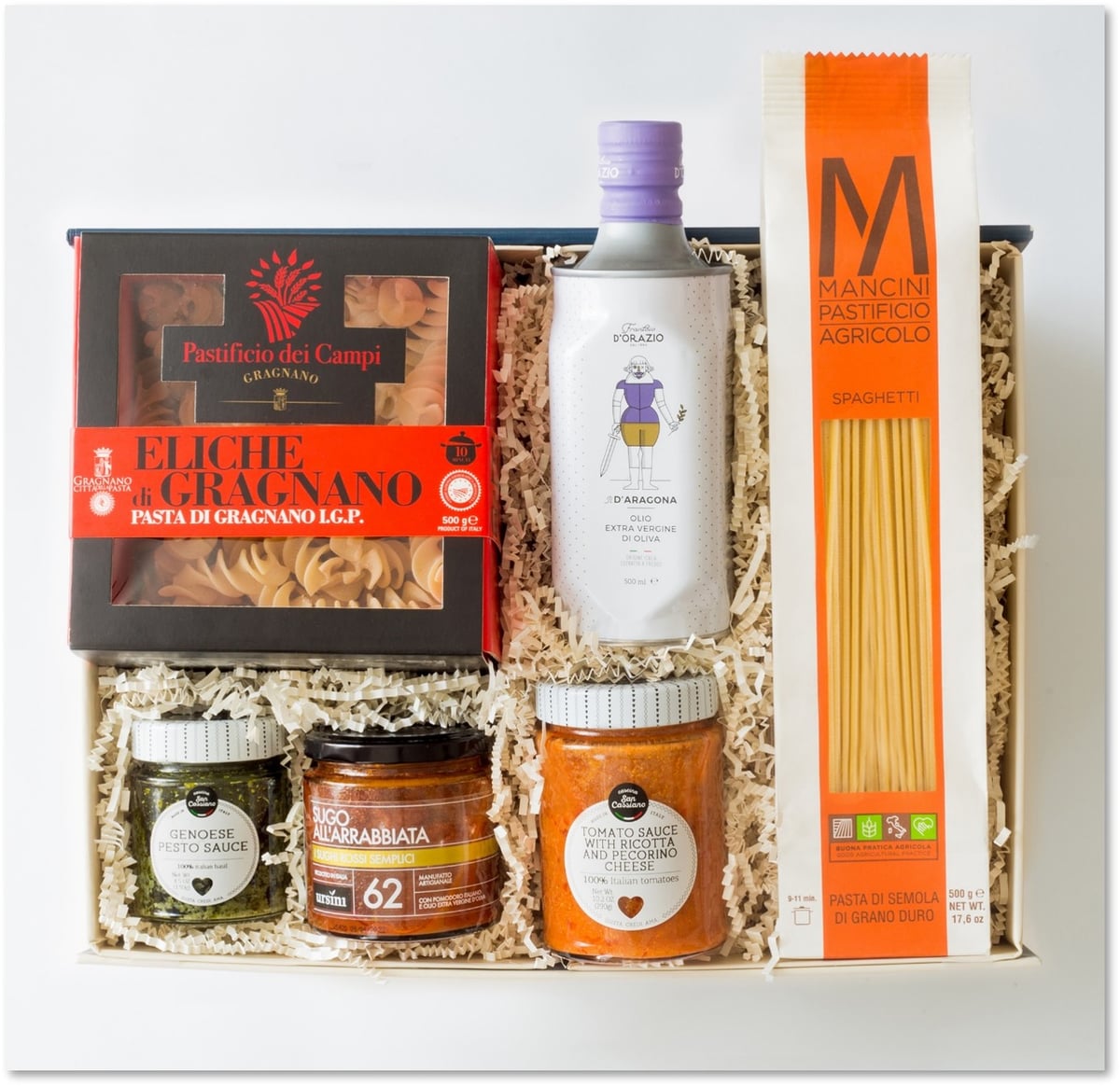
For those exploring Italian pasta traditions, the Pasta 1-0-1 collection offers an excellent starting point. This curated selection features mancini pasta alongside authentic sauces and premium olive oil, providing everything needed to create restaurant-quality dishes at home while discovering how superior ingredients elevate simple preparations into extraordinary experiences.
Regional Italian Preparations Worth Exploring
Mancini pasta adapts beautifully to regional Italian preparations while contributing its distinctive character. From Marche itself, try vincisgrassi, the region's answer to lasagna, featuring layers of egg pasta, rich meat ragù, and béchamel sauce finished with Parmigiano Reggiano. While traditionally made with fresh egg pasta, dried mancini formats create an accessible weeknight version that honors the original's spirit.
Roman classics like cacio e pepe transform when prepared with bronze-cut pasta. The rough texture catches the pecorino and black pepper emulsion, while the starchy cooking water from mancini pasta creates exceptional creaminess without adding cream. This three-ingredient dish becomes a masterclass in technique and quality ingredients working in harmony.
Storing and Preserving Mancini Pasta Quality
Dried mancini pasta stores exceptionally well when protected from moisture, heat, and light. Keep unopened packages in a cool, dry pantry where they'll maintain peak quality for up to two years. The presence of wheat germ means this pasta contains more natural oils than conventional varieties, making proper storage slightly more critical for preventing rancidity over extended periods.
Once opened, transfer pasta to airtight containers, preferably glass or food-grade plastic with secure seals. Label containers with the format and approximate age, as different shapes cook differently and you'll want to remember which is which when multiple varieties share your pantry. Some enthusiasts store particularly special formats in the refrigerator or freezer for extended preservation, though this is generally unnecessary for pasta consumed within several months.
Storage best practices include:
- Keeping pasta in original packaging until needed, as these are designed for optimal preservation
- Avoiding storage near strong-smelling ingredients like coffee or spices, as dried pasta absorbs odors
- Using dark containers or pantry areas, as light exposure can degrade quality over time
- Checking occasionally for pantry pests, though the hard texture of dried pasta makes infestation unlikely
The investment in quality pasta deserves protection that ensures every package delivers the exceptional experience the Mancini family intended.
Mancini Pasta in Italian Gift-Giving Traditions
Italians have long understood that the finest gifts come from the heart of their culinary traditions. Mancini pasta represents this philosophy perfectly, combining everyday accessibility with extraordinary quality that elevates ordinary meals into celebrations. When thoughtfully presented alongside complementary ingredients, this artisan pasta becomes a gift that teaches, delights, and creates opportunities for shared experiences around the table.
Italian gourmet gift traditions emphasize curation over quantity. Rather than overwhelming recipients with numerous mediocre items, the Italian approach selects fewer elements of exceptional quality, each chosen to work harmoniously with the others. This philosophy extends naturally to pasta-centered gifts, where mancini pasta serves as the foundation for carefully composed collections.
Consider assembling gifts around specific occasions or cooking styles. A "Sunday Supper" collection might include long pasta formats, traditional tomato sauce, aged Parmigiano Reggiano, and premium olive oil. A "Quick Weeknight Dinners" version could feature shaped pasta, gourmet evoo and vinegar, jarred artichoke hearts, and quality anchovies for building flavor quickly.
Creating Memorable Pasta-Centered Gift Presentations
Presentation transforms quality ingredients into gift-worthy experiences. Start with packaging that protects while revealing the contents' beauty. Clear cellophane allows pasta's golden color to show through, while rustic baskets or wooden crates evoke Italian market traditions. Include recipe cards featuring preparations that showcase the specific ingredients you've selected, perhaps with notes about why each element earned its place in the collection.
Personal touches elevate gifts from transaction to connection. A handwritten note explaining your relationship with these ingredients, a favorite family recipe, or simply enthusiasm for sharing Italian culinary traditions adds emotional resonance that recipients remember long after consuming the contents. This storytelling element aligns perfectly with how Italians themselves approach food: as narrative, heritage, and love made tangible.
The beauty of mancini pasta in gift-giving lies in its ability to introduce recipients to genuine quality without pretension. This isn't intimidating haute cuisine; it's approachable excellence that anyone can prepare successfully while appreciating the difference that artisan production makes.
The Economics of Artisan Pasta Production
Understanding why mancini pasta commands premium pricing requires examining the economics of artisan versus industrial production. Industrial pasta benefits from economies of scale, processing thousands of tons daily using high-speed equipment and wheat sourced at commodity prices. This efficiency delivers affordable pasta that feeds millions but sacrifices the nuances that distinguish memorable meals from merely adequate ones.
Artisan producers like Mancini operate on entirely different principles. Limited estate-grown wheat means production volumes remain inherently constrained. Bronze dies wear out faster than Teflon alternatives and must be regularly replaced or refurbished by skilled artisans. Slow drying ties up production capacity for days rather than hours, limiting output while increasing energy costs per kilogram produced.
Yet these "inefficiencies" create value that transcends simple cost comparison. The wheat germ retained in mancini pasta delivers superior nutrition, including higher levels of vitamins, minerals, and beneficial fiber. The flavor complexity developed through slow drying cannot be replicated through industrial processes. The texture achieved through bronze extrusion transforms how sauce and pasta interact on the plate and palate.
| Production Factor |
Artisan Impact |
Value Created |
| Estate wheat cultivation |
Higher raw material costs |
Consistent quality, terroir expression |
| Stone milling |
Lower yield per ton |
Nutrient retention, flavor complexity |
| Bronze die extrusion |
Frequent die replacement |
Superior sauce adherence |
| Slow drying |
Extended production time |
Digestibility, flavor development |
When evaluating cost per serving rather than cost per package, artisan pasta's premium shrinks considerably. The superior texture means you need less pasta per person, as it's more satisfying. The intense flavor allows simpler sauce preparations, reducing overall meal cost. The nutritional density delivers greater satiety, potentially reducing portion sizes naturally.
Sustainability and the Mancini Family Philosophy
Modern consumers increasingly consider sustainability when making purchasing decisions, seeking products that respect environmental limits while delivering quality. The Mancini family's integrated approach inherently supports sustainable agriculture through practices that benefit soil health, reduce transportation impacts, and minimize processing waste.
Growing wheat on the same land where it becomes pasta eliminates the carbon footprint associated with transporting grain across continents. The family's commitment to soil health through crop rotation, minimal chemical inputs, and careful water management ensures their land remains productive for future generations. This long-term thinking reflects Italian agricultural wisdom accumulated over millennia in a landscape where sustainability wasn't a marketing term but survival necessity.
The wheat germ typically removed during industrial milling represents significant waste. By retaining this nutritious component, mancini pasta transforms potential waste into value, creating more complete nutrition while reducing the byproducts requiring disposal or alternative uses. Even the pasta water, rich with wheat germ starches, contributes more effectively to sauce creation than conventional pasta water, meaning home cooks waste less while achieving better results.
Slow drying at low temperatures requires more time but less energy intensity than high-heat industrial processes. Modern equipment allows the Mancini family to optimize energy use through heat recovery and efficient air circulation, further reducing environmental impact per kilogram produced. These considerations matter increasingly to consumers seeking products aligned with their values around environmental stewardship.
Exploring the Complete Mancini Pasta Range
While spaghetti remains Italy's most iconic pasta format, the Mancini family produces an extensive range designed for specific culinary applications. Each shape reflects generations of Italian cooking wisdom about how pasta format influences final dish success. Understanding these differences helps home cooks select optimal formats for their intended preparations.
Long pasta formats include spaghetti, spaghettoni (thicker spaghetti), linguine, and bucatini (hollow spaghetti). These excel with oil-based sauces, light tomato preparations, and seafood combinations where sauce and pasta intertwine on the fork. The hollow center of bucatini adds textural interest while creating channels for sauce to penetrate, intensifying flavor in every bite.
Short pasta shapes encompass penne, rigatoni, fusilli, and various specialty formats. Tubes and spirals trap chunky sauces, hold ingredients within their forms, and provide textural contrast between smooth interiors and ridged exteriors. These formats work beautifully in baked preparations, substantial ragùs, and cream-based sauces where complete coating matters.
Specialty formats reflect regional Italian traditions or specific culinary applications. Egg fettuccine pasta brings richness to cream sauces and butter preparations. Smaller shapes suit soups and broths, while larger formats anchor hearty winter meals featuring beans, vegetables, and robust flavors.
Exploring this range encourages creativity while deepening appreciation for how pasta format influences culinary outcomes. Each shape represents problem-solving through design, centuries of cooks discovering which forms best serve specific ingredients and preparations.
The Future of Artisan Pasta in Global Markets
As consumers worldwide develop more sophisticated palates and greater appreciation for artisan food production, products like mancini pasta find expanding audiences beyond Italy's borders. This globalization presents both opportunities and challenges for small-scale producers committed to maintaining quality while meeting increased demand.
The Mancini family has approached international growth carefully, expanding distribution without compromising the principles that make their pasta exceptional. They've resisted pressure to increase production volume beyond what their estate wheat can support, preferring to maintain quality over quantity. This discipline ensures that mancini pasta purchased anywhere in the world delivers the same experience as pasta bought in Marche.
Digital commerce has democratized access to artisan Italian products previously available only through specialty importers or during Italian travels. Curated gift collections introduce mancini pasta alongside complementary ingredients, creating complete culinary experiences that educate while delighting. This approach builds appreciation for quality while supporting artisan producers who might otherwise struggle to reach global audiences.
The future of artisan pasta likely involves increased transparency around production methods, sourcing, and sustainability practices. Consumers want stories behind their food, connections to the people and places that created what they consume. The Mancini family's complete vertical integration positions them perfectly for this trend, as they can trace every package directly to specific fields, harvests, and production batches.
Discovering exceptional artisan pasta like Mancini transforms ordinary meals into celebrations of Italian culinary heritage, bringing generations of agricultural wisdom and craft to your table with every perfectly cooked strand. Whether you're seeking to elevate your own cooking or share the gift of authentic Italian quality with someone special, Tasty Ribbon curates collections featuring mancini pasta alongside complementary artisan ingredients, creating complete experiences that honor Italy's finest food traditions with impeccable presentation and genuine authenticity.